
Why Schools Notice Student Problems Only After They Become Visible Not When They Begin
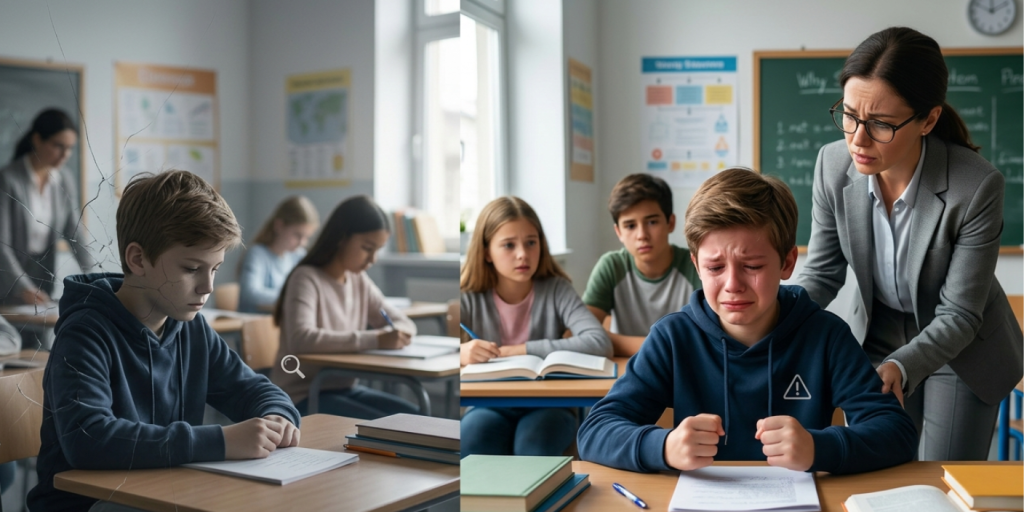
In many Indian schools a common pattern quietly repeats itself. A student struggles for weeks or even months but the issue is only noticed when it becomes serious. Parents are often surprised when teachers suddenly report behavioural changes or academic decline. Teachers on the other hand feel they are responding as soon as they can. This gap raises an important question why schools notice student problems only after they become visible not when they begin.
This article explores the deeper reasons behind this pattern and what parents principals teachers and career counsellors can do to identify student challenges early. Understanding this can help build a more supportive environment for students in Classes Eight to Ten who are at a crucial stage of emotional and academic growth.
The Early Signs Are Often Silent
Student problems rarely start as big visible issues. They begin quietly. A student may lose interest in a subject stop asking questions or feel unsure about their abilities. These early signals are subtle and easy to miss in a busy classroom.
Teachers usually manage large class sizes and tight schedules. This makes it difficult to observe small behavioural shifts in every student. As a result early warning signs remain hidden until they grow into noticeable problems like poor marks or disruptive behaviour.
- Reduced participation in class discussions
- Frequent distraction or daydreaming
- Avoidance of specific subjects
- Changes in peer interaction
These signs may seem minor but they often signal deeper concerns.
Why Schools React Instead of Anticipating
Most school systems are designed to respond to visible outcomes rather than prevent problems early. This is not because educators do not care. It is because the system focuses heavily on results.
Assessments exams and reports highlight performance gaps only after they appear. By the time a student scores low marks or shows behavioural issues the problem has already developed.
Research from organizations like UNICEF Education shows that early intervention improves student wellbeing and academic outcomes. However many schools lack structured systems to track emotional and behavioural patterns before they impact results.
The Pressure of Academic Performance
In India academic performance often becomes the main indicator of success. Parents and schools both focus on marks and rankings. While this is important it also creates a reactive environment.
When marks become the primary signal teachers naturally pay more attention to students who are already struggling visibly. Students who are silently losing confidence may not receive attention until their marks drop.
This creates a cycle where problems are noticed late instead of being prevented early.
Emotional Changes Are Harder to Measure
Unlike test scores emotional struggles do not have clear numbers. A student feeling anxious confused or disconnected may not express it openly. Teachers may sense something but without clear indicators it becomes difficult to act.
For students in Classes Eight to Ten this phase includes identity building peer pressure and career uncertainty. These internal struggles often remain invisible.
This is why understanding behaviour as a signal becomes important. You can explore deeper insights in this detailed resource on student behaviour.
Large Classrooms Limit Individual Attention
Many Indian schools operate with large student teacher ratios. This limits the ability to observe each student closely. Teachers must focus on completing the syllabus managing discipline and preparing students for exams.
With limited time it becomes difficult to track individual emotional patterns or subtle learning difficulties. As a result only visible issues receive immediate attention.
Lack of Structured Observation Systems
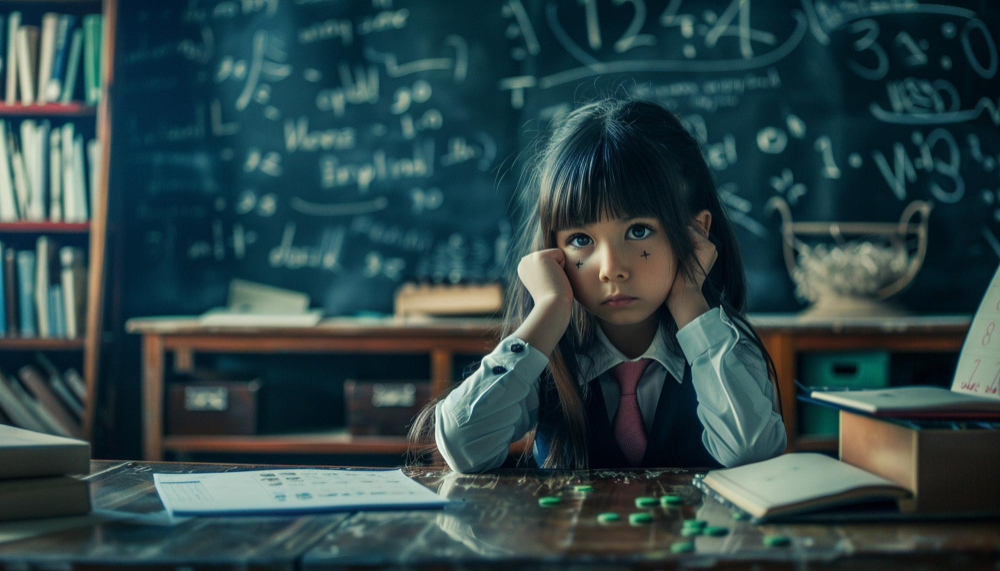
Schools often rely on informal observation rather than structured tracking. Teachers notice problems based on experience but there may not be a consistent system to record and analyze early signals.
Modern tools can help bridge this gap. Platforms like student assessment tools and AI driven insights can identify patterns before they become serious issues. These tools support teachers by providing data based signals instead of relying only on observation.
Communication Gaps Between Parents and Schools
Parents often notice changes at home before schools do. A child may become quiet irritable or less interested in studies. However this information is not always communicated to teachers early.
Similarly teachers may observe minor concerns but may not report them immediately assuming they are temporary. This delay in communication allows problems to grow.
Strong collaboration between parents and schools can help detect issues earlier.
Career Confusion Starts Early But Stays Hidden
Students in middle school often begin thinking about their future but may not express their doubts. Lack of clarity about career paths can reduce motivation and interest in studies.
Without guidance students may feel disconnected from subjects they do not understand the purpose of. This appears later as poor performance or lack of focus.
Access to resources like career exploration lists and guidance from career experts can help students find direction early and stay engaged.
How Schools Can Identify Problems Earlier
Shifting from a reactive to a proactive approach requires simple but consistent changes.
- Introduce regular emotional check ins with students
- Use data tools to track learning patterns
- Encourage open communication between teachers and parents
- Train teachers to identify early behavioural signals
Support systems like AI based student support can also provide students a safe space to express concerns early.
What Parents Can Do at Home
Parents play a key role in early detection. Small daily observations can make a big difference.
- Ask open ended questions about school experiences
- Observe changes in study habits and mood
- Encourage children to share without fear
- Stay connected with teachers regularly
When parents act early problems can be addressed before they grow.
Creating a Supportive Learning Environment
Students perform best when they feel understood and supported. Schools that focus on emotional wellbeing along with academics create stronger outcomes.
This requires a shift from only measuring results to understanding student journeys. Early support builds confidence reduces stress and improves long term success.
The Way Forward for Indian Education
Recognizing student problems early is not about adding more pressure on teachers or parents. It is about building systems that support observation communication and timely action.
When schools parents and counsellors work together they can identify challenges before they become visible. This not only improves academic performance but also supports emotional growth.
Students in Classes Eight to Ten deserve guidance that helps them grow with confidence clarity and purpose. Early attention can change their entire learning experience.
Have you noticed early signs of struggle in your child or students Share your thoughts and experiences with your school community and explore more insights to support every student before challenges become visible.