
Why Teachers Miss Early Warning Signals And How to Fix It
Every parent and teacher wants to catch problems early before they turn into bigger challenges. Yet in many schools across India warning signs of student struggle are often missed until marks begin to fall. By that time stress has already built up and confidence may be damaged. This research based article explains why teachers miss early warning signals and what practical steps schools parents and career counsellors can take to fix this gap.
What Are Early Warning Signals in Students
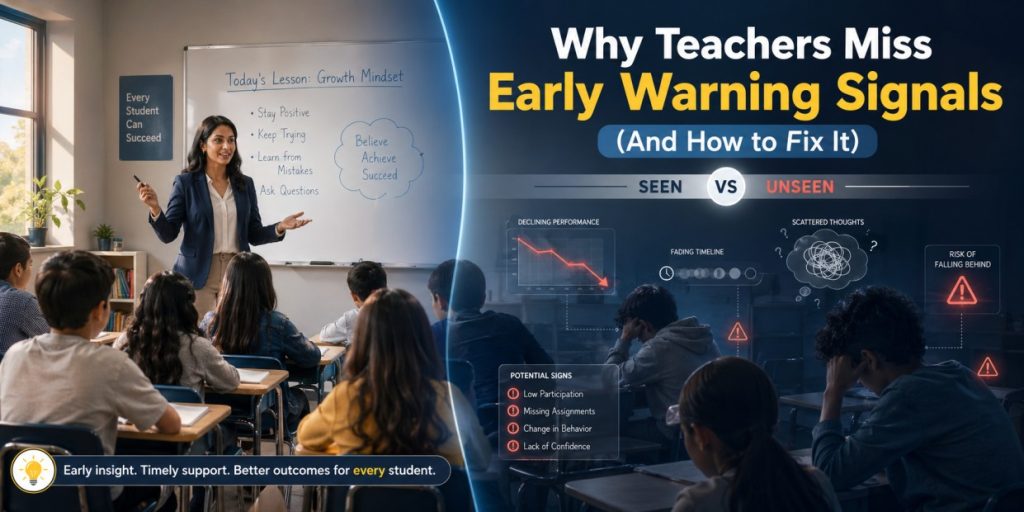
Early warning signals are small changes in behaviour learning patterns or emotional responses that show a student may be struggling. These signals appear long before exam results drop. They are subtle and easy to ignore in busy classrooms.
- Sudden loss of interest in class participation
- Incomplete homework or careless mistakes
- Frequent distraction or daydreaming
- Low confidence even in known topics
- Avoiding questions or interactions
For students in Classes Eight to Ten these signals are especially important because this stage shapes future academic direction and career awareness.
Why Teachers Often Miss These Signals
It is easy to assume that missing early warning signals means teachers are not paying attention. In reality the issue is much deeper. It is linked to workload classroom structure and lack of support systems.
Large Class Sizes and Limited Time
In many Indian schools one teacher manages more than thirty or forty students at a time. Tracking individual behaviour becomes difficult. Teachers focus on completing syllabus and preparing students for exams.
Focus on Marks Instead of Patterns
Most systems still track performance through test scores. But warning signals appear before marks drop. When schools depend only on marks they miss the early stage of struggle.
You can explore deeper insights on how this timeline works in this detailed explanation of student failure patterns.
Emotional and Mental Overload
Teachers handle teaching discipline communication with parents and administrative work. This constant pressure reduces their ability to observe subtle behavioural changes.
Lack of Data Driven Tools
Without structured tools teachers rely on memory and observation. This increases the chance of missing patterns especially when multiple students need attention.
How Missing Early Signals Impacts Students
When early warning signals are ignored small gaps become bigger problems. Students may start feeling confused or left behind. Over time this affects their motivation and self belief.
- Learning gaps increase without support
- Fear of failure grows
- Interest in studies reduces
- Career clarity becomes weaker
Parents often notice these changes at home but may not connect them to academic patterns. This creates frustration on both sides.
Real Life Situation Many Indian Families Face
A student in Class Nine starts avoiding math homework. Parents think the child is becoming careless. The teacher notices incomplete work but assumes the student will improve before exams. Months later marks drop suddenly. By then the student has already lost confidence.
This situation is common because the early signal was not tracked or addressed.
How to Fix the Gap and Catch Signals Early
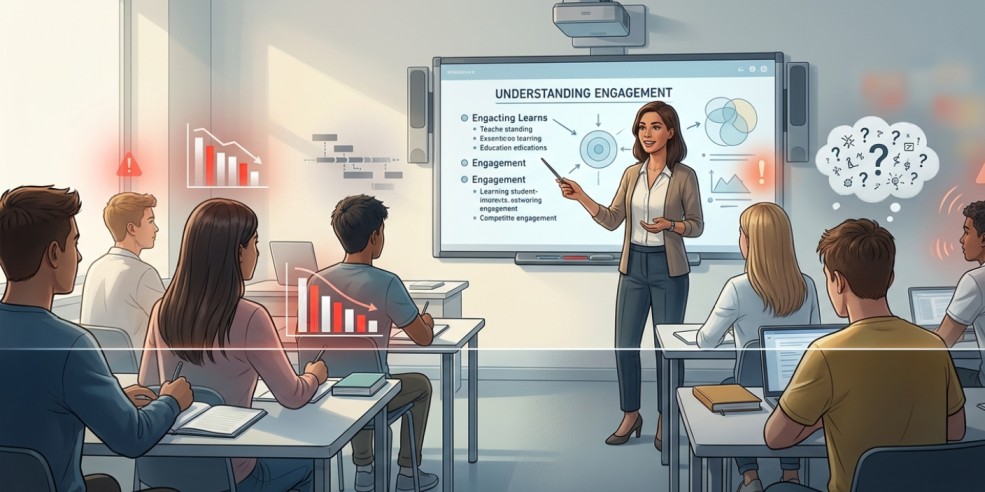
The good news is that schools and families can fix this issue with the right approach. It does not require major changes but a shift in how we observe and respond to student behaviour.
Move from Marks to Continuous Observation
Instead of waiting for exams schools can track small patterns weekly. This helps teachers identify changes early.
Using tools like student assessment platforms allows structured tracking of skills and behaviour beyond marks.
Use AI Based Insights for Pattern Recognition
Technology can support teachers by analysing data and highlighting risk patterns. Platforms such as AI driven insights help detect early signs that may not be visible in daily observation.
Encourage Open Communication
Students should feel comfortable sharing confusion without fear. Teachers and parents can create safe spaces for discussion.
- Ask open questions instead of only checking marks
- Listen without immediate judgement
- Focus on effort and improvement
Provide Support Through Career Guidance
Sometimes lack of motivation comes from unclear goals. When students understand future options they become more engaged.
Access to career experts and exploration tools like career options library can give students direction and purpose.
Reduce Teacher Workload Where Possible
Schools can support teachers by simplifying administrative tasks. Digital tools like education chat support can handle repetitive queries and free time for observation.
What Parents Can Do at Home
Parents are the first to notice behaviour changes. Simple actions can help identify early warning signals.
- Observe study habits not just results
- Notice emotional changes during study time
- Encourage regular conversations about school
- Work with teachers instead of blaming
When parents and teachers work together early intervention becomes easier and more effective.
Global Insights on Early Detection
International research supports early identification systems in education. Organizations such as UNICEF Education Programs highlight the importance of tracking student wellbeing and engagement along with academic performance.
These approaches show that when schools focus on early signals student outcomes improve significantly.
Building a System That Supports Every Student
Catching early warning signals is not about working harder but working smarter. It requires systems that support observation communication and action.
- Track behaviour and learning patterns regularly
- Use technology to support decision making
- Encourage open communication in classrooms
- Align academic goals with career awareness
When these steps are combined teachers can respond early and students feel supported instead of pressured.
A Better Future for Students and Educators
Missing early warning signals is not a failure of teachers. It is a gap in the system. By improving how schools track and respond to student behaviour we can create a more supportive learning environment.
For Indian parents this means less stress about sudden drops in marks. For teachers it means more clarity and confidence. For students it means a smoother journey toward their goals.
Have you noticed early warning signs in students that were missed earlier Share your thoughts with your school community and explore more ways to build a supportive learning environment for every child.