
How Schools Can Detect Problems Before Parents Complain
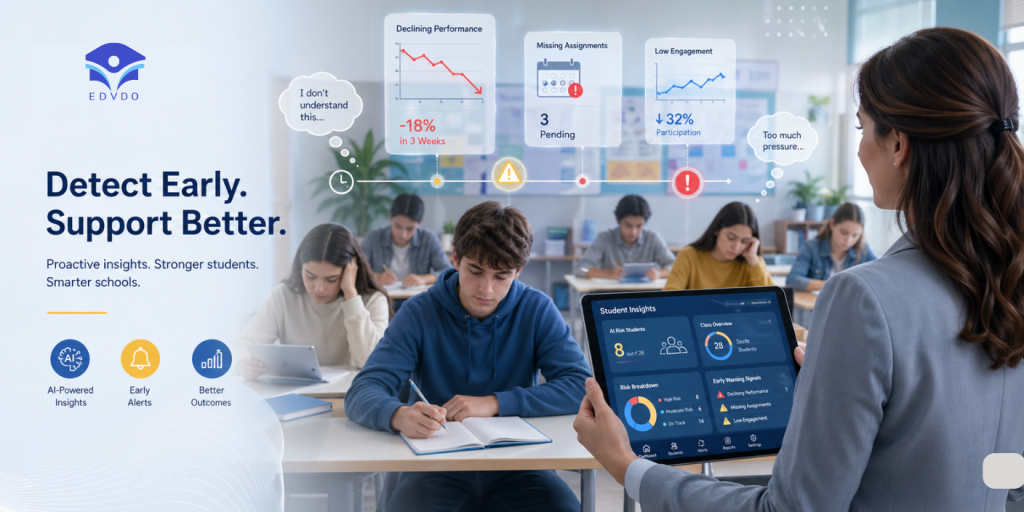
In many Indian schools issues are often noticed only after parents raise concerns. By that time the problem has already affected student confidence learning outcomes and sometimes even relationships between teachers and families. But what if schools could identify these problems earlier before they turn into complaints
This article explains how schools can shift from reactive responses to proactive systems. It focuses on simple practical strategies that help teachers principals and counsellors detect early warning signs in students especially in Classes Eight to Ten where academic pressure and emotional changes increase rapidly.
Why Problems Go Unnoticed in Schools
Most school systems are designed to focus on visible outcomes like marks attendance and discipline. However many student struggles are invisible in the beginning. A student may appear quiet or average but internally they may be confused stressed or losing interest.
Teachers already manage multiple responsibilities so subtle signals are often missed. Parents on the other hand notice emotional changes at home and raise concerns when the issue becomes serious. This creates a gap between what schools see and what parents feel.
Understanding this gap is the first step toward building a system that detects problems early.
The Real Cost of Late Detection
When schools detect issues late the impact goes beyond marks. Students may lose confidence develop fear of failure or disconnect from learning completely. Parents may feel unheard and start questioning the school system.
For students in Classes Eight to Ten this stage is critical because they are forming academic habits and thinking about future careers. A delay in support can lead to long term confusion.
Insights from organizations like UNICEF education programs highlight that early intervention improves both academic performance and emotional wellbeing in adolescents.
What Early Warning Signs Look Like
Problems rarely start suddenly. They develop slowly through small signals. Schools that train teachers to observe these patterns can detect issues before they grow.
- Drop in class participation without clear reason
- Incomplete homework despite understanding concepts
- Sudden change in peer interaction
- Avoiding certain subjects or activities
- Frequent small mistakes in previously strong areas
These signs may seem minor but together they indicate deeper challenges.
Building a System That Detects Problems Early
Detecting problems early is not about working harder. It is about designing smarter systems. Schools need structured ways to capture and interpret student behaviour.
Regular Student Check Ins
Simple weekly or monthly check ins can reveal student concerns. These can be short conversations or quick reflections where students share how they feel about subjects and workload.
Data Beyond Marks
Schools often rely only on test scores. But patterns in attendance participation and assignment completion provide deeper insights. When combined these signals give a clearer picture of student engagement.
Teacher Collaboration
Different teachers observe different sides of a student. Regular discussions among teachers help connect these observations and identify patterns early.
Using Technology to Detect Hidden Issues
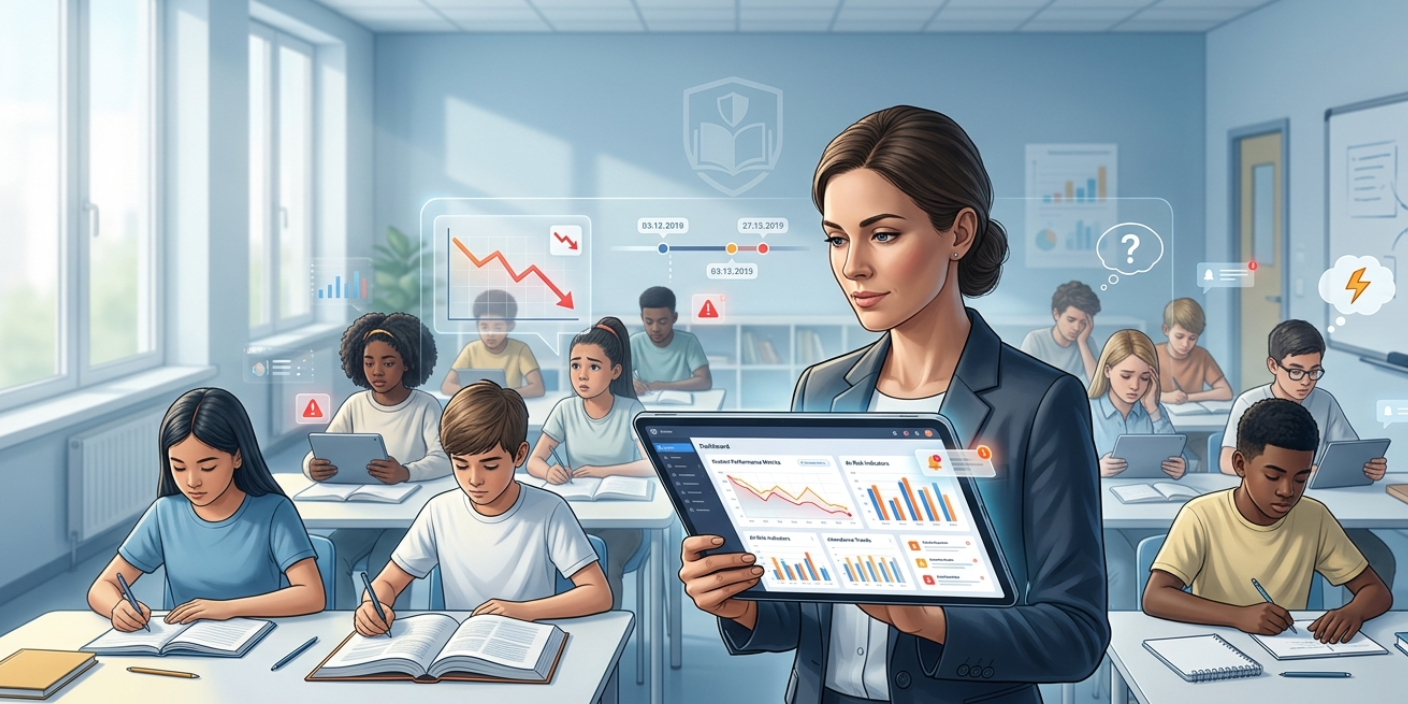
Technology can reduce the burden on teachers while improving accuracy. Smart tools can track student performance and highlight unusual patterns that may not be visible in daily teaching.
For example student assessment platforms can analyze performance trends across subjects. AI based insights can identify early drops in engagement or sudden changes in learning patterns.
Support tools like AI chat support allow students to ask questions freely which helps schools understand areas of confusion without waiting for exams.
These tools do not replace teachers. They support teachers by reducing guesswork.
Understanding the Gap Between Effort and Outcome
Sometimes students try hard but still struggle. This creates frustration for both teachers and parents. Understanding this gap is important for early detection.
A detailed explanation of this challenge can be explored in this article on student performance and intent. It shows how effort does not always translate into results and why schools must look deeper.
When schools identify this mismatch early they can guide students before frustration turns into disengagement.
Role of Career Counsellors in Early Detection
Career counsellors are not only for final decisions. They play a key role in identifying student interests strengths and confusion early.
Regular interaction with career experts helps students express concerns they may not share in class. This creates an additional support layer within the school.
Exploring career paths through structured platforms like career option libraries also helps students stay motivated and connected to learning.
How Parents and Schools Can Work Together
Early detection becomes stronger when parents and schools communicate openly. Instead of waiting for problems both sides can share observations regularly.
- Parents can share changes noticed at home
- Teachers can update learning patterns
- Counsellors can guide emotional wellbeing
This partnership builds trust and prevents misunderstandings.
Real Life Example from Indian Schools
In many Indian schools students who were once active become silent in Class Nine due to academic pressure. Teachers may assume they are adjusting but parents notice stress at home.
If the school had regular check ins and performance tracking the change would be detected early. A simple conversation or support plan could prevent decline in confidence.
This shows how early detection protects both learning and emotional health.
Creating a Culture of Awareness Not Blame
Schools must shift from blame to awareness. Detecting problems early is not about finding faults. It is about understanding students better.
When teachers feel supported they observe more carefully. When students feel safe they express more honestly. This creates a positive learning environment.
The Future of Proactive Education
Education is moving from reactive systems to proactive support. Schools that adopt early detection methods will build stronger relationships with students and parents.
This approach not only improves marks but also builds confidence clarity and long term success for students.
What steps is your school taking to detect student challenges early Share your thoughts and experiences and explore more insights to create a better learning environment for every student.