Why Students Learn Better Outside Classrooms Cognitive and Environmental Insights for Schools
For decades learning has been closely tied to classrooms desks blackboards and textbooks. Yet educators parents and researchers are now observing a powerful shift. Students especially in Classes Eight to Ten often learn better outside traditional classrooms. Whether it is school courtyards libraries community spaces or experiential zones learning becomes deeper more engaging and more meaningful.
This blog explores the cognitive and environmental reasons behind this shift and what it means for schools parents and career counselors in India. Drawing insights from psychology neuroscience and real world school practices in Pune we uncover why stepping outside four walls often unlocks better focus curiosity and clarity.
The Brain Learns Through Experience Not Just Instruction
Modern cognitive science confirms one important truth. The human brain is wired to learn through experience movement and interaction. When students sit still for long hours cognitive fatigue sets in. Attention drops memory retention reduces and learning becomes mechanical.
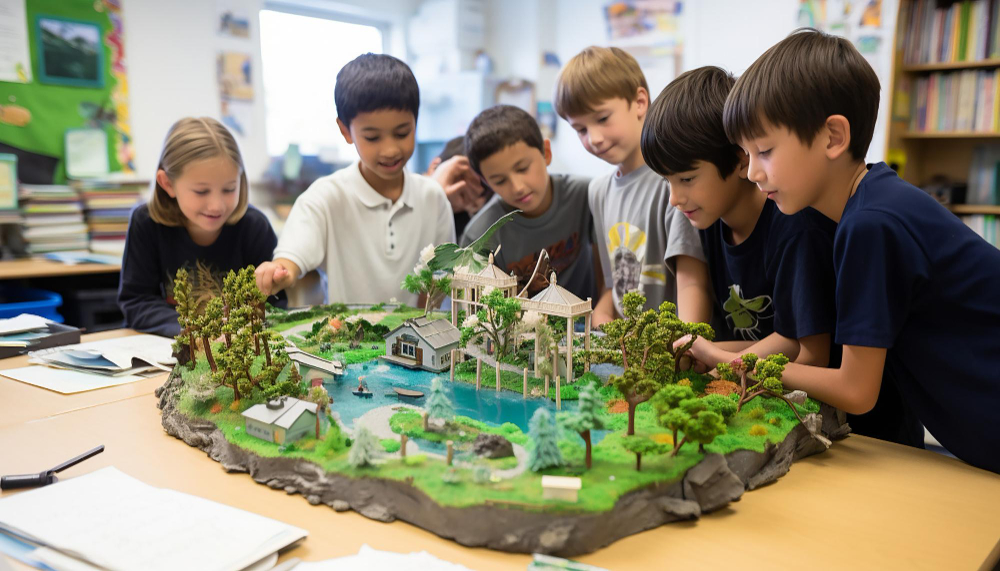
Outdoor and alternative learning environments activate multiple regions of the brain at once. This improves understanding and long term recall. According to insights shared by Edutopia experiential learning environments significantly improve student engagement and comprehension.
- Movement increases oxygen flow to the brain improving alertness
- Multi sensory environments help students grasp abstract concepts faster
- Real world context makes learning more relevant and meaningful
Why Traditional Classrooms Often Limit Learning
Traditional classrooms were designed for control not cognition. Fixed seating uniform pacing and exam focused teaching may deliver content but they often fail to nurture curiosity or independent thinking.
For adolescents navigating academic pressure identity formation and career confusion this environment can feel restrictive. Learning becomes about marks not mastery.
- Limited movement reduces attention span
- One size teaching ignores individual learning styles
- Fear of mistakes blocks curiosity and creativity
Outdoor Learning Activates Curiosity and Focus
When students learn in open environments their brains shift from passive intake to active exploration. Curiosity increases because the environment itself becomes a teacher.
Schools that use outdoor classrooms nature walks library zones and maker spaces report higher student engagement and emotional wellbeing. This is especially useful for career exploration and early career guidance where exposure matters more than theory.
- Students ask more questions and explore deeper
- Peer discussions become more natural
- Learning feels safe and less judgmental
Environmental Psychology and Learning Spaces
Environmental psychology studies how physical spaces influence human behavior. In learning contexts it explains why certain environments promote calm focus while others create stress.
Natural light open space greenery and flexible seating reduce cognitive overload. These factors help adolescents regulate emotions and sustain attention.
Research highlighted by Psychology Today shows that exposure to natural environments enhances problem solving and creativity in young learners.
How Pune Schools Are Using Learning Beyond Classrooms
Many schools in Pune are pioneering learning beyond classrooms. Institutions focusing on holistic education are integrating libraries innovation labs sports areas and community zones into the learning journey.
Schools such as Symbiosis International School Pune and VIBGYOR High Pune incorporate experiential zones for discussions projects and student led learning.
This aligns with how Pune communities already support students beyond schools as explored in this detailed perspective on community learning ecosystems.
Connection Between Outdoor Learning and Career Clarity
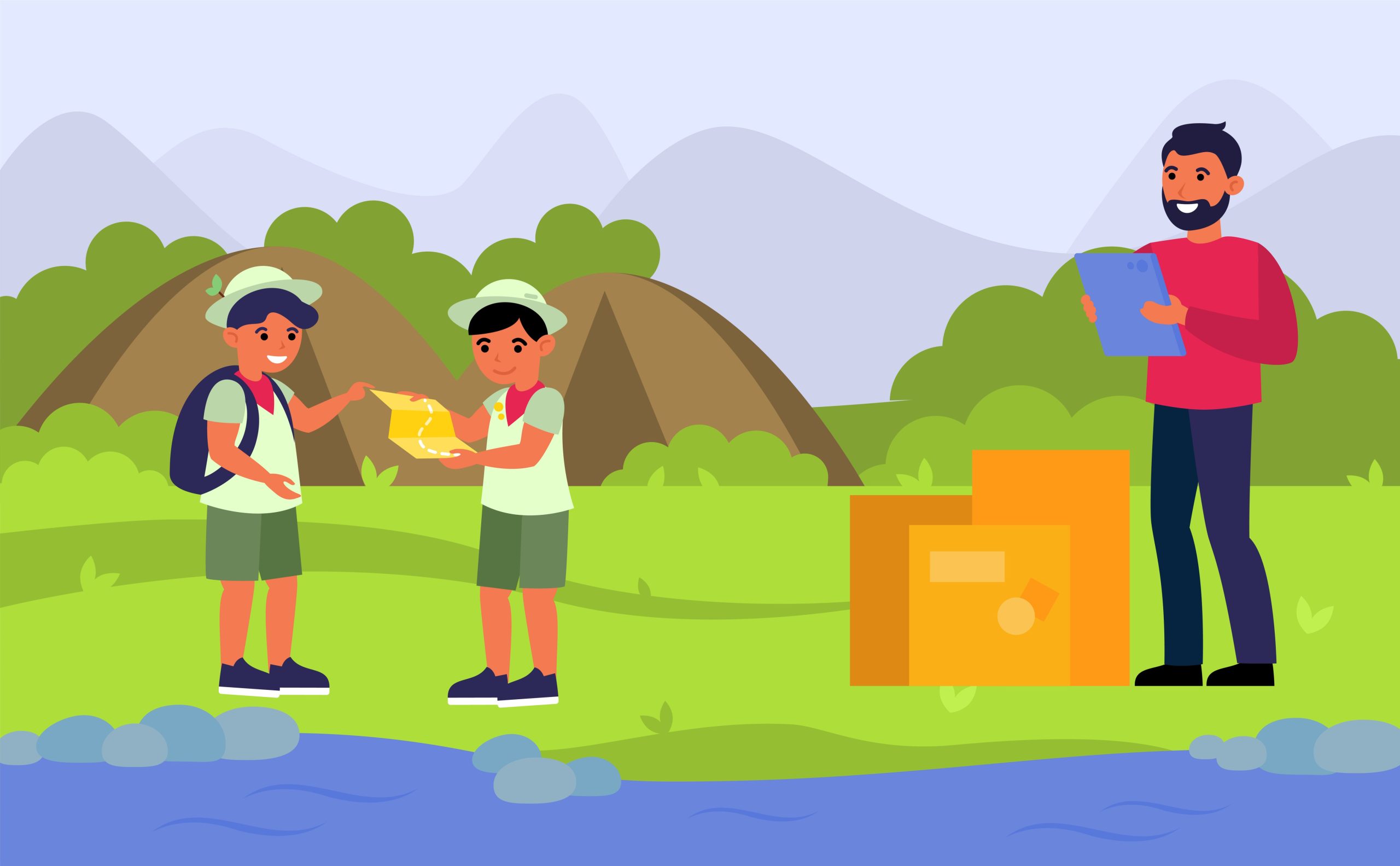
Career confusion often begins when students cannot connect subjects with real life. Learning outside classrooms helps students visualize applications of knowledge which is essential for career exploration.
Through discussions projects and exposure students begin to understand career paths career options and future opportunities. This naturally supports career guidance for students without pressure.
- Students explore good career options through real examples
- Career tests and career quizzes become more meaningful
- Career development feels organic not forced
Role of Parents and Teachers
Parents and teachers play a critical role in encouraging learning beyond classrooms. This does not require changing the syllabus but changing the approach.
- Encourage discussions outside textbooks
- Support participation in community programs
- Allow students to reflect on experiences
When parents see learning as a journey not a timetable children develop confidence clarity and self awareness.
Why This Matters for the Future
The future of education lies in preparing students not just for exams but for life and careers. Learning beyond classrooms builds adaptability collaboration and self direction which are essential for professional success.
In a world of evolving careers from information technology opportunities to creative and business jobs students need exposure not memorization. Platforms focused on career guidance and counselling can amplify this approach when supported by real world learning.
Final Thoughts
Students do not learn better because they leave classrooms. They learn better because they enter environments that respect how the brain works. By blending cognitive science environmental design and career awareness schools can transform learning outcomes.
How does your school support learning beyond classrooms Share your thoughts in the comments explore related insights on EDVDO and help us build smarter learning ecosystems for students.