
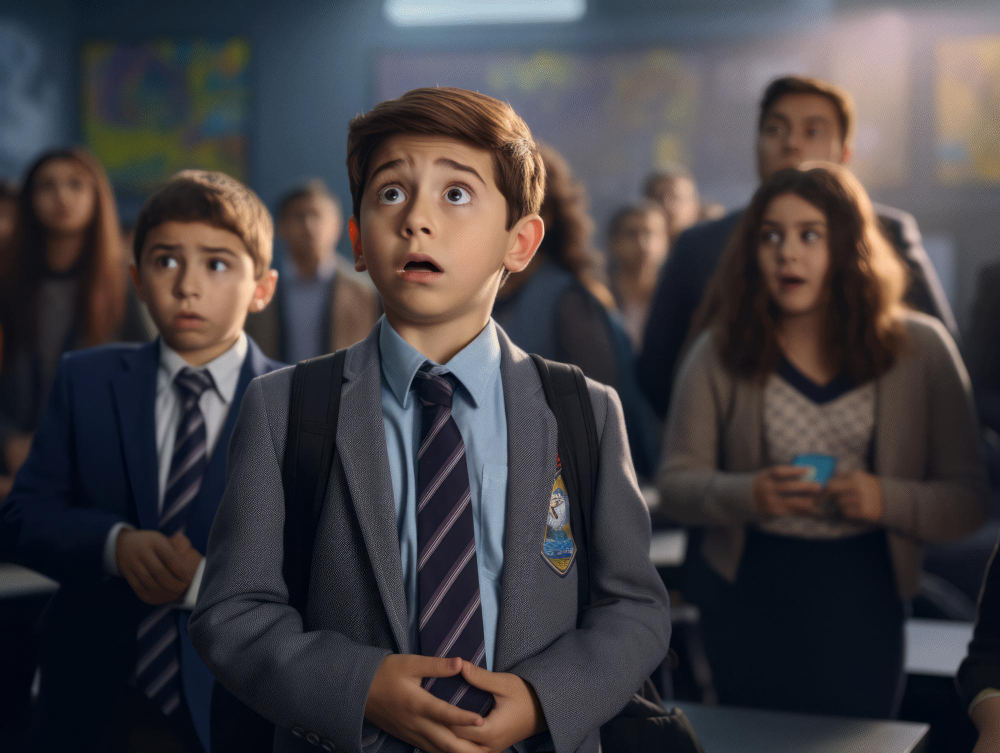
How Interest Skill Mismatch in Early Teens Leads to Wrong Career Choices
Choosing a career is one of the most important decisions a student will face in their life. Unfortunately, many students in Grades 8 to 10 end up making choices that do not align with their skills and interests. This mismatch can lead to frustration, low motivation, and a higher likelihood of changing careers later. Understanding the link between early interests, emerging skills, and career guidance is crucial for parents, teachers, and career counselors.
Why Interest Skill Alignment Matters
Interest skill alignment is essential because students who enjoy what they do are more likely to put in consistent effort, develop expertise, and succeed. On the other hand, a mismatch can result in:
- Lack of motivation to complete tasks
- Lower academic performance in subjects unrelated to their strengths
- Difficulty in making informed career choices
- Increased stress and dissatisfaction in professional life
Studies show that early exposure to career guidance and career exploration tools, such as career explorer platforms, can help students identify their natural strengths and interests.
Common Causes of Interest Skill Mismatch
Several factors contribute to students choosing careers that do not align with their abilities. Some of the common reasons include:
- Parental Pressure: Students may choose paths favored by parents rather than their own interests.
- Peer Influence: Peer trends can influence students to pursue popular career paths instead of suitable ones.
- Lack of Awareness: Many students are unaware of good career options or information technology career opportunities available to them.
- Limited Exposure: Schools often focus heavily on academics, leaving minimal room for exploring arts career options or vocational skills.
- Inadequate Career Guidance: Without structured career guidance and counselling, students are left to guess their path.
Signs of Interest Skill Mismatch
Parents and teachers can identify potential mismatches early by observing:
- Students showing disinterest in subjects they are naturally good at
- Frequent complaints about schoolwork or feeling overwhelmed
- A pattern of changing hobbies or subjects without commitment
- Avoiding challenges or tasks that require their actual skills
The Role of Career Guidance in Early Teens
Effective career guidance can help students bridge the gap between interest and skill. Schools in Pune, such as Indus International School Pune and Symbiosis International School Pune, are pioneering skill-based education programs to help students identify their strengths and explore career paths.
Career guidance tools and career quizzes, such as career quiz platforms, enable students to:
- Discover best career options aligned with their interests
- Understand professional jobs and the skills required
- Explore information technology job and business jobs
- Plan future educational choices based on aptitude and passion
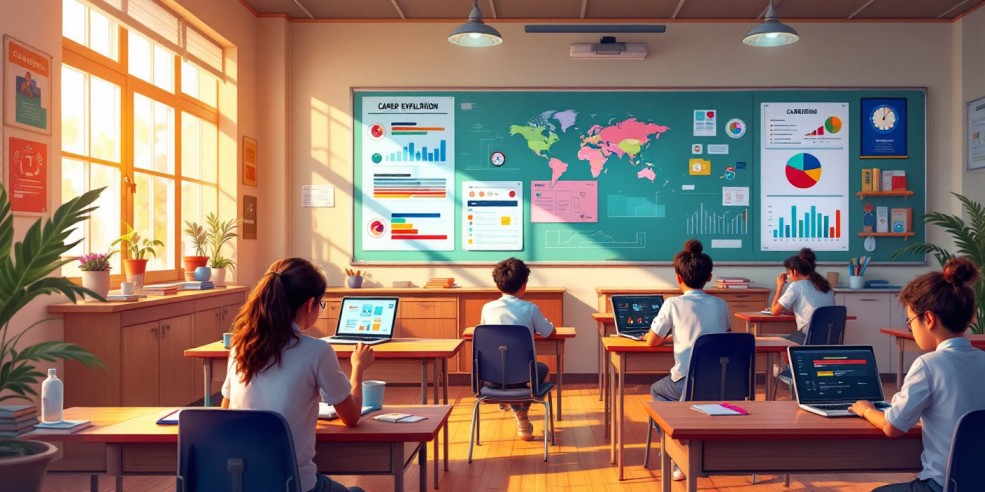
Strategies to Prevent Wrong Career Choices
Parents, teachers, and career counselors can use several strategies to prevent students from choosing careers misaligned with their interests and skills:
1. Early Career Exploration
Introduce students to a variety of career options early using school programs focused on skills and interests. Interactive workshops, career fairs, and exposure to real-world professions help students understand their aptitude.
2. Skill Based Assessments
Use career tests and skill assessments to identify strengths in academics, creativity, leadership, and technical abilities. This data can guide students toward good career options and best future career opportunities suited for them.
3. Personalized Mentoring
One-on-one mentoring helps students reflect on their choices and understand consequences. Mentors can also introduce them to arts career options or information technology career opportunities beyond conventional paths.
4. Encouraging Self Awareness
Encourage students to maintain journals or portfolios to track skills, hobbies, and achievements. Self-awareness increases confidence and reduces the chances of pursuing unsuitable careers.
The Long Term Impact of Wrong Career Choices
When teens follow careers that do not match their skills and interests, the consequences can include:
- Job dissatisfaction and reduced performance
- Increased stress and mental health issues
- Frequent career changes and instability
- Delayed achievement of professional goals
Conversely, aligning careers with strengths leads to higher engagement, better academic results, and enhanced personal growth.
Local Schools Leading Career Guidance Initiatives
Several Pune schools are implementing career guidance and counselling programs. For example:
- VIBGYOR High Pune offers a structured career development program for early teens
- The Poona School uses career explorer com tools to match student interests with potential careers
- Pune International School provides workshops on professional jobs, business jobs, and information technology job opportunities
Conclusion
Interest skill mismatch in early teens is a major factor leading to wrong career choices. By providing structured career guidance for students, early exposure to diverse career paths, skill assessments, and personalized mentoring, parents and educators can ensure students make informed choices. Pune schools are demonstrating that aligning interests with skills early creates motivated, confident, and successful future professionals.
How do you help students explore careers and align their skills and interests? Share your thoughts in the comments below and share this blog with educators, parents, and career counselors who are guiding the next generation of professionals!