
The Future of Classrooms: What Pune’s New School Designs Tell Us About Learning Spaces
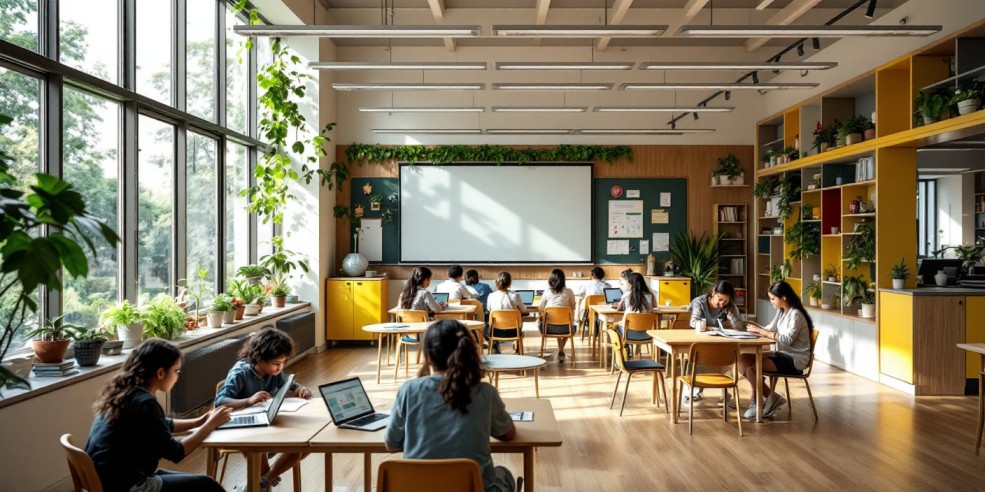
The future of classrooms in Pune is taking shape through an inspiring blend of modern school design, architecture, and psychology. Across the city, educators and architects are reimagining how learning spaces can spark curiosity, boost focus, and make learning more human. Pune’s new school designs are redefining what it means to study — transforming traditional classrooms into environments that nurture both academic and emotional growth.
Why the Design of a Classroom Matters in the Future of Classrooms
In the journey toward the future of classrooms, one thing is clear: the way a classroom is designed shapes how students think, feel, and perform. For decades, classrooms followed a standard model — rows of benches, whiteboards, and minimal color. But today, researchers and educators in Pune agree that school architecture plays a vital role in shaping learning behavior. The connection between physical space and mental focus is undeniable.
Studies from Edutopia show that students in well-designed learning environments perform significantly better. Natural light, thoughtful color schemes, and open layouts can make the difference between passive listening and active engagement. In short, the future of classrooms in Pune depends as much on design as on teaching.
How Pune Schools Are Reimagining the Future of Classrooms Through Innovative Design
Across Pune, a quiet revolution is unfolding in how schools are designed. The future of classrooms here is not about technology alone but about building spaces that help students connect, collaborate, and create. These schools are showing that learning happens best when the environment supports curiosity and confidence.
Open and Flexible Learning Spaces
Leading institutions like Symbiosis International School Pune and Indus International School Pune are setting examples for the future of classrooms in India. Their flexible classrooms with movable furniture, large windows, and natural ventilation encourage students to collaborate and think freely. The idea is to move away from static seating and create dynamic zones for learning.
Nature-Inspired School Designs
Schools located near Bavdhan, Hinjawadi, and Baner are integrating nature into their structures. This approach to modern learning spaces in Pune includes green courtyards, open amphitheaters, and eco-friendly materials. Biophilic designs promote mental calm and improve focus, aligning perfectly with the future of classroom design.
Multi-Sensory Classrooms That Boost Focus
Institutions such as VIBGYOR High Pune are pioneering sensory-rich spaces — where color, texture, and sound come together to improve concentration. Blue walls calm the mind, yellow zones inspire creativity, and acoustically balanced rooms reduce distractions. These are the hallmarks of the future of classrooms — environments designed for how students actually feel and learn.
The Psychology Behind the Future of Classrooms and Learning Spaces
Every element in a classroom — from lighting to layout — interacts with the human mind. The future of classrooms draws heavily from psychology to enhance focus, motivation, and emotional well-being. Schools that understand this link design classrooms that feel both functional and inspiring.
- Color Psychology: Calming shades improve focus, while vibrant hues enhance creativity.
- Lighting: Natural light boosts energy levels and supports emotional stability.
- Seating Design: Flexible arrangements support teamwork and interactive learning.
- Sound Control: Good acoustics ensure better listening and fewer distractions.
- Personal Space: When students can personalize their classroom areas, they feel more connected to learning.
Future of Classrooms and Student Identity in Pune
The most successful school designs in Pune don’t just focus on aesthetics; they create spaces where students develop confidence and identity. The future of classrooms supports emotional growth by recognizing that how students experience their space affects how they see themselves. For example, art studios filled with natural light or reading nooks with soft lighting can change how students engage with learning.
This idea aligns with our article on schools as ecosystems of identity, emphasizing that schools must move beyond grades and help students discover who they are through space and experience.
Architects and Educators Building the Future of Classrooms in Pune
Pune’s architects and educators are working hand in hand to bring the future of classroom design to life. Many local schools, such as The Kaveri Group of Institutes and The Orchid School, have adopted modular classrooms that can easily be reshaped for different activities. Local architecture firms featured on ArchDaily are also experimenting with community learning zones and eco-friendly materials to enhance sustainability.
How the Future of Classrooms Enhances Curiosity and Focus
In the future of classrooms in Pune, curiosity is designed into the structure itself. Spacious layouts, colorful corners, and visual openness create opportunities for exploration. When students can move freely, look around, and interact with their surroundings, their sense of curiosity naturally increases. Focus becomes easier because the environment itself supports mental balance.
- Engaging, interactive classroom layouts improve collaboration.
- Color-coded learning zones encourage focus on specific subjects.
- Natural light improves attention span and mood.
Integrating Technology Into the Future of Classrooms
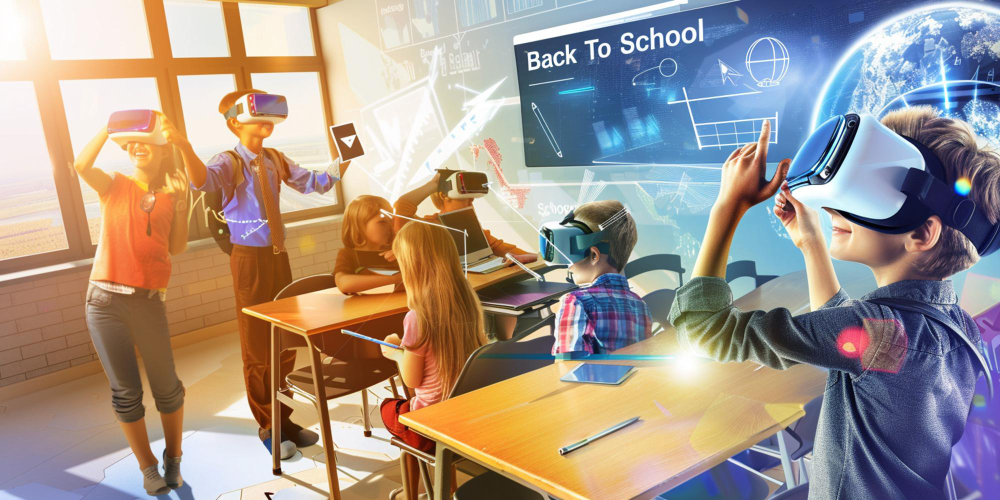
The future of classrooms is incomplete without technology. But the key is thoughtful integration. Instead of isolating tech in labs, schools like Victorious Kidss Educares have made it part of everyday learning. Smartboards, interactive AR tools, and virtual labs are designed seamlessly into classroom architecture to make lessons more experiential.
Emotionally Intelligent Design in the Future of Classrooms
The next frontier in the future of classrooms is emotional intelligence. Schools are creating calm zones, sensory pods, and inclusive learning areas to meet diverse emotional needs. By designing spaces that support emotional balance, schools make learning feel safer and more empowering — especially for students in Grades 8 to 10 navigating adolescence and identity formation.
The Future of Classrooms in Pune: A Model for India
The future of classrooms in Pune is setting a new national benchmark. Schools are no longer just buildings; they are learning ecosystems that bring together light, design, and emotion. From flexible furniture to mindfulness corners, these classrooms prepare students not only for exams but for life. Pune’s example is inspiring educators across India to rethink how space and learning can work together.
Key Takeaways on the Future of Classrooms
- The future of classrooms merges architecture with psychology to promote better learning outcomes.
- Modern Pune schools use natural light, color, and flexible layouts to support curiosity and focus.
- Technology and design work hand in hand to create inclusive, engaging spaces.
- Emotionally intelligent environments help students feel safe, confident, and inspired.
Final Thoughts
The future of classrooms in Pune is already here — bright, open, and designed for the whole student. These new learning spaces remind us that education isn’t only about what’s taught, but also about where it happens. By blending design and psychology, Pune’s schools are building a model for 21st-century learning that other cities can learn from.