
Discipline vs Freedom: What Works Best for Teen Learning?
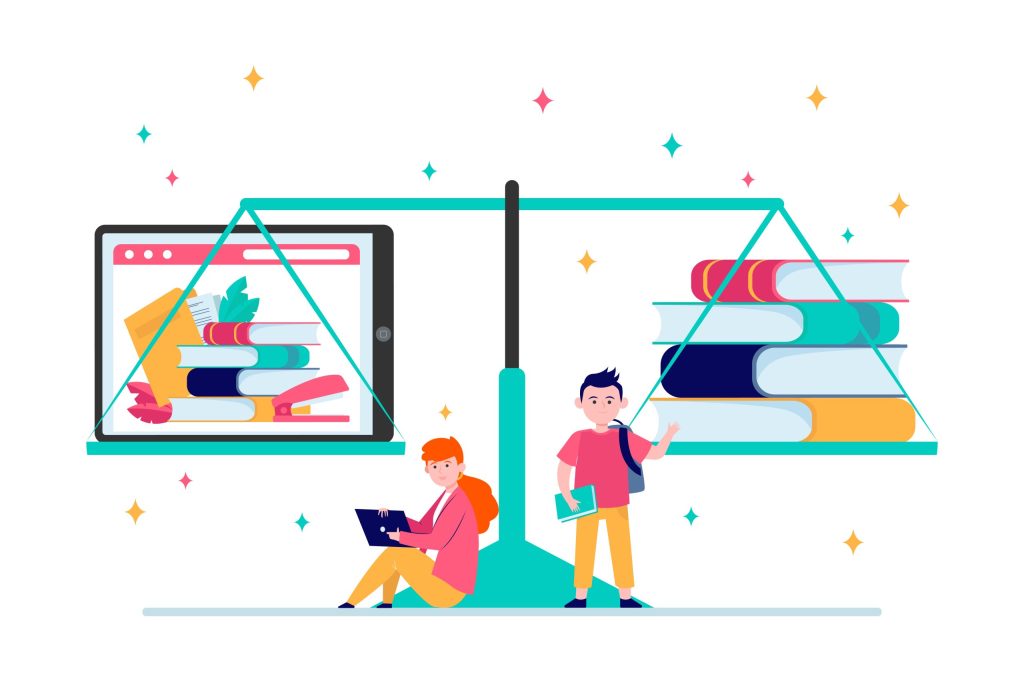
Parents and teachers often wonder what works best for teenagers when it comes to education. Should students be guided with strict discipline, or should they be given freedom to explore? The reality is that both play an important role in shaping the learning journey of students in Grades 8 to 10. This stage of life is full of curiosity, ambition, and self discovery, but it can also be filled with distractions and challenges. Striking the right balance between structure and independence can create a strong foundation for lifelong learning.
Why Discipline Matters in Teen Learning
Discipline provides structure and helps students focus on their responsibilities. Without discipline, it is easy for teens to get lost in distractions such as social media or peer pressure. Here are some reasons why discipline is important:
- Encourages consistent study habits and time management.
- Teaches responsibility and accountability for actions.
- Reduces procrastination and builds a sense of achievement.
- Helps students meet deadlines and academic goals.
- Prepares teens for real world expectations in higher studies and work.
For more on time management, check out our guide on time management for students.
The Role of Freedom in Teen Learning
On the other hand, freedom gives students space to explore, make mistakes, and learn at their own pace. Freedom is not the absence of rules, but the presence of trust, creativity, and self direction. Benefits of freedom in learning include:
- Encourages independent thinking and problem solving.
- Builds creativity by allowing exploration of different subjects or hobbies.
- Helps students take ownership of their education.
- Improves motivation as students feel respected and trusted.
- Strengthens emotional resilience through learning from mistakes.
According to Edutopia, student voice and choice improve engagement and long term academic outcomes.
Finding the Right Balance Between Discipline and Freedom
Neither extreme discipline nor unlimited freedom works effectively on its own. A healthy balance is necessary. Here are strategies parents and teachers can use:
- Set Clear Expectations: Create clear rules about study time, screen time, and responsibilities, but explain the reasons behind them.
- Offer Flexible Choices: Allow students to choose subjects, projects, or hobbies that interest them while keeping academic priorities in place.
- Encourage Accountability: If students miss deadlines, guide them to learn from the consequences instead of punishing harshly.
- Mix Routine with Freedom: Have fixed study hours but allow free time afterward for relaxation and creativity.
- Involve Students in Decision Making: Ask for their input on learning schedules and personal goals.
How Parents Can Support Teen Learning
Parents are the first role models when it comes to balancing discipline and freedom. Here are some ways parents can guide teenagers:
- Encourage open communication where teens feel comfortable sharing challenges.
- Celebrate progress instead of focusing only on grades.
- Provide a study friendly environment at home.
- Respect their personal space while guiding them with advice.
- Support extracurricular activities to balance academics with hobbies.

The Role of Teachers and Schools
Schools are equally important in creating a balance between structure and independence. Teachers and principals can support students through:
- Interactive Classrooms: Move beyond lectures to group discussions and projects.
- Positive Reinforcement: Reward effort and creativity, not just scores.
- Mentorship Programs: Encourage peer learning and guidance from seniors.
- Flexible Assessments: Include projects, presentations, and creative assignments alongside exams.
- Safe Environment: Build classrooms where teens can ask questions without fear of judgment.
Case Examples: Discipline and Freedom in Action
Let us look at practical scenarios:
Case 1: The Strict Routine
A student with a highly disciplined study routine may excel in exams but struggle with creative problem solving and adaptability.
Case 2: The Free Spirit
A student with unlimited freedom may enjoy hobbies and personal growth but might find it difficult to stay consistent with studies.
Case 3: The Balanced Approach
A student who follows a structured timetable with enough free time to explore passions enjoys the best of both worlds.
Long Term Impact of Balance
When teens learn discipline and freedom together, the long term benefits include:
- Strong academic foundation and career readiness.
- Ability to adapt to challenges and failures.
- Better emotional intelligence and decision making.
- Healthy relationships with peers, teachers, and family.
- Lifelong skills of self discipline and independent thinking.
According to Child Development Info, balanced parenting styles help children grow into responsible and confident adults.
Final Thoughts
Discipline and freedom are not opposites but complementary forces that shape effective learning. Students in Grades 8 to 10 need both structure and independence to succeed academically and personally. Parents, teachers, and counselors must work together to create an environment where rules guide students without limiting their creativity. With the right balance, teens will learn not just to achieve good grades but also to grow as confident, responsible, and inspired individuals.