Why Student Confidence Is Becoming a Bigger Challenge Than Student Performance
Across India many students are achieving good marks, completing assignments on time, and preparing seriously for examinations. Yet a growing number of parents, teachers, principals, and career counsellors are noticing a different concern. Students who perform reasonably well often hesitate to answer questions, avoid taking initiative, and doubt their own abilities. This shift highlights an important reality. Student confidence is becoming a bigger challenge than student performance.
For students in Classes 8 to 10, confidence plays a critical role in academic growth, career exploration, communication skills, and emotional wellbeing. A student who believes in their ability to learn is more likely to embrace challenges and recover from setbacks. A student who lacks confidence may struggle even when their academic performance looks strong on paper.
This research based article explores why confidence is declining among many students, how it affects their future, and what parents and educators can do to build stronger self belief.
Understanding the Difference Between Student Confidence and Student Performance
Performance measures what a student achieves. Confidence reflects what a student believes they can achieve. Both are important, but they are not always connected.
A student may score high marks but still feel uncertain about participating in discussions, speaking in public, choosing a career path, or handling failure. Another student may achieve average marks but remain confident enough to try new opportunities and continue learning.
This difference matters because long term success depends on both knowledge and self belief.
- Performance reflects outcomes
- Confidence influences future actions
- Performance can change from test to test
- Confidence affects decision making for years
Why Student Confidence Is Declining
Several factors are contributing to lower confidence levels among students. These challenges often develop gradually and become visible during adolescence.
Constant Comparison
Students today compare themselves with classmates, social media influencers, toppers, and even strangers online. Every achievement appears visible and measurable.
When students constantly compare themselves to others, they may feel their efforts are never enough. This weakens student confidence even when academic results remain strong.
Fear of Making Mistakes
Many students grow up believing mistakes are signs of failure rather than opportunities for learning. As a result, they become cautious and avoid situations where they might be wrong.
Confidence grows through practice, experimentation, and occasional failure. When students fear mistakes, confidence struggles to develop.
Pressure Focused Learning
In many Indian households, education is viewed as the pathway to future success. While this belief often motivates students, excessive pressure can create anxiety.
Students may begin focusing entirely on marks while ignoring skill development, communication abilities, and self awareness. Over time, this weakens confidence despite strong academic performance.
The Hidden Impact of Low Student Confidence
Low confidence affects much more than classroom participation. It influences how students see themselves and their future opportunities.
A student who lacks confidence may:
- Avoid leadership opportunities
- Hesitate to ask questions
- Struggle during interviews
- Feel anxious about career decisions
- Avoid challenging academic tasks
- Depend heavily on external validation
These patterns often continue into higher education and professional life.
Why Confidence Matters for Career Readiness
Career success requires more than academic knowledge. Employers increasingly value communication, adaptability, problem solving, and decision making.
Students who possess confidence are more likely to explore different career paths, ask meaningful questions, and take ownership of their goals.
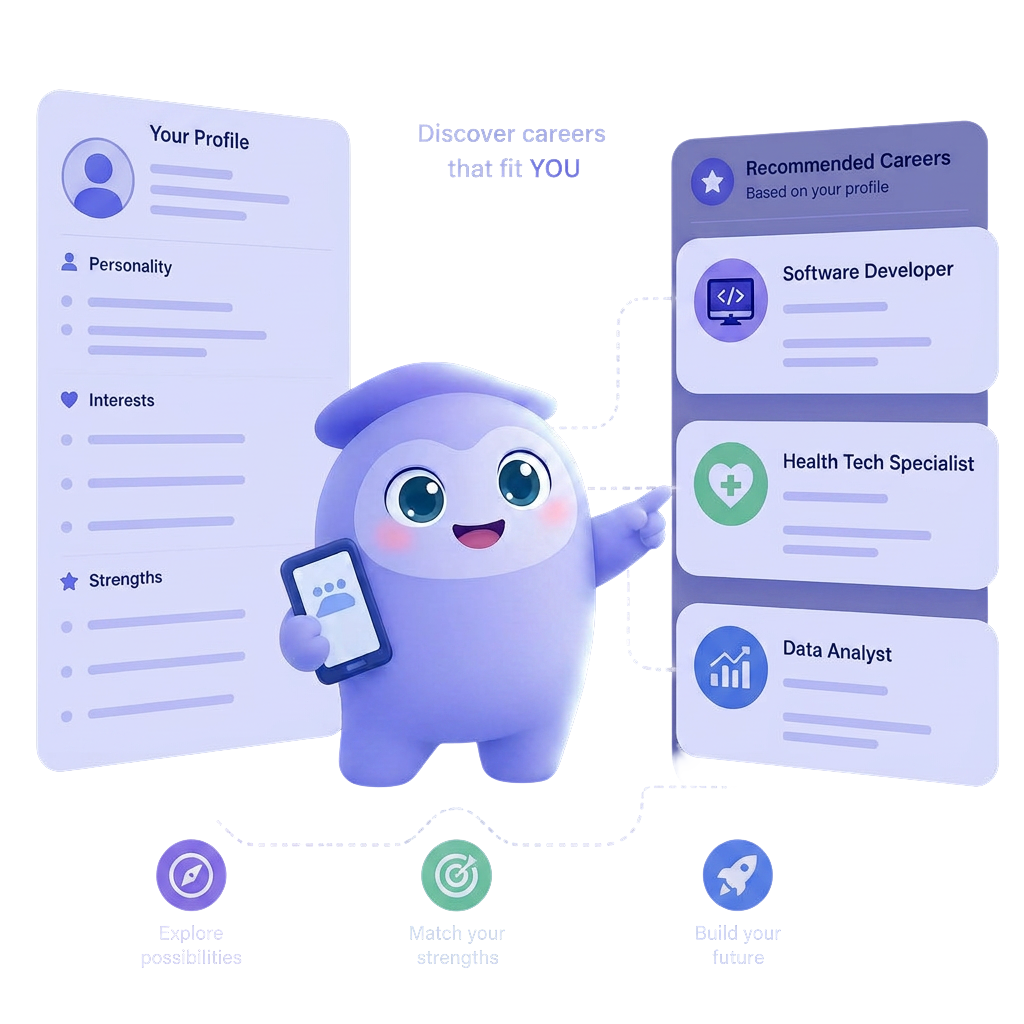
Platforms such as career exploration resources can help students understand future opportunities. However, confidence is what encourages them to pursue those opportunities.
Similarly, guidance from experienced career experts can help students develop clarity and self belief while making important educational decisions.
What Research Says About Confidence and Learning
Educational research consistently shows that confidence influences motivation, persistence, and engagement. Students who believe they can improve are more willing to continue working after setbacks.
According to information shared by the Organisation for Economic Co operation and Development, student wellbeing and self belief play an important role in educational outcomes and long term success.
This means schools cannot focus only on academic achievement. Building confidence must become an educational priority.
How Parents Can Build Student Confidence at Home
Parents have tremendous influence on how students view themselves. Small daily interactions can strengthen confidence over time.
- Praise effort and improvement rather than only results.
- Allow children to solve age appropriate problems independently.
- Encourage questions and curiosity.
- Avoid comparing children with siblings or classmates.
- Celebrate progress even when outcomes are imperfect.
These habits help students develop internal confidence instead of depending solely on external approval.
The Role of Teachers in Developing Confidence
Teachers often shape how students see their own potential. A supportive classroom environment encourages participation and risk taking.
Simple practices can make a significant difference.
- Encourage every student to contribute
- Provide constructive feedback
- Recognize effort and creativity
- Create opportunities for leadership
- Treat mistakes as learning experiences
When students feel respected and heard, confidence naturally grows.
How Technology Can Support Student Confidence
Modern educational technology can provide personalized support that helps students understand their strengths and areas for growth.
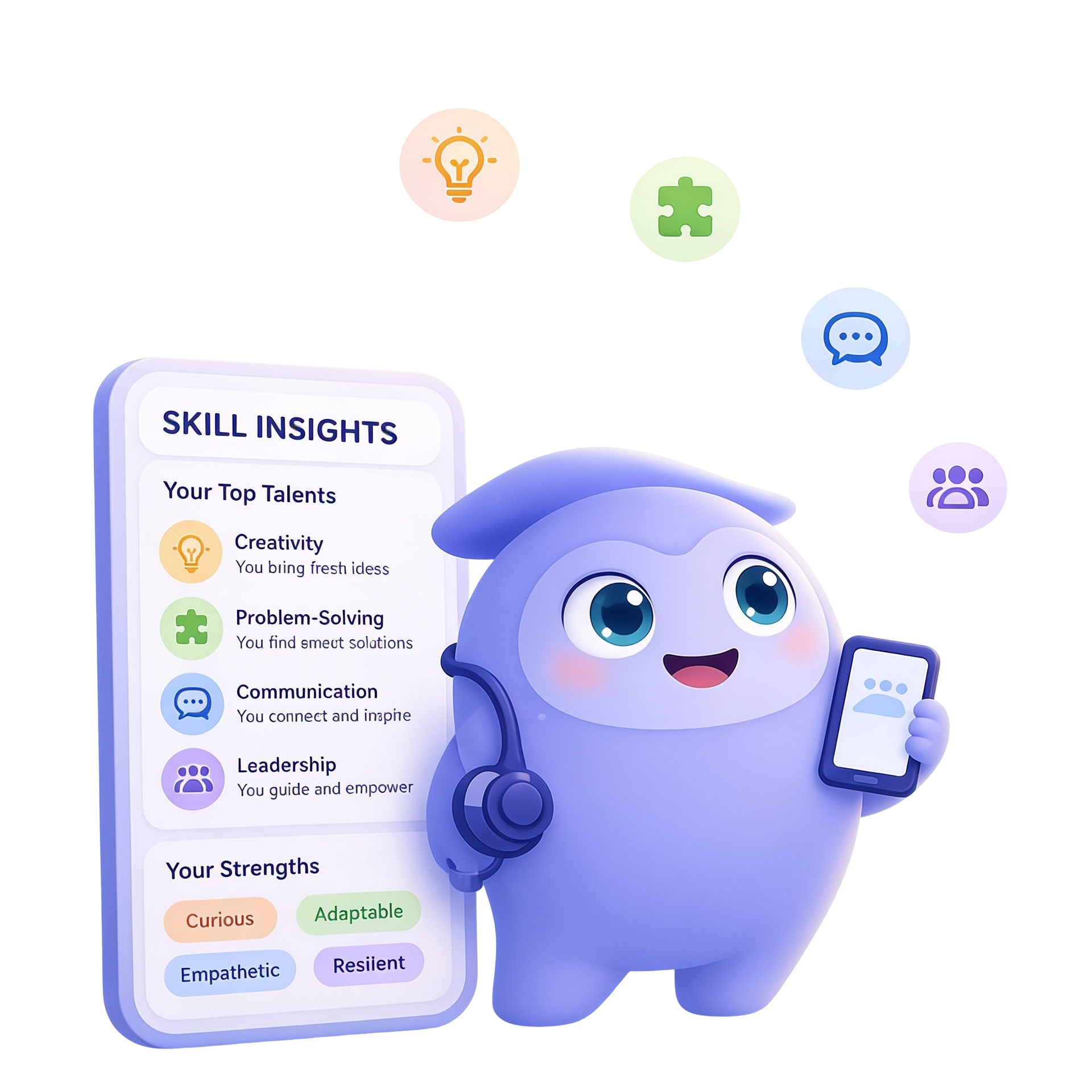
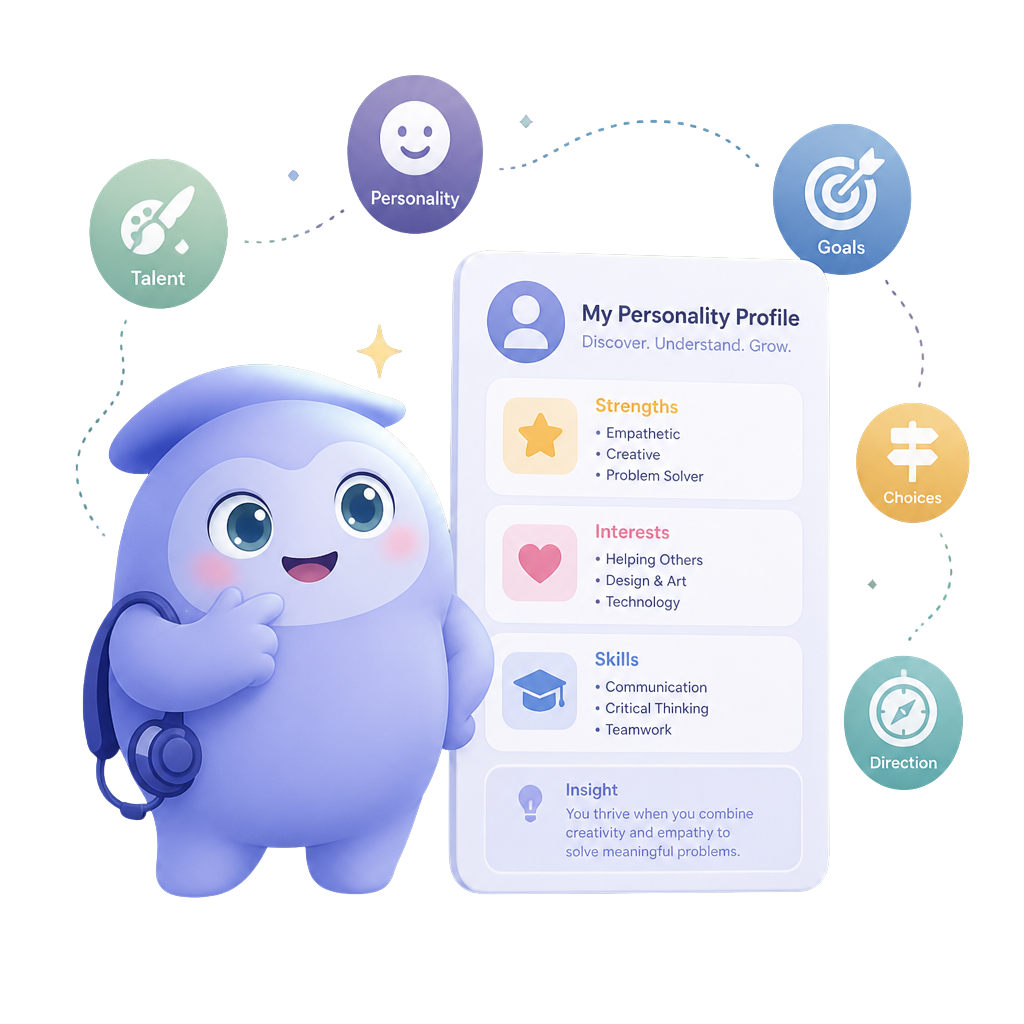
Tools such as student assessments can help learners identify abilities that may not be visible through traditional exams alone.
Likewise, AI powered insights can offer personalized guidance that supports both academic growth and confidence building.
Students can also benefit from interactive support through educational AI assistance that helps answer questions and encourages independent learning.
Why Principals Should Prioritize Confidence Alongside Academic Results
School leaders play a crucial role in shaping educational culture. When confidence building becomes a school wide priority, students receive consistent encouragement from every teacher and activity.
Schools can support confidence development by:
- Promoting public speaking opportunities
- Encouraging project based learning
- Recognizing diverse talents beyond academics
- Providing career awareness programs
- Supporting emotional wellbeing initiatives
These efforts help students discover strengths they may not realize they possess.
A Lesson for Indian Parents and Educators
Many parents dream of seeing their children achieve academic success and secure rewarding careers. Those goals remain important. However, confidence is often the factor that determines whether students can fully use their abilities.
A student with confidence is more likely to pursue opportunities, recover from setbacks, and adapt to changing circumstances. A student without confidence may hesitate even when capable.
Related insights on how educators influence school culture can be explored in this research based article about teacher value and innovation.
Looking Ahead
The future belongs to learners who can think independently, communicate clearly, and adapt confidently to change. Academic performance remains important, but confidence provides the foundation for lifelong growth.
As parents, principals, teachers, and career counsellors, we have an opportunity to help students believe in themselves as much as they believe in their marks. When confidence grows, performance often follows. More importantly, students become prepared for life beyond the classroom.
What strategies have helped build confidence among students in your school or family? Share your experiences, discuss this article with fellow educators and parents, and explore more educational insights to support the next generation of confident learners.