10 Things Every Student Should Do to Become a Space Scientist or Astronaut 🚀
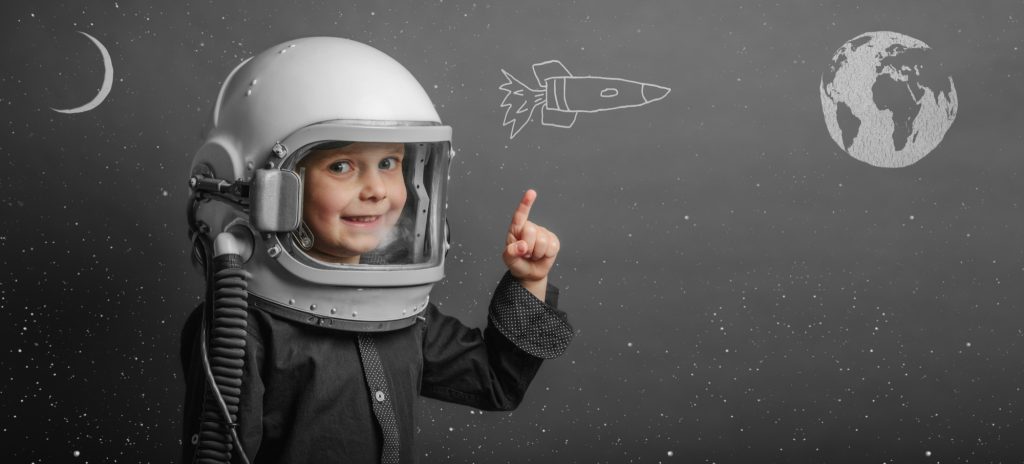
Space exploration has always fascinated humans, and for students in Grades 8 to 10, dreaming of becoming a space scientist or astronaut is both exciting and motivating. With rapid advancements in space technology and opportunities in organizations like NASA and ISRO, now is the perfect time for students to start preparing for this extraordinary career path. Here are 10 things every student should focus on to turn their space dreams into reality.
1. Strengthen Your Foundation in Science and Mathematics
Every space career requires strong knowledge in physics, chemistry, biology, and mathematics. Students should focus on:
- Understanding core concepts rather than memorizing facts.
- Solving practical problems to enhance analytical thinking.
- Participating in science quizzes, Olympiads, and competitions.
These subjects form the backbone of any career in space exploration and research.
2. Cultivate a Growth Mindset
Space exploration is full of challenges and failures. Encouraging students to develop a growth mindset helps them persist through difficulties. For more guidance, explore our article on career opportunities in space exploration.
- Encourage learning from mistakes.
- Focus on continuous improvement and skill development.
- Celebrate small achievements to maintain motivation.
3. Learn Computer Science and Programming
Modern space missions rely heavily on technology. Students should learn:
- Programming languages such as Python, C, or MATLAB.
- Data analysis and simulation skills.
- Basics of robotics and artificial intelligence.
Platforms like Coursera and Khan Academy offer beginner friendly courses tailored for students.
4. Participate in Science and Space Clubs
Joining clubs encourages teamwork, hands-on experiments, and exposure to real-world applications:
- School astronomy or space science clubs.
- Local science museums and planetariums.
- Online communities for space enthusiasts.
This experience fosters curiosity and practical understanding of space concepts.
5. Build Physical Fitness and Health Awareness
Astronauts need strong physical health and endurance. Students should focus on:
- Regular physical exercise such as running, swimming, and strength training.
- Maintaining a healthy diet and lifestyle.
- Understanding basic first aid and health science.
Physical fitness prepares students for the rigorous training programs in astronaut academies.
6. Explore Extracurricular Activities
Participation in extracurricular activities helps students develop leadership, teamwork, and creativity:
- Science fairs, innovation competitions, and robotics challenges.
- Public speaking and debate for communication skills.
- Community service projects to enhance problem solving and empathy.
7. Read Extensively About Space and Astronomy
Students should cultivate a habit of reading books, magazines, and online resources about space. This includes:
- Learning about space missions, astronauts, and discoveries.
- Following updates from space agencies like European Space Agency.
- Understanding the history and future trends in space exploration.
8. Seek Mentorship and Guidance
Mentorship provides direction, encouragement, and insight into career pathways:
- Connect with teachers, alumni, or professionals in space science.
- Participate in workshops and webinars hosted by space organizations.
- Use online mentorship platforms like Mentoring.org to find experts.
9. Gain Research and Internship Experience
Hands-on experience is invaluable. Students can start by:
- Participating in school science projects related to astronomy or physics.
- Interning at science laboratories or research centers.
- Attending summer camps focused on space science.
10. Develop Soft Skills and Communication
Success in space careers is not only about technical expertise. Students should also develop:
- Effective communication for teamwork and presentations.
- Problem solving and critical thinking skills.
- Emotional resilience to handle high pressure situations.
Conclusion
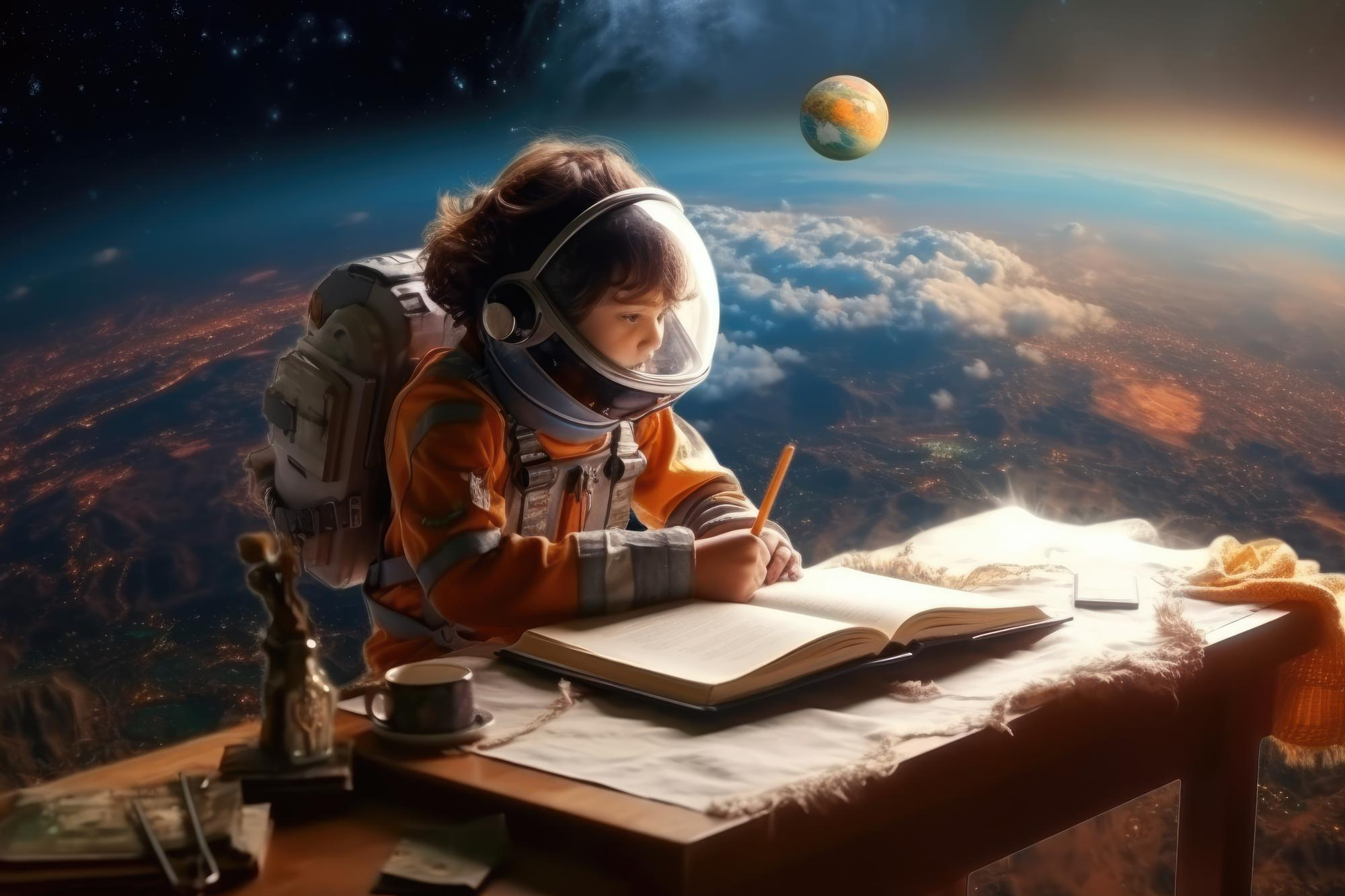
Becoming a space scientist or astronaut requires dedication, knowledge, and continuous skill development. By focusing on academics, physical fitness, extracurricular activities, mentorship, and soft skills, students in Grades 8 to 10 can set a strong foundation for this exciting career. The journey may be challenging, but the rewards of contributing to space exploration are immense and inspiring.