

10 Skills Every Student Should Build to Become an Animator 🎬
Animation is a world where creativity meets technology, and storytelling comes alive through motion. For students in Grades 8 to 10, exploring animation as a career can open doors to countless opportunities in films, games, advertisements, and digital content creation. To succeed as an animator, students need to cultivate a set of essential skills that combine technical knowledge, artistic talent, and problem-solving abilities. This guide will help parents, teachers, and counselors understand the key skills students should develop to pursue a successful career in animation.
Why Building Skills Early Matters
Starting early helps students gain confidence, refine their techniques, and understand the animation industry better. With the right skills, students can:
- Create stunning animations for projects and portfolios
- Develop critical thinking and problem-solving skills
- Learn software and tools efficiently
- Enhance storytelling abilities and creativity
- Prepare for professional opportunities in game and animation careers
1. Strong Drawing and Observation Skills
At the foundation of animation lies drawing. Students must practice sketching characters, objects, and environments. Observing real life carefully helps them understand proportions, movements, and expressions. Tips for parents and teachers:
- Encourage daily sketching exercises
- Use reference images or life observation for practice
- Explore different art styles to find their unique voice
2. Understanding of Storytelling
Animation is essentially storytelling. Students should learn how to structure a story, develop characters, and create engaging narratives. Effective storytelling makes animations memorable.
- Practice writing short scripts for animations
- Watch animated films and analyze story structure
- Join creative writing or drama activities to strengthen narrative skills
3. Knowledge of Animation Principles
Core animation principles such as timing, spacing, squash and stretch, and anticipation are crucial. These principles help make movements realistic and expressive. Beginners can start with simple 2D animation exercises to grasp these fundamentals. For more reference, students can visit Animation Mentor resources.
4. Technical Skills and Software Proficiency
Learning animation software is a critical skill. Students should start with beginner-friendly tools and gradually move to professional programs.
- 2D Animation Software: Toon Boom, Adobe Animate
- 3D Animation Software: Blender, Autodesk Maya
- Video Editing Tools: Adobe Premiere Pro, Final Cut Pro
Parents can encourage online tutorials and workshops to improve proficiency. Platforms like Coursera animation courses provide structured learning paths for students.
5. Attention to Detail
Animating even a few seconds requires precision. Students need to focus on details such as character expressions, movements, and backgrounds. This skill develops patience and discipline, which are essential for professional success.
6. Creativity and Imagination
Creativity is the heart of animation. Students should be encouraged to think outside the box, experiment with different styles, and create unique worlds. Activities like doodling, brainstorming story ideas, and exploring digital art can boost imagination.
7. Communication and Collaboration
Animators often work in teams. Being able to communicate ideas clearly and collaborate with others is key. Students can develop these skills through:
- Group projects in school or extracurricular activities
- Presentation exercises for storytelling
- Online animation communities to share and receive feedback
8. Time Management and Organization
Animation projects are time intensive. Students must learn to manage deadlines, organize files, and plan each stage of production. Simple techniques include:
- Creating project schedules
- Breaking tasks into smaller milestones
- Prioritizing key scenes or shots
9. Problem-Solving and Adaptability
Animating characters and scenes often presents unexpected challenges. Students should develop problem-solving skills to troubleshoot technical issues and creatively solve design challenges. Encouraging experimentation and resilience helps students adapt to various situations in animation projects.
10. Continuous Learning and Curiosity
The animation industry constantly evolves with new techniques and software. Instilling a mindset of continuous learning is crucial. Students can:
- Follow industry blogs and YouTube channels
- Participate in online challenges and competitions
- Explore courses from platforms like Udemy animation courses
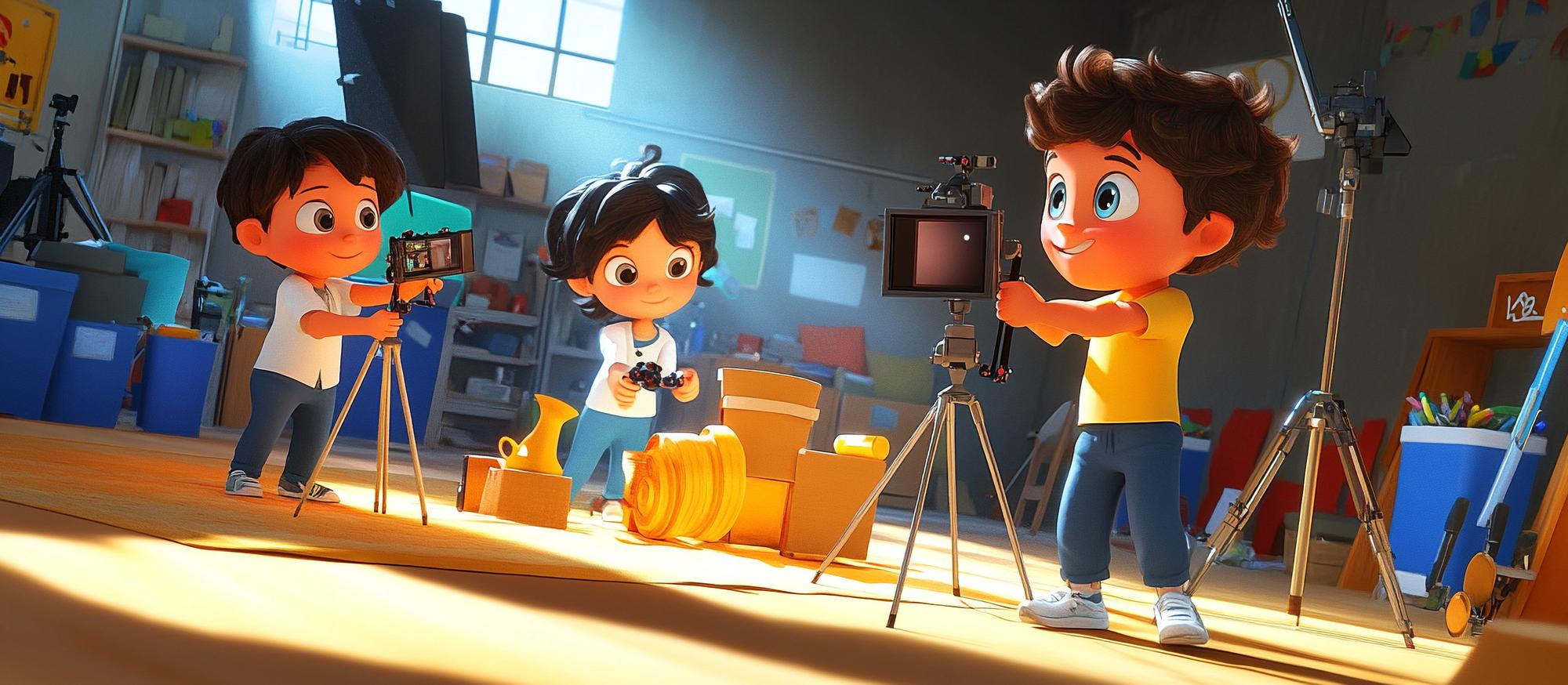
Building a Portfolio Early
A portfolio showcases a student’s skills and creativity. Even small projects or practice animations should be included. Teachers and counselors can guide students to document work, create demo reels, and share portfolios with mentors or online platforms safely.
Conclusion
Becoming an animator is a journey that blends art, technology, and storytelling. By developing these 10 essential skills, students can prepare themselves for exciting opportunities in animation, games, films, and digital media. Parents, teachers, and counselors play a pivotal role in nurturing these skills and encouraging exploration from an early age.