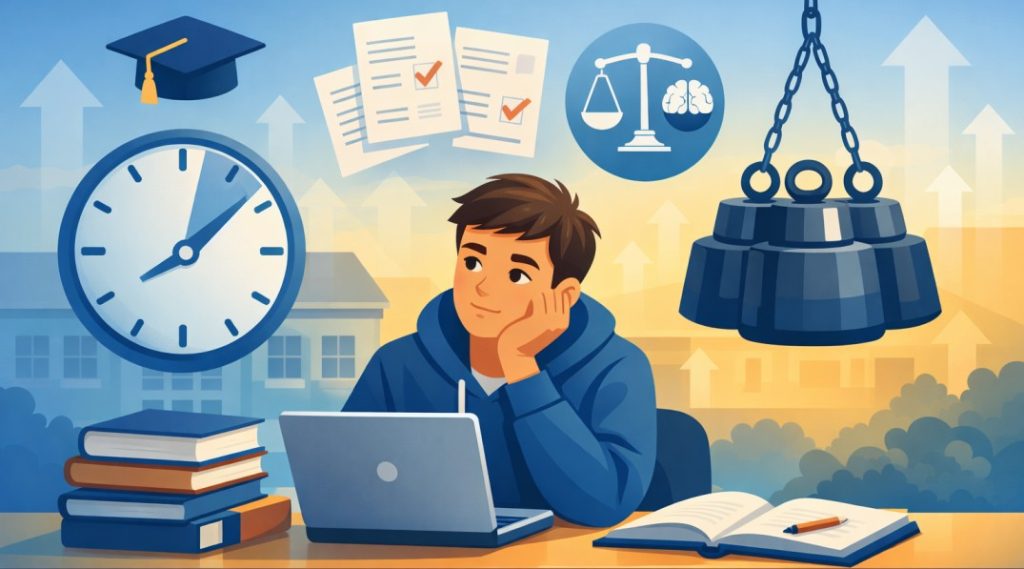
Why Students Internalise Pressure Faster Than Schools Realise
In many Indian classrooms students appear calm and attentive. They finish homework attend tests and follow routines. Yet inside their minds a different story is forming. Many students internalise pressure long before schools notice it. This pressure does not always come from scolding or failure. It often comes from daily messages about success fear of disappointing adults and constant comparison with peers.
Parents and teachers usually notice stress only when marks drop or behaviour changes. By then the emotional load has already settled in. Understanding how and why this happens is essential for families principals teachers and career counsellors working with Class Eight to Ten students.
What Does Internalising Pressure Really Mean
Internalising pressure means a child absorbs expectations and stress into their own thinking. Instead of saying someone expects too much from me they start saying I am not good enough. This shift is quiet and invisible. It grows through routine school experiences.
For Indian students this often begins with exam culture and performance talk. Even praise can create pressure when it focuses only on results. A child learns that value comes from scores not effort or curiosity.
- Fear of disappointing parents
- Belief that mistakes mean failure
- Constant comparison with classmates
- Pressure to choose the right career early
These ideas settle in slowly and shape how students see themselves.
Why Schools Often Miss the Early Signs
Schools are trained to look for visible problems like low marks or misbehaviour. Internal pressure does not look like trouble. A student may still perform well while feeling anxious inside.
Teachers manage large classrooms and strict syllabi. There is little time to notice emotional shifts unless they become disruptive. Many students also hide stress to avoid being seen as weak.
International education research from UNICEF shows that emotional wellbeing directly affects learning and decision making. When pressure stays hidden it quietly affects memory focus and confidence.
How Family Expectations Add to the Load
In Indian families education is linked with security and pride. Parents often say they want their child to be happy but daily conversations revolve around marks and ranks. Children hear mixed messages. They learn that happiness depends on performance.
This does not come from lack of love. It comes from fear about the future. Parents worry about competition and limited opportunities. That worry travels into the child mind.
When a student feels responsible for family hopes the pressure becomes personal. It is no longer about school rules. It is about family identity.
School Systems Can Intensify the Feeling
Many school systems reward speed and accuracy more than exploration. Students learn to avoid risk. They aim to be safe rather than curious.
Constant testing ranking and strict discipline can send the message that mistakes are dangerous. Over time students stop asking questions and start worrying about judgement.
When teachers themselves feel overloaded they may unintentionally pass stress forward. Related insights can be explored in this detailed study on teacher sacrifice and school pressure.
Common School Practices That Build Silent Stress
- Public comparison of marks
- Rewards only for top performers
- Limited space for creative answers
- Career talks focused only on high status jobs
Each practice may seem harmless but together they teach students to fear failure.
Why Class Eight to Ten Students Are Most Affected
This age group stands between childhood and adulthood. Students begin thinking about their future while still learning how to manage emotions. Brain development at this stage makes them more sensitive to judgement.
They also face board exams and career decisions. Pressure increases because adults treat these years as decisive. Students absorb that idea deeply.
A single comment like this year decides everything can shape a child belief system for years.
How Internal Pressure Affects Learning and Choices
When pressure becomes internal it changes how a student learns. They focus on avoiding mistakes rather than understanding concepts. Memory becomes weaker under anxiety. Curiosity fades.
Career choices also become fear driven. Students choose paths that feel safe or respected rather than what matches their interests.
Tools that support self understanding can help reduce this fear. Platforms offering guided evaluation like career assessment systems and insight based learning through AI driven student insights help students see their strengths without comparison.
What Parents Can Do Differently
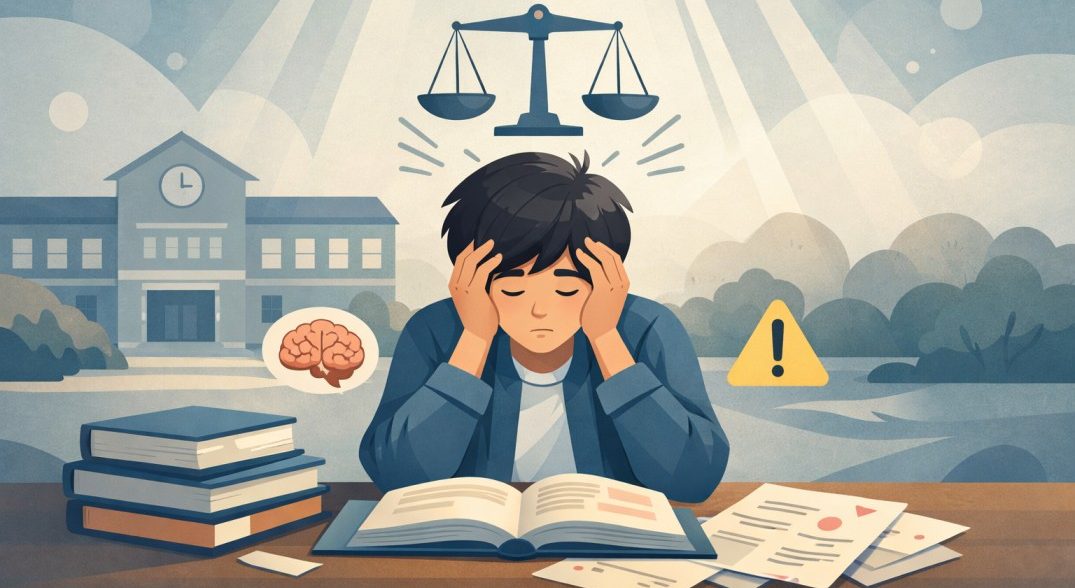
Parents cannot remove competition but they can change the emotional tone around learning.
- Praise effort and strategy not only results
- Talk about learning as growth not ranking
- Share stories of failure as part of success
- Ask about feelings not just marks
These small changes teach children that worth is not tied only to performance.
The Role of Teachers and Principals
Teachers shape classroom culture. When they allow questions and mistakes students feel safer to learn. Principals can support this by rewarding teaching practices that focus on understanding rather than speed.
Career counsellors also play a key role. They help students explore options without fear. Access to guidance tools such as career expert support and exploration platforms like career option libraries reduces the feeling that there is only one right path.
Support systems like student guidance chat tools give students a private space to ask questions without judgement.
Connecting Emotional Safety to Future Readiness
A student who feels emotionally safe is more willing to try new ideas and think long term. This builds stronger decision skills and confidence.
When schools and families reduce hidden pressure students can see education as a journey rather than a race.
This does not mean lowering standards. It means changing the meaning of success from perfect performance to steady growth.
Why Early Awareness Matters
Internal pressure is easier to prevent than to fix. When adults notice emotional signals early they can guide students before fear becomes habit.
Healthy learning environments create adults who make choices from interest and purpose rather than fear and obligation.
Indian parents and educators share the same hope for children to succeed and feel secure. Aligning these hopes with emotional understanding is the next step for education.
How do you see pressure affecting students in your school or home Share your thoughts with other parents and educators and explore more research based insights to support confident learning journeys.