

Why Students Confidently Choose the Wrong Career and the Cognitive Biases Schools Rarely Address
Across India many parents and teachers are surprised when students speak with full confidence about a career choice that later leaves them confused or unhappy. This confidence is not always a sign of clarity. In many cases it is the result of hidden thinking patterns that quietly influence decision making during the crucial school years. Understanding these patterns is essential for parents principals teachers and career counselors guiding students from Class 8 to 10.
The Illusion of Confidence in Teenage Career Decisions
Teenagers often sound certain when they say I want to be an engineer a doctor or a content creator. This certainty gives comfort to families who believe the student has figured out their future early. However brain science tells us that the adolescent mind is still developing especially the parts responsible for long term planning and risk evaluation.
In Pune and other education focused cities many schools encourage early specialization through subject streams competitive exams and peer comparisons. While this structure offers direction it also increases the risk of students locking into decisions without fully understanding their own strengths interests and realistic career paths.
What Are Cognitive Biases and Why They Matter in Career Guidance
Cognitive biases are mental shortcuts the brain uses to make quick decisions. They are helpful for daily life but risky when applied to life shaping choices like careers. Schools rarely teach students how these biases work yet they strongly influence how students choose subjects colleges and professions.
Research shared by organizations such as American Psychological Association highlights how biases affect judgement even in educated individuals. When applied to teenagers the impact becomes even stronger.
Common Cognitive Biases That Lead Students Toward the Wrong Career
Social Proof Bias
Students often choose careers because friends cousins or seniors are choosing the same path. If everyone in a class is preparing for engineering it starts to feel like the safest option even if the student enjoys arts communication or business thinking.
- Group coaching classes reinforce similar goals
- Success stories shared on social media feel universal
- Fear of missing out replaces self reflection
Prestige Bias
In many Indian households careers are ranked by social respect rather than personal fit. Medicine civil services and engineering are often seen as superior regardless of a student natural abilities. This bias pushes students to chase titles instead of meaningful work.
This struggle is deeply discussed in our internal perspective on why students in Pune are choosing passion over prestige.
Overconfidence Bias
Many students believe they will figure things out later. They assume hard work alone will overcome lack of interest or aptitude. Unfortunately by the time reality hits students are already invested in a path that feels difficult to exit.
Confirmation Bias
Once a student decides on a career they start noticing only information that supports it. Negative feedback aptitude results or alternative suggestions are ignored. This is why simple counseling conversations are often not enough.
Why Schools Rarely Address These Biases
Most schools focus heavily on syllabus completion marks and board results. Career discussions are often limited to one seminar or a guest lecture. There is little space to explore how students think rather than what they score.
Teachers are rarely trained to identify thinking traps. Parents also carry their own biases shaped by past experiences and societal expectations. As a result the system unintentionally rewards confidence even when it is misplaced.
The Emotional Cost of Wrong Career Choices
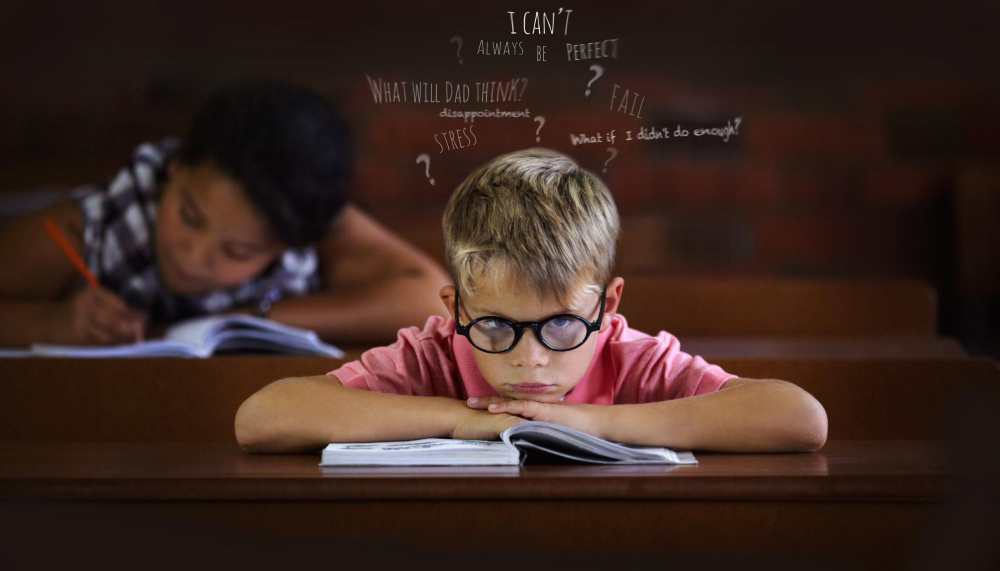
Parents across Pune share similar worries. My child was so sure earlier. Now they feel stuck anxious or disconnected. Students may not openly say it but wrong career alignment often leads to stress loss of motivation and reduced self worth.
This is where structured career guidance becomes essential rather than optional.
How Schools and Parents Can Counter Cognitive Biases Early
Introduce Self Awareness Before Subject Selection
Scientific assessments help students understand interests abilities and working styles. Platforms like EDVDO assessment are designed to reduce guesswork and replace bias with data driven clarity.
Encourage Career Exploration Not Early Fixation
Students should explore multiple careers through projects interactions and real world exposure. Reviewing diverse roles using tools like careers list expands perspective beyond popular choices.
Use Guided Reflection Conversations
Instead of asking what do you want to become ask what problems do you enjoy solving or what activities make you lose track of time. These questions bypass bias and tap into intrinsic motivation.
Blend Human Mentorship With Intelligent Tools
Modern career guidance works best when counselors are supported by intelligent systems. Tools like AI insights and career chat support help students reflect continuously rather than making one time decisions.
What Progressive Schools in Pune Are Doing Differently
Several leading schools in Pune now integrate career thinking into regular learning. They partner with career experts host parent workshops and encourage reflection journals. Parents searching for best schools in Pune for holistic development increasingly value this approach.
Engaging with professionals through platforms like career expert guidance allows students to see beyond stereotypes and understand real career journeys.
Helping Students Choose With Clarity Not Confidence Alone
Confidence without awareness can be dangerous. Awareness without confidence can be built. The role of schools parents and counselors is to slow down decisions encourage questioning and normalize exploration.
When students understand how their mind works they become better decision makers not just better exam takers. This is how we prepare them for careers that evolve not collapse under pressure.
For deeper understanding of how career thinking is changing explore insights from National Center for Biotechnology Information which shares extensive research on decision making and adolescent brain development.
If you are a parent teacher or school leader reflect on one question today. Are we helping students choose with understanding or are we rewarding confident guesses. Share this article with your school community or explore more career guidance resources to support informed futures.