

Why Schools Need Failure Friendly Zones to Build Confident Future Ready Students
In the modern educational landscape, success is no longer measured by grades alone. Students in Grades 8 to 10 face immense pressure to excel academically while also planning their future career paths. While traditional classrooms focus on achievements and marks, research shows that creating failure friendly zones within schools is key to developing confident, resilient, and future ready students.
What Are Failure Friendly Zones
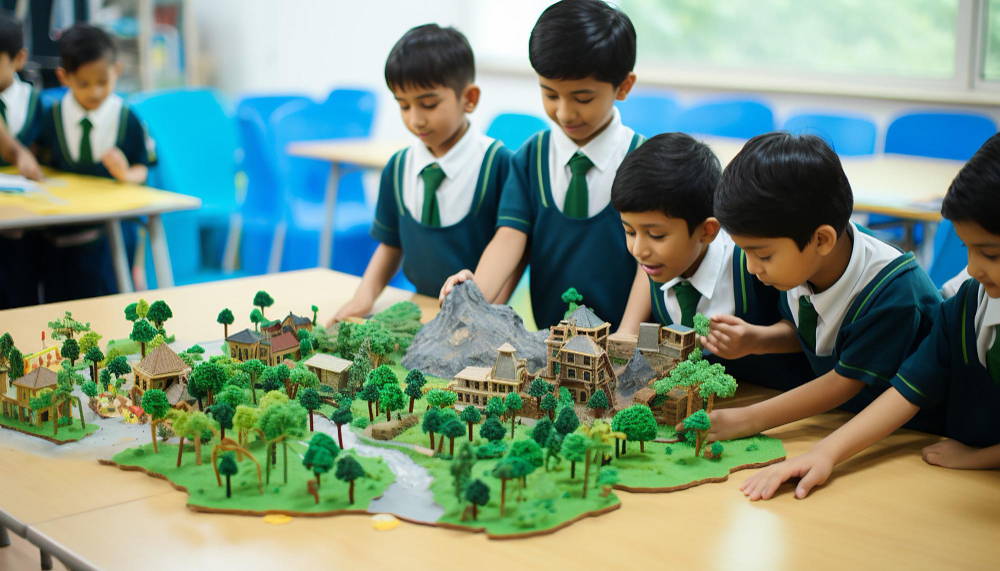
A failure friendly zone is a space within a school environment where students are encouraged to take risks, make mistakes, and learn without fear of judgment or negative consequences. It is a concept rooted in educational psychology, emphasizing learning through trial and error. These zones help students build self confidence and equip them with essential life skills for their career exploration and future success.
Why They Are Important for Students
Failure friendly zones offer numerous benefits that go beyond academic performance:
- Encourage experimentation and creativity in subjects like arts and information technology career opportunities
- Help students develop resilience and learn to cope with setbacks
- Build self confidence to explore best career options and choose my career paths wisely
- Foster a culture where curiosity and innovation thrive
- Enable students to identify their strengths for career guidance for students and career development
Psychology Behind Failure Friendly Learning
Educational psychologists emphasize that experiencing failure in a safe environment is crucial for adolescent development. Students learn to adapt, handle uncertainty, and make informed choices regarding career paths. When failure is treated as a learning opportunity rather than a negative outcome, students are more likely to pursue challenging goals, such as exploring best future career opportunities or taking a career quiz to understand their strengths.
How Schools Can Implement Failure Friendly Zones
Schools can take concrete steps to create spaces and systems that encourage learning through mistakes:
Dedicated Learning Labs
Labs where students can experiment with coding, robotics, or arts allow for practical application without fear of failure. For example, schools offering information technology job skills training can integrate sandbox projects where mistakes are part of the learning process.
Encouraging Risk Taking in Classroom Activities
Teachers can design activities that challenge students, such as debates, coding hackathons, and arts showcases. By providing constructive feedback rather than penalizing errors, schools help students develop good career options and professional jobs skills.
Mentorship and Peer Support
Assigning mentors or peer guides ensures that students feel supported while taking risks. Mentorship can guide students in career exploration, filling gaps identified through activities like career test and career quiz programs.
Linking Failure Friendly Zones With Career Development
Failure friendly zones are instrumental in shaping best careers for students. By experimenting safely, students discover their interests in arts career options, information technology career opportunities, and other career options. Schools that integrate these zones into their curriculum also provide access to career guidance and counselling and career management programs.
For instance, using platforms like EDVDO careers portal, students can take career quizzes and explore best future career opportunities aligned with their strengths, leveraging experiences gained in failure friendly zones.
Case Studies and Examples
Many schools in Pune and across India have embraced this philosophy:
- VIBGYOR High Pune encourages project based learning where failure is part of the process
- Indus International School Pune has dedicated innovation labs and peer mentoring programs
- Many career counselling in Pune centers collaborate with schools to integrate failure friendly principles into career guidance for students
Benefits Beyond Academics
Students who experience failure in safe environments gain lifelong skills:
- Increased resilience and problem solving abilities
- Enhanced self confidence and leadership qualities
- Better decision making regarding career paths and good career opportunities
- Preparation for real world challenges in professional jobs and business jobs
Integrating Failure Friendly Zones Into Daily School Life
Implementing these zones does not require expensive infrastructure. Simple measures include:
- Designating reflection areas where students can analyze mistakes
- Including error friendly scoring in class assignments
- Recognizing effort and creativity rather than only grades
- Encouraging students to take part in career explorer activities and career development programs
- Creating peer discussion groups to learn from each other’s failures
Conclusion
Failure friendly zones are no longer optional but essential for building confident, future ready students. By embracing mistakes as learning opportunities, schools in Pune and across India are shaping adolescents who are resilient, curious, and prepared to navigate complex career options. When integrated with career guidance and counselling, these zones enable students to explore best careers for the future, discover their strengths through career tests and career quizzes, and develop skills required for information technology job and professional jobs.
How are you incorporating failure friendly practices in your school or home environment? Share your thoughts in the comments below and inspire parents, teachers, and career counselors to create safe learning spaces for students.