
Why Parent School Partnerships Fail and How to Improve Them
Education is not only about what happens in the classroom. A student’s growth is shaped equally by the collaboration between parents and schools. While the idea of parent school partnership sounds ideal, the reality often shows gaps. Parents and schools may have good intentions, but misunderstandings, poor communication, and mismatched expectations create barriers. For students in Grades 8 to 10, a stage when academic and career choices begin to matter, strong partnerships become even more important. This article explores why these partnerships fail and how they can be improved for the benefit of students, parents, and teachers alike.
Why Parent School Partnerships Fail
While both parents and teachers want the best for children, several challenges prevent strong collaboration. Here are the most common reasons:
- Lack of Clear Communication: Parents often feel they are not informed enough about their child’s progress. On the other hand, teachers may feel parents are unresponsive or uninterested.
- Different Expectations: Parents may expect high academic scores, while teachers may focus more on holistic development. These differences create frustration on both sides.
- Limited Involvement: Parents may be too busy to attend school meetings or events, making teachers feel unsupported.
- Blame Game: Sometimes when students struggle, parents blame teachers and teachers blame parents. This weakens trust and creates tension.
- Cultural and Social Barriers: Families from diverse backgrounds may feel disconnected from school practices, leading to misunderstandings.
Impact of Weak Parent School Collaboration
When parents and schools fail to work together effectively, the impact is visible on students. Some of the key issues include:
- Poor Academic Performance: Students without strong support at home and school often lose motivation.
- Low Confidence: Teens may feel unsupported and struggle with decision making.
- Lack of Career Guidance: Without proper communication, students may miss timely advice on choosing the right career path.
- Increased Stress: Conflicts between parents and teachers often add to student stress and anxiety.
How to Improve Parent School Partnerships
Strong partnerships are built on communication, respect, and shared goals. Both schools and parents can take practical steps to improve collaboration.
1. Establish Open Communication Channels
Regular updates through emails, apps, or parent teacher meetings keep everyone informed. Schools can use technology platforms to share student progress and achievements in real time. Parents should also share home challenges that may affect a child’s performance.
2. Set Clear Shared Goals
Parents and teachers should work together to set clear goals for academic performance, personal development, and career exploration. This ensures everyone is aligned and avoids conflicts.
3. Encourage Active Parental Involvement
Schools can invite parents to participate in workshops, extracurricular events, or mentorship programs. Parents should make time to attend at least a few school activities each term. This builds trust and shows children that parents and teachers are a team.
4. Respect Each Other’s Role
Parents are experts on their children while teachers are experts in pedagogy. Respecting each other’s expertise creates balance and avoids the blame game. For more strategies, the Edutopia guide on parent teacher partnerships offers helpful insights.
5. Provide Parenting and Teaching Workshops
Workshops can bridge gaps in understanding. Schools can organize sessions on parenting teenagers, while parents can attend skill sharing events to understand how teaching works in modern classrooms.
6. Celebrate Achievements Together
Recognizing student success jointly, whether academic or extracurricular, helps create a culture of collaboration. Schools can celebrate achievements publicly, encouraging parents to participate in the recognition process.
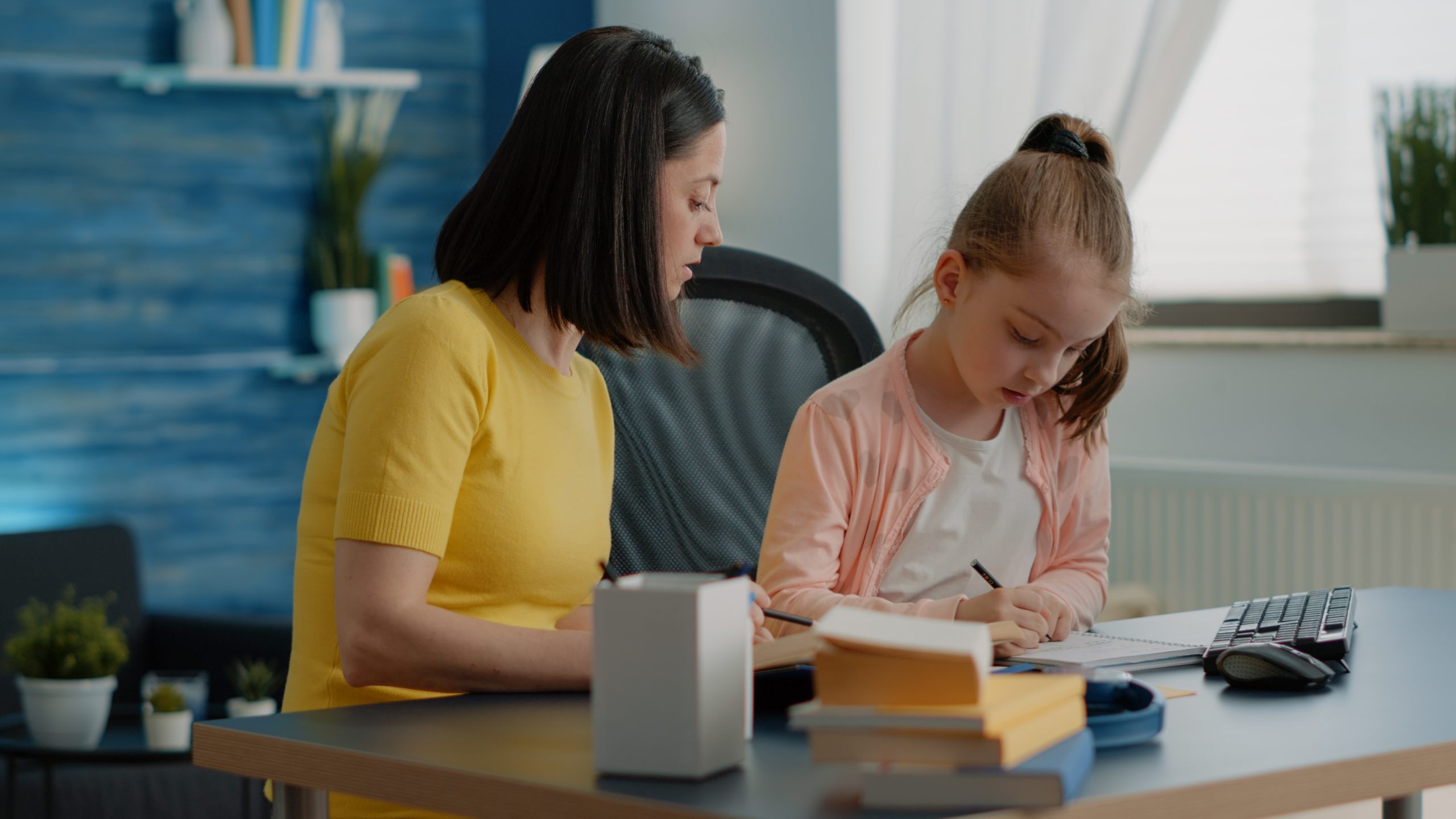
Examples of Successful Parent School Collaboration
Several schools in India and around the world have shown how strong collaboration leads to success. For instance:
- Mentorship Programs: Schools inviting parents who are professionals to guide students on career paths.
- Community Engagement: Parents volunteering in school events like science fairs or sports days.
- Career Guidance Programs: Schools and parents working together with career counselors to help students identify their strengths and future goals. UNICEF’s parenting and learning support resources highlight the importance of such programs.
Long Term Benefits of Strong Parent School Partnerships
When parents and schools collaborate effectively, the benefits extend far beyond academic performance. These include:
- Higher student confidence and resilience in facing challenges.
- Better decision making about subjects, exams, and career planning.
- Lower stress levels and healthier emotional well being for students.
- Stronger trust between families and schools, leading to long term positive outcomes.
Final Thoughts
Parent school partnerships fail when communication breaks down, expectations clash, and roles are misunderstood. But with open dialogue, respect, and joint effort, these partnerships can thrive. Students in Grades 8 to 10 need both parents and schools to guide them through critical academic and career decisions. By working together, parents and schools can give students the best environment for learning, growth, and success.