

From Marks to Meaning Why External Motivation Stops Working for Teens After Age Fourteen
Many Indian parents and teachers notice a clear shift once students enter their mid teens. A child who once studied for marks rewards or fear of punishment suddenly seems disconnected. Despite reminders tuition classes and constant pushing the motivation just does not last. This change is not laziness or rebellion. It is a natural psychological shift that happens around the age of fourteen when the brain starts seeking meaning autonomy and identity.
Why marks based motivation works early but fades later
In primary and early middle school years students respond well to external motivation. Stickers marks prizes praise and comparison all work because the brain is still learning rules and structure. The prefrontal cortex which manages decision making is still developing and children rely heavily on adult approval.
By the time students reach Class Eight or Nine something changes. Teens begin asking deeper questions about who they are and where they are going. When learning feels disconnected from real life goals marks alone stop being enough.
- Marks feel temporary and forgettable
- Rewards do not connect to personal identity
- Fear based pressure increases anxiety not effort
- Comparison lowers self confidence
The teenage brain is wired for meaning not pressure
Neuroscience research shows that during adolescence the brain areas linked to curiosity values and self direction become more active. Teens want ownership over decisions. They want to understand why learning matters not just what will be tested.
When motivation comes only from outside the brain treats learning as a task to escape rather than a skill to build. This is why many high scoring students feel lost about their future while average students with clarity often grow faster later.
What Indian parents often experience at home
Parents across Pune Mumbai and other cities share similar concerns. My child studies but has no interest. My child asks why this subject even matters. My child scores well but seems unhappy. These are not discipline issues. They are signals that the student is ready for purpose driven learning.
From marks to meaning what teens actually need
Once students cross fourteen motivation shifts from external to internal. This does not mean marks stop mattering. It means marks alone cannot drive effort. Teens need three deeper drivers.
1 A sense of direction
Students work harder when they see how learning connects to real careers and life paths. Exposure to career options and future skills builds relevance. Platforms that offer structured career guidance for students help bridge this gap.
Tools like career assessment allow students to understand strengths interests and suitable career paths early. This clarity turns learning into preparation rather than pressure.
2 Autonomy and voice
Teens need to feel heard. When students participate in choosing subjects projects or learning methods engagement increases. Even small choices like selecting topics or presentation formats can shift motivation.
AI based mentoring tools such as student guidance chatbots help students ask questions privately and explore doubts without fear of judgment.
3 Identity and purpose
Teens ask Who am I becoming This question drives behavior more than marks. When learning aligns with self image motivation becomes self sustaining.
Career exposure through role models industry insights and real job data such as career and job insights helps students imagine futures worth working toward.
Why pressure backfires after Class Eight
Excessive pressure during teenage years leads to surface learning. Students memorize forget and repeat. Creativity curiosity and decision making suffer. In extreme cases anxiety burnout and avoidance appear.
- Constant comparison reduces intrinsic drive
- Fear based study habits limit long term growth
- Lack of purpose increases confusion about careers
Educators in Pune schools increasingly recognize this shift. Many institutions now integrate structured career education alongside academics as discussed in career guidance integration in Pune schools.
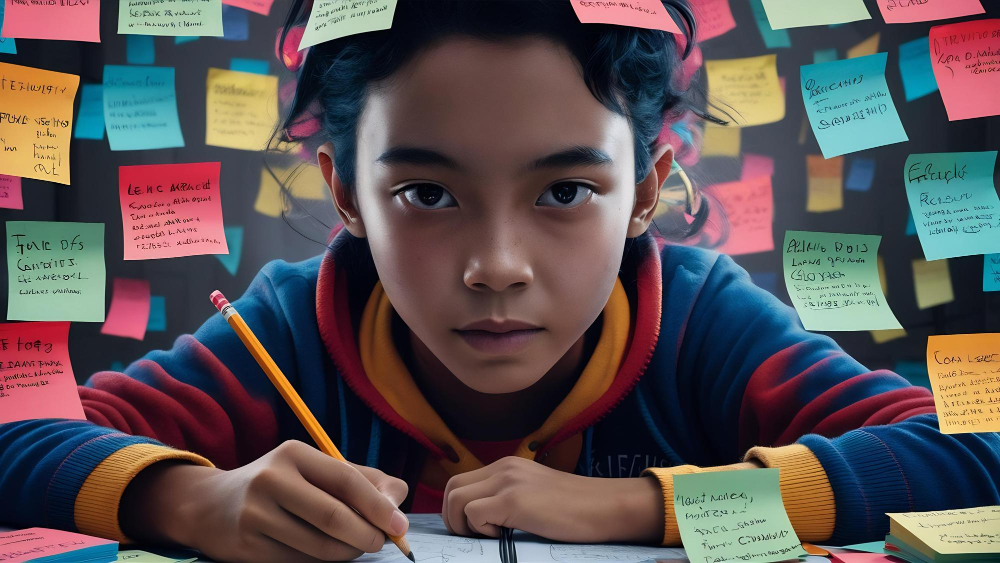
How schools and parents can shift motivation correctly
Connect subjects to real world outcomes
Math becomes meaningful when linked to finance engineering or data roles. Science comes alive when connected to health environment or technology careers. Language skills grow when linked to leadership communication and global work.
Replace constant testing with reflection
Reflection builds ownership. Asking students what they learned why it matters and how they might use it strengthens internal motivation.
Introduce guided career exploration early
Career exploration is not about choosing a job too early. It is about understanding possibilities. Tools that offer AI driven insights such as student career insights support informed decisions without pressure.
Involve mentors not just teachers
Exposure to career experts helps teens see beyond textbooks. Interactions with professionals through platforms like career expert guidance build aspiration and clarity.
What this means for career guidance in India
India is shifting from marks driven success to skill and clarity driven growth. Colleges employers and industries value adaptability decision making and self awareness. These cannot be built through pressure alone.
International research including studies from American Psychological Association confirms that intrinsic motivation leads to deeper learning better mental health and stronger career outcomes.
Parents who support meaning over marks help children build resilience confidence and direction. Schools that balance academics with career clarity prepare students for future careers not just exams.
From surviving exams to designing a future
After fourteen teens are no longer motivated by marks alone. They seek meaning identity and purpose. When education systems adapt to this shift students thrive emotionally academically and professionally.
The question is no longer how to push students harder. It is how to help them see why learning matters to their future.
If this article resonated with your experience as a parent teacher or educator share it with your network and explore more research backed insights to support student growth and career clarity.