
Why Classroom Silence Is Often Misread as Discipline And What Teachers Are Actually Missing
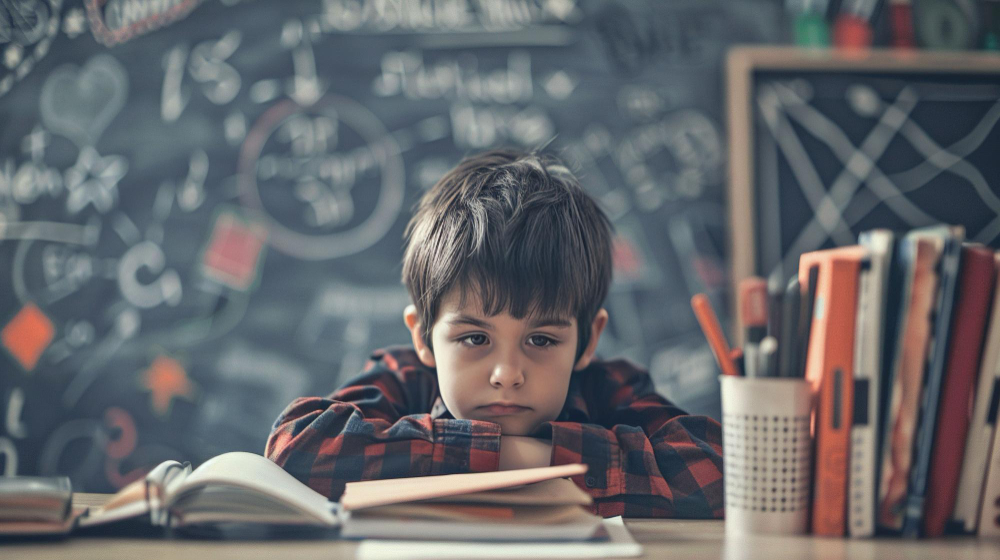
In many Indian classrooms silence is seen as a sign of success. A quiet room often earns appreciation from school leaders and reassurance for parents. It looks like discipline focus and control. But beneath this silence there is often something else happening. Many students are not calm or engaged. They are simply holding back.
For students in Class eight to ten this matters deeply. These are the years when confidence identity and decision making skills are forming. When silence is misunderstood teachers and parents may miss early signals of confusion fear disengagement or loss of curiosity.
Why Silence Feels Comfortable in Classrooms
Silence feels safe for adults. A quiet classroom is easier to manage especially in large Indian schools where one teacher handles forty or more students. Silence reduces visible chaos. It fits neatly into traditional ideas of discipline.
For decades students have been rewarded for sitting still listening quietly and not questioning authority. Many teachers were trained in the same environment. So silence feels familiar and effective.
But comfort for adults does not always mean growth for students.
The Difference Between Order and Engagement
Order is about control. Engagement is about participation. A classroom can have order without engagement. Students may copy notes memorize answers and remain silent while their minds drift elsewhere.
True engagement looks different. It includes curiosity questions small discussions mistakes and even moments of noise. These moments are signs that learning is alive.
What Classroom Silence Often Really Means
Silence is not one emotion. In Indian classrooms silence can come from many places. Understanding these reasons helps teachers and parents respond better.
- Fear of being judged by peers
- Fear of giving a wrong answer
- Language barriers especially in English medium schools
- Previous experiences of being corrected harshly
- Lack of clarity about the topic
- Low self confidence
Many students especially quiet or average performers learn early that staying silent feels safer than speaking up.
The Silent Student Is Not Always the Disciplined Student
Some of the most disciplined looking students are silently struggling. They may be confused but do not ask questions. They may disagree but do not voice it. Over time this silence turns into disengagement.
Parents often hear comments like your child is very quiet and obedient. While this sounds positive it may hide missed opportunities for growth.
How Silence Affects Learning and Confidence
When students rarely speak their thinking stays invisible. Teachers cannot see what students understand or misunderstand. Learning becomes one directional.
Over time students begin to believe that their thoughts do not matter. This affects confidence communication skills and decision making abilities.
Research in educational psychology shows that students who actively participate retain concepts better and develop stronger problem solving skills.
This is especially important for career readiness. Careers require communication clarity and confidence not just quiet compliance.
The Link Between Silence and Career Confusion
Many career counselors notice that students who stayed silent in school often struggle to express interests later. When asked about goals they respond with I do not know.
This is why early exposure to reflection dialogue and questioning matters. Tools like structured assessments help uncover hidden strengths. Platforms such as student assessments give quiet students a voice through data.
Why Teachers Miss the Signals
Teachers are under pressure. Completion of syllabus exam results and classroom management take priority. Silence feels like cooperation.
But teachers are also human. Many genuinely care and want to support students but lack tools or training to read emotional and cognitive signals.
This is where modern insights and technology can help. AI based classroom insights can highlight patterns teachers may not notice.
For example AI learning insights can show engagement trends beyond who speaks the loudest.
What Healthy Classrooms Sound Like
Healthy classrooms are not noisy all the time. They have rhythm. There are moments of listening and moments of expression.
Students ask questions. Some answers are incomplete. Teachers guide rather than correct harshly.
- Students explain ideas in their own words
- Teachers invite multiple viewpoints
- Mistakes are treated as learning moments
- Silence is used for thinking not fear
This balance builds trust and confidence.
Simple Shifts Teachers Can Try
Change does not require complete overhaul. Small shifts make big impact.
- Ask open ended questions instead of yes or no
- Allow think time before expecting answers
- Encourage written reflection for quiet students
- Acknowledge effort not just correctness
- Use small group discussions before whole class sharing

What Parents Can Look Beyond Silence
At home silence may look like compliance. But parents can gently explore more.
Instead of asking did you speak in class ask what did you find interesting today or what confused you.
If a child consistently avoids sharing thoughts it may be worth exploring guidance support. Speaking to a career expert can help uncover confidence gaps early.
Technology as a Bridge for Silent Students
Technology when used thoughtfully gives silent students alternative ways to express themselves.
Chat based learning tools allow students to ask questions without fear. Reflection based tools capture interests quietly.
For example an AI chatbot for students allows exploration without judgement.
This does not replace teachers. It supports them.
Connecting Silence to Future Choices
Silence in school years shapes how students see themselves. If they learn to stay quiet they may struggle to advocate for themselves later.
Career decisions require asking questions exploring options and expressing preferences. Early silence can limit this.
Articles such as how career narratives shape student futures highlight why early expression matters.
Globally organizations like Edutopia emphasize student voice as key to meaningful learning.
A New Way to See Silence
Silence is not the enemy. Misinterpreting it is.
When educators learn to read silence with curiosity instead of comfort classrooms transform. Students feel seen even when they are quiet.
This shift prepares students not just for exams but for life choices careers and confidence.
If this perspective resonated with you share it with educators parents or counselors and explore how we can create classrooms where every student voice matters even the quiet ones.