

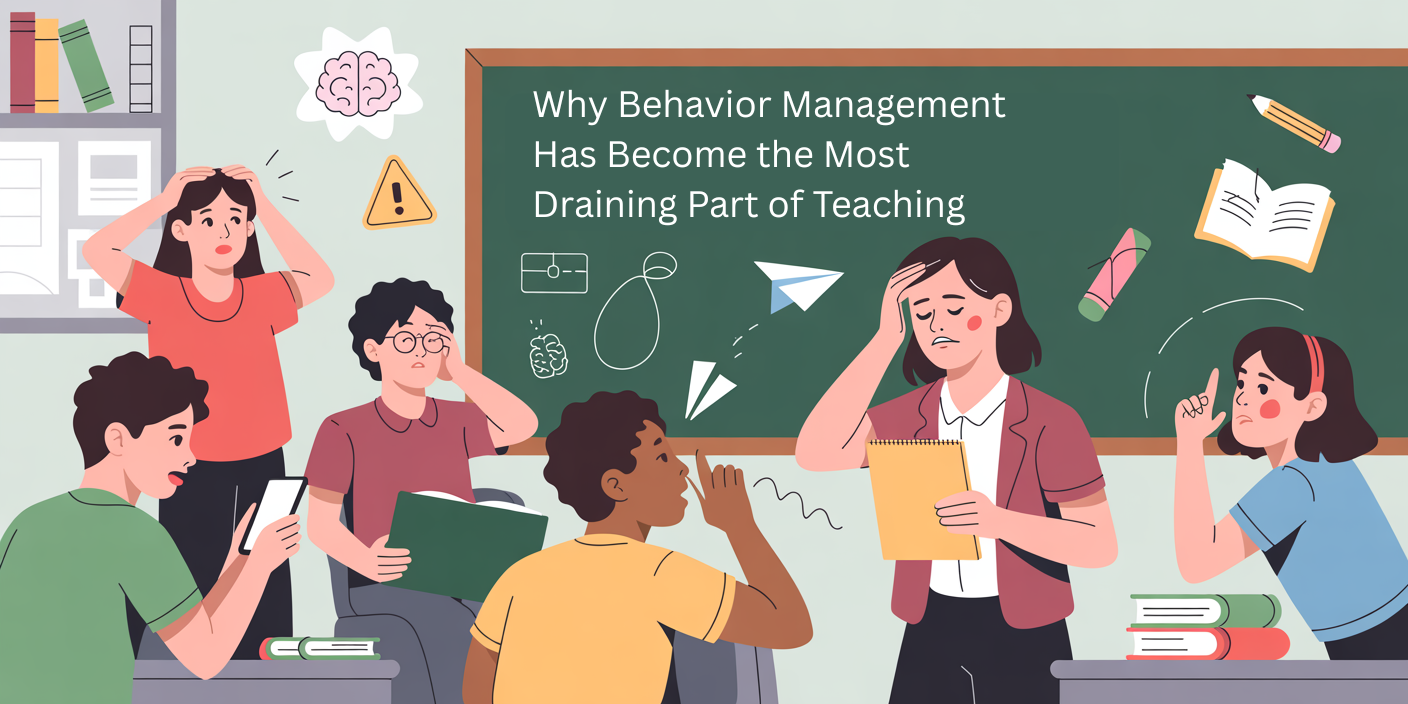
Why Behaviour Management Has Become the Most Draining Part of Teaching
Across many Indian schools teachers often say that the most exhausting part of their day is not teaching lessons or explaining concepts. It is behaviour management. Even when teachers are passionate about helping students learn they find themselves emotionally drained after handling constant classroom disruptions conflicts and attention struggles.
Parents principals and career counsellors may wonder why this challenge has grown so quickly in recent years. The answer lies in a combination of changing student environments digital distractions academic pressure and the emotional expectations placed on teachers. Understanding why behaviour management has become such a heavy responsibility helps families and schools create better learning environments for students in Classes Eight to Ten.
The Changing Classroom Environment
Classrooms today are very different from those of previous decades. Students are exposed to constant digital stimulation through smartphones videos and social media. This affects attention span patience and emotional control.
When students enter a classroom after spending hours in high stimulation digital environments it becomes harder for them to remain focused during structured learning. Teachers must spend significant time bringing attention back to the lesson.
Global education research from OECD Education Research shows that classroom discipline and behaviour challenges are among the leading causes of teacher stress worldwide. This pattern is increasingly visible in Indian schools as well.
Why Behaviour Management Feels Emotionally Draining
Handling behaviour issues is not only about maintaining order. It requires constant emotional awareness and decision making. Teachers must observe student moods anticipate conflicts and respond calmly even when situations become tense.
A teacher might manage several behaviour situations within a single class period.
- Students talking during explanation
- Conflicts between classmates
- Loss of attention due to mobile distractions
- Emotional stress among students preparing for exams
Each moment requires careful judgement. Teachers must guide behaviour without discouraging confidence. This emotional balancing act is one reason why behaviour management becomes the most draining part of teaching.
The Emotional Labour Teachers Perform Every Day
Most parents see only the academic part of a teacher role. However teachers perform significant emotional work that often goes unnoticed. They must maintain patience empathy and fairness throughout the day.
This hidden responsibility is explained in more detail in this detailed explanation about the cognitive work teachers perform in classrooms. When behaviour challenges are added to this workload emotional exhaustion increases quickly.
Teachers must also consider the long term impact of their responses. A harsh reaction may damage student confidence while ignoring a behaviour issue may encourage repetition. Every decision carries emotional weight.
Adolescence Makes Behaviour Management More Complex
Students in Classes Eight to Ten are in a stage of rapid emotional and psychological development. They are discovering independence forming friendships and experiencing academic pressure.
During this stage students often test boundaries and seek attention from peers. Behaviour changes may include
- Increased talking and social interaction
- Resistance to authority
- Emotional sensitivity
- Fear of academic failure
Teachers must guide these behaviours while still completing the syllabus. This balancing act requires emotional energy that can make behaviour management the most draining part of teaching.
How Academic Pressure Contributes to Behaviour Issues
In many Indian families academic performance carries great importance. Students preparing for board examinations often experience stress from expectations at home and school.
Stress sometimes appears as distraction frustration or disruptive behaviour. Teachers must manage these reactions while helping students stay focused on learning goals.
Parents who understand this connection can support teachers by encouraging balanced expectations and emotional support at home.
The Impact on Teacher Wellbeing
Constant behaviour monitoring can slowly reduce teacher energy. When every class requires emotional vigilance teachers may feel mentally exhausted by the end of the day.
Signs of this pressure often include
- Difficulty concentrating after school hours
- Reduced patience in challenging situations
- Feeling emotionally drained even after successful lessons
- Less time for creative teaching approaches
Supporting teacher wellbeing is essential because emotionally balanced teachers create stronger learning environments for students.
How Schools Can Support Teachers in Behaviour Management
Schools play a major role in reducing behaviour related stress. When teachers receive support systems they can focus more on teaching and less on constant discipline.
Effective school strategies include
- Clear behaviour expectations shared with students and parents
- Regular emotional wellbeing sessions for students
- Peer support among teachers
- Professional development on positive classroom culture
When behaviour expectations are consistent students feel safer and teachers spend less time on discipline.
How Technology Can Reduce Behaviour Stress
Modern educational technology can reduce teacher workload and provide better insight into student learning patterns. When teachers understand student strengths and interests they can design more engaging lessons.
For example tools like student assessment platforms help identify learning preferences while AI driven learning insights provide data about student engagement and performance.
Interactive support tools such as AI educational assistance can also help students ask questions independently which reduces classroom interruptions.
These systems help teachers focus more on meaningful learning conversations instead of constant behaviour correction.
The Role of Career Awareness in Student Behaviour
Students often become more attentive when they see a clear connection between learning and their future. Career exploration programs help students understand how classroom knowledge links to real world opportunities.
Platforms that provide career exploration such as career opportunity lists and guidance from career experts can motivate students to stay engaged in class.
When students feel inspired about their future they are less likely to display disruptive behaviour and more likely to participate actively.
How Parents Can Support Positive Classroom Behaviour
Parents are important partners in maintaining positive behaviour in schools. Small changes in daily habits can improve student focus and respect for learning.
- Encourage regular study routines at home
- Limit digital distractions before school
- Teach children to respect teachers and classmates
- Discuss emotional challenges openly
When students receive consistent guidance from both parents and teachers behaviour becomes easier to manage.
Creating Classrooms Where Learning Comes First
Behaviour management has become the most draining part of teaching because classrooms now require constant emotional awareness and attention control. Teachers are guiding not only academic learning but also emotional growth and social interaction.
When schools families and counsellors work together behaviour challenges become opportunities for growth instead of daily stress. Supporting teachers and students equally creates classrooms where curiosity and confidence replace frustration.
What are your thoughts about behaviour challenges in classrooms Share this research based article with parents teachers and school leaders and explore more insights to build positive learning environments for every student.