
When Teachers Feel Replaceable Innovation Disappears First
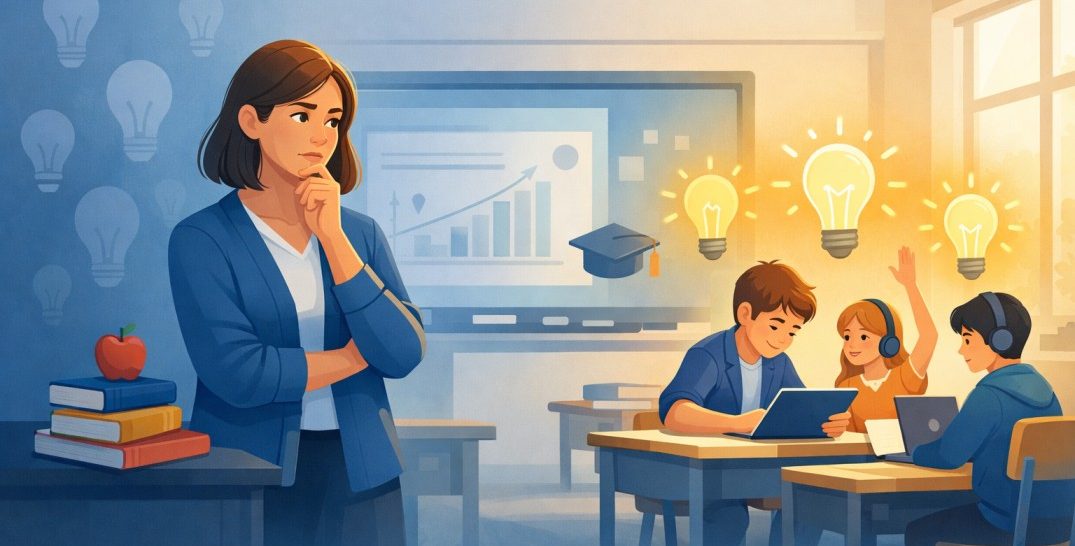
In many Indian schools teachers quietly carry a fear that is rarely spoken about. It is the feeling that they can be replaced at any time. New systems new tools and new rules arrive every year. While change is necessary the message often received is that teachers are only parts of a machine. When teachers feel replaceable creativity fades and innovation disappears first.
Parents principals and career counsellors may notice this as a lack of new ideas in classrooms or rigid teaching styles. This is not because teachers have stopped caring. It is because psychological safety has weakened. When people feel secure they experiment. When they feel replaceable they only survive.
What Does It Mean When Teachers Feel Replaceable
When teachers feel replaceable they believe their experience voice and creativity do not matter. Decisions are taken without their input. Performance is judged mainly by marks and reports. Over time teachers stop taking risks.
In Indian schools this pressure is higher because expectations from parents and management are intense. Teachers are expected to produce results while also handling emotional and social development. Yet their role is often reduced to delivering content.
- Little say in curriculum design
- High monitoring with low trust
- Focus on scores instead of growth
- Fear of being replaced by cheaper options
These signals tell teachers that innovation is risky and silence is safer.
Why Innovation Needs Emotional Safety
Innovation in education does not come from machines or policies alone. It comes from teachers trying new methods and learning from mistakes. For this they need emotional safety.
According to studies shared by OECD Education teachers who feel valued are more likely to use creative teaching strategies. Emotional safety gives permission to experiment.
When teachers feel replaceable they avoid innovation because mistakes feel dangerous. This leads to routine teaching and memorisation focused learning.
How This Impacts Students in Classes Eight to Ten
Students in Classes Eight to Ten are at a stage where curiosity and confidence shape their future choices. If classrooms feel rigid students learn to follow instead of explore.
Parents often worry that their children lack creativity. But creativity is learned from the environment. When teachers cannot innovate students rarely see problem solving in action.
This also affects career awareness. Students exposed only to textbook teaching struggle to imagine diverse futures.
Why Indian Parents Should Be Concerned
For many Indian parents education is the main path to stability. They expect schools to prepare children for a changing world. But if teachers feel replaceable schools become factories of repetition.
Parents may see short term marks but miss long term skills like critical thinking and adaptability. These skills grow only in innovative classrooms.
Understanding teacher wellbeing helps parents support systems that value growth instead of only ranking.
The Link Between Replaceability and Survival Mode
When teachers feel insecure they enter survival mode. They teach only what is tested and avoid new approaches. This is similar to what many schools experience quietly.
Early signs of this pattern are discussed in this research based article on survival mode in classrooms. It shows how fear driven environments reduce learning quality.
Survival mode may look calm on the surface but innovation is already lost.
Where Technology Can Help or Harm
Technology can support teachers or replace their confidence depending on how it is used. When tools are introduced without training teachers feel threatened.
When tools are positioned as helpers teachers feel empowered. Platforms like student assessment tools reduce routine work so teachers can focus on mentoring.
Guided systems such as AI driven insights allow teachers to personalise learning instead of fearing automation.
Support systems like educational chat assistants help answer routine queries so teachers can spend time on creative tasks.
What Principals and School Leaders Can Do
Leadership defines school culture. When leaders trust teachers innovation grows. When leaders monitor teachers fear grows.
- Invite teachers into curriculum planning
- Reward creative teaching not only results
- Provide time for collaboration
- Protect teachers from constant external pressure
These steps communicate that teachers are partners not replaceable parts.
How Career Counsellors Play a Role
Career counsellors bridge the gap between school learning and future careers. When teachers feel replaceable counsellors can restore confidence by linking classroom work to real world impact.
Access to career option libraries helps teachers show students practical pathways. Guidance from career experts reduces the pressure on teachers to know everything.
This shared responsibility supports innovation by reducing fear of failure.
What Parents Can Do to Encourage Innovation
Parents influence school culture through expectations. When parents value curiosity teachers feel safe to innovate.
- Ask about learning not just marks
- Appreciate creative teaching methods
- Support projects and discussions
- Avoid comparing teachers publicly
This sends a message that growth matters more than fear.
Why Innovation Matters for Student Futures
The world students will enter needs thinkers not memorizers. Innovation in classrooms trains students to solve new problems.
When teachers feel replaceable they teach safely. When they feel valued they teach boldly. Bold teaching produces confident learners.
This affects career readiness because students who experience innovation adapt better to change.
The Long Term Risk of Ignoring This Issue
If schools ignore the emotional side of teaching innovation will decline silently. Teachers will follow scripts and students will lose curiosity.
Education systems built on fear may show short term discipline but lose long term relevance.
Building a Culture Where Teachers Matter
Teachers do not resist change. They resist feeling invisible. When schools recognise their thinking and effort innovation returns naturally.
Trust creates ideas. Fear creates silence.
For Indian parents principals and counsellors this is a shared responsibility. Protecting teacher dignity protects student futures.
Do you see signs of fear or creativity in your school environment Share this research based article with educators and parents and explore more insights on how to build classrooms where innovation can grow.