
The Role of Siblings in Shaping Career Choices
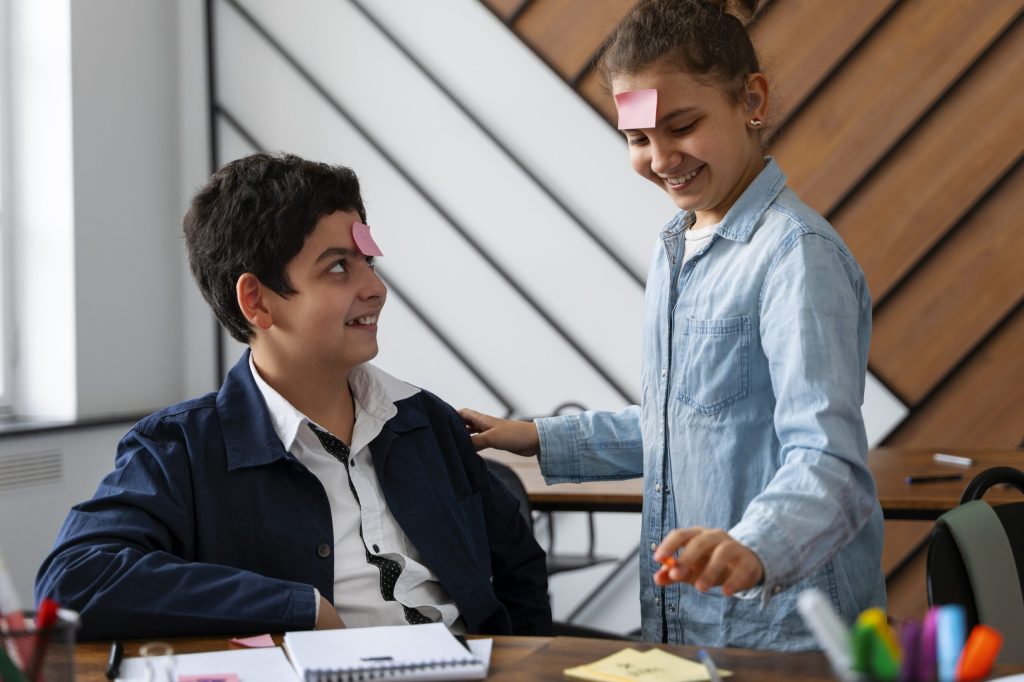
When it comes to career choices, parents and teachers often receive the most attention. However, an equally powerful influence comes from siblings. Brothers and sisters act as role models, companions, and guides, especially during the school years of Grades 8 to 10. The role of siblings in shaping career choices is often underestimated, yet it can significantly shape aspirations, ambitions, and confidence levels of students.
Why Sibling Influence Matters
Siblings play a unique role in shaping how students view themselves and the world. Unlike parents, siblings are closer in age, which means their experiences often feel more relatable. This closeness makes their career paths and academic journeys impactful for younger brothers and sisters. Research shared by American Psychological Association highlights that sibling relationships deeply affect emotional development, decision making, and confidence.
Positive Ways Siblings Shape Career Choices
Older brothers or sisters often become the first role models within a family. Their choices, successes, and failures serve as learning points for younger siblings. Some common positive influences include:
- Exposure to Careers: A sibling studying medicine, law, or engineering naturally introduces the younger one to these fields.
- Motivation to Excel: Healthy competition between siblings can push students to perform better in academics and extracurriculars.
- Guidance and Mentorship: Older siblings often provide first hand advice on exams, subject selection, and college preparation.
- Confidence Building: Having a supportive sibling boosts self belief, which is crucial for career decisions and self discipline.
- Problem Solving: Siblings help each other navigate peer pressure and academic stress.
Negative Influences to Watch Out For
While siblings can inspire, their influence can sometimes be challenging. Common issues include:
- Unhealthy Comparisons: Constant comparison with an academically strong sibling may lower confidence.
- Career Imitation: Some students follow the same path as their siblings without exploring personal interests.
- Pressure to Perform: Expectations to match or exceed a sibling’s achievements can create anxiety.
- Overshadowing: Younger children may feel their talents are overlooked if the elder sibling is highly successful.
How Parents Can Balance Sibling Influence
Parents play an important role in ensuring that sibling influence remains positive. Here are some strategies:
1. Celebrate Individual Strengths
Parents should highlight the unique skills and passions of each child rather than comparing them.
2. Encourage Independent Thinking
Guide children to explore their interests, even if they differ from their siblings’ choices.
3. Create Equal Opportunities
Ensure that every child receives equal access to coaching, extracurricular activities, and career guidance.
4. Mediate Conflicts
When sibling rivalry impacts confidence, parents should step in to maintain a healthy balance.
How Teachers and Counselors Can Help
Educators can also address sibling influences by creating an environment that encourages individuality and exploration. Some approaches include:
- Organizing career workshops where students learn about diverse opportunities beyond family influences.
- Providing one on one counseling to identify personal interests and strengths.
- Involving siblings in collaborative activities that highlight teamwork rather than competition.
- Encouraging students to research careers independently before making decisions.
Practical Activities to Guide Students
Schools and families can introduce activities that help children balance sibling influence while making informed career choices:
- Career Exploration Projects: Assign students tasks to research careers beyond family exposure.
- Interest Assessments: Use career guidance tools to identify personal strengths and align them with possible professions.
- Story Sharing: Encourage siblings to share both successes and failures to provide a realistic picture.
- Mentorship Circles: Connect students with mentors outside the family for broader perspectives. Learn more from UNICEF insights on siblings.
Sibling Role Models in Indian Families
In India, siblings often play an even more significant role due to the cultural emphasis on family. For instance, an elder brother pursuing engineering may inspire the younger sibling to consider a technical path. Similarly, an elder sister preparing for civil services examinations can become a role model for discipline and dedication. These real life examples show how deeply siblings shape aspirations in academic and career contexts.
Long Term Benefits of Sibling Guidance
When handled positively, sibling influence creates lifelong advantages:
- Stronger support systems in career and personal life.
- Shared knowledge and guidance during critical academic phases.
- Inspiration to aim higher and work harder.
- Emotional stability through mutual encouragement.
Final Thoughts
Siblings are often the first peers we interact with. Their actions, words, and achievements play a silent yet strong role in shaping career dreams. While the influence of siblings can be both motivating and challenging, with the right support from parents, teachers, and counselors, students can strike a balance. The goal is not to imitate siblings but to use their experiences as inspiration while building a career path that aligns with one’s unique talents and passions.