Beyond CBSE and ICSE: The Rise of Alternative Learning Spaces in Pune
Pune has long been a hub for educational excellence, with CBSE and ICSE schools dominating the landscape. However a new wave of alternative learning spaces is emerging across the city. Micro schools, creative learning centres, and hybrid education experiments are redefining how students in Grades 8 to 10 learn and grow. These initiatives focus on holistic development creativity critical thinking and practical skills rather than traditional rote memorization.
What Are Alternative Learning Spaces
Alternative learning spaces are educational environments that differ from conventional school systems. They emphasize personalized learning experiential methods and student led projects. Some key characteristics include:
- Flexible Class Structures: Smaller class sizes and adaptable schedules to suit individual learning paces.
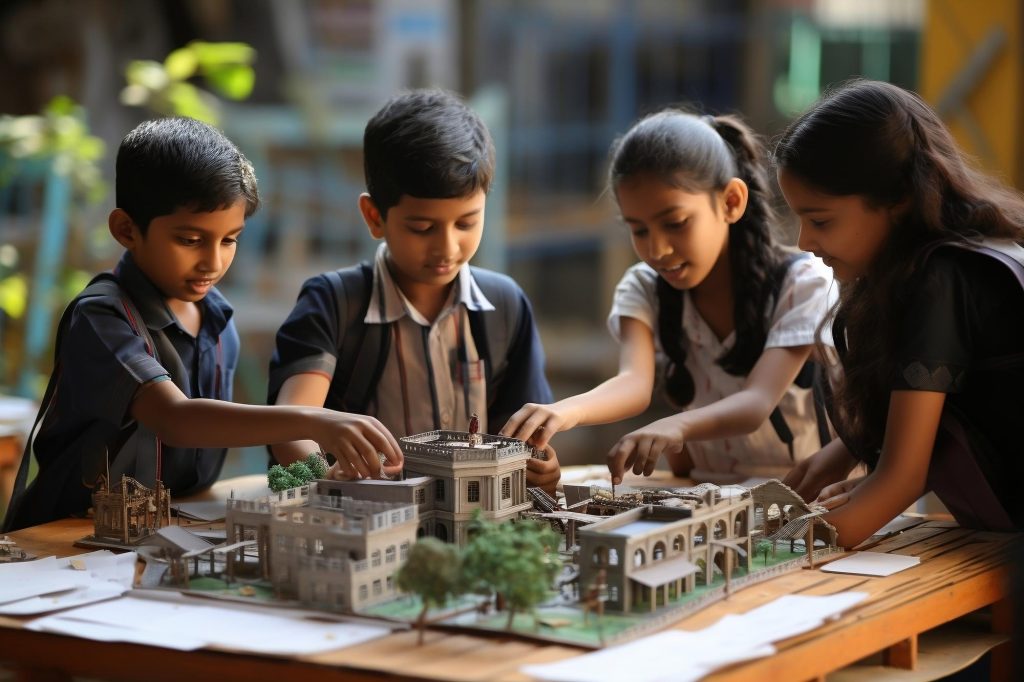
- Project Based Learning: Students engage in real world projects to understand concepts deeply.
- Integration of Technology: Hybrid models combine online resources and in person mentorship.
- Focus on Emotional Intelligence: Activities to nurture empathy collaboration and self awareness.
- Career Readiness: Emphasis on skill building that prepares students for future academic and career pathways.
Micro Schools in Pune
Micro schools are small scale educational setups usually hosting fewer than 50 students. They focus on providing personalized attention and fostering creativity. Benefits of micro schools include:
- Customized learning plans based on each student’s strengths and interests.
- Close teacher student interaction for better mentorship.
- Encouragement of student voice in decision making.
- Community based learning experiences connecting students with local experts and professionals.
Some notable micro schools in Pune include institutions like Koto School and Expedition School which focus on experiential learning for holistic development.
Creative Learning Centres
Creative learning centres provide students with environments that spark imagination curiosity and innovation. They combine arts science and technology to nurture problem solving and critical thinking. Features of these centres include:
- Hands on workshops in robotics coding art and music.
- Collaborative spaces encouraging teamwork and idea sharing.
- Mentorship from industry professionals and educators.
- Opportunities for students to present projects to peers and local community.
Examples of creative learning centres include School of Awesome and Brainy Child that blend academic learning with creativity enhancing activities.
Hybrid Education Experiments
Hybrid education blends online learning platforms with traditional classroom experiences. It allows students to access diverse resources and learn at their own pace while receiving guidance from educators. Key benefits include:
- Access to global learning content and resources.
- Flexible schedules enabling balance between academics hobbies and self directed projects.
- Opportunities for personalized coaching and mentorship online and offline.
- Integration of collaborative online projects encouraging teamwork across locations.
Institutions like Veda School and Global Learning Labs in Pune are pioneers in creating hybrid learning models for middle and high school students.
Why Parents and Educators Are Turning to Alternative Learning Spaces
There is a growing demand among parents and educators for learning experiences that go beyond traditional testing and grading. Some reasons for this shift include:
- Students require skills such as critical thinking communication and problem solving that are not emphasized in conventional curriculum.
- Smaller and focused learning environments help in addressing learning gaps effectively.
- Students become more engaged and motivated when learning is interactive and practical.
- These spaces often provide career counseling support that guides students in identifying strengths and future opportunities.
- Preparation for a rapidly changing world where adaptability and creativity are as important as academics.
Impact on Student Growth
Alternative learning spaces have a significant impact on student growth in Pune. Students report:
- Increased confidence and self directed learning habits.
- Enhanced social and collaborative skills through small group interactions.
- Exposure to real world challenges building problem solving abilities.
- Better understanding of personal strengths and career interests.
- Greater enthusiasm for learning and academic participation.
How Schools Can Adapt
Traditional schools can incorporate elements from alternative learning spaces by:
- Reducing class sizes where possible to allow personalized attention.
- Introducing project based learning and student led initiatives.
- Incorporating creative workshops and collaborative activities.
- Integrating technology for hybrid learning experiences.
- Offering mentorship and career guidance to students regularly.
Conclusion
Pune is witnessing an educational transformation with the rise of micro schools creative learning centres and hybrid education experiments. These alternative learning spaces are creating environments where students in Grades 8 to 10 can develop holistically acquire critical skills and prepare for the future. Parents educators and career counselors should explore these models to provide students with meaningful learning experiences beyond conventional CBSE and ICSE curriculum.