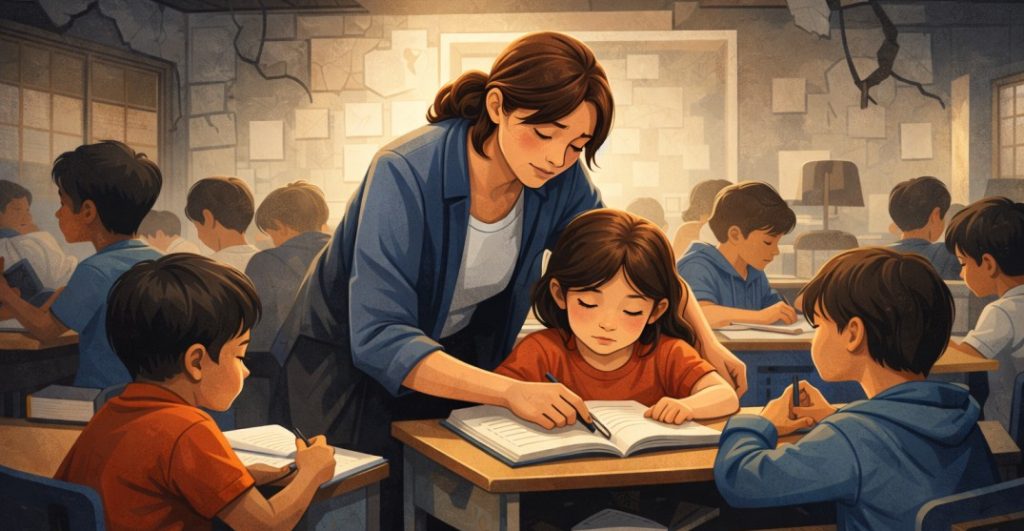
The Personalization Myth Why Schools Expect Individual Attention Without Structural Support
Across Indian schools there is a growing promise of personalized learning. Parents hear that every child will receive individual attention. Teachers are asked to adapt lessons for every learner. Principals promote this idea as a mark of quality education. Yet inside classrooms the reality looks very different. One teacher often manages forty or more students with limited time tools and support. This gap between expectation and structure creates what can be called the personalization myth.
This research based article explains why schools expect individual attention without building the systems needed to support it. It connects this issue to the real struggles of Indian parents teachers and career counselors who want students in Classes Eight to Ten to grow with confidence and clarity.
What Personalization Really Means in Schools
Personalization in education means understanding how each student learns and adjusting teaching accordingly. It includes pace of learning interests emotional needs and future goals. In theory this sounds ideal. In practice it demands time data and trained support.
Most schools ask teachers to personalize lessons without changing class size schedules or workload. The teacher is expected to notice every child’s strengths while completing the syllabus and preparing for exams.
- Different learning speeds in the same classroom
- Different family expectations and pressures
- Different career interests forming in early adolescence
- Different emotional needs during teenage years
Expecting one person to manage all this without system level support turns personalization into a myth rather than a reality.
Why Schools Promote Individual Attention
Schools promote individual attention because parents want it and students need it. In competitive academic environments families look for assurance that their child will not be lost in the crowd.
Principals also know that personalized learning improves motivation and results. Studies shared by global education bodies such as OECD show that students learn better when instruction connects to their abilities and interests.
The problem is not the goal. The problem is the structure.
The Structural Gaps Behind the Promise
Most Indian schools still follow industrial age models of teaching. One teacher one classroom one fixed syllabus. Personalization requires flexible systems not fixed routines.
Key structural gaps include lack of trained support staff limited technology for tracking progress and rigid exam driven timetables.
- Large class sizes with limited feedback time
- No dedicated hours for individual guidance
- Pressure to finish syllabus over understanding
- Few tools for career exploration and interest mapping
Without these foundations personalization becomes emotional labour for teachers instead of a designed system.
How This Affects Teachers Emotionally
Teachers are told to treat every student as unique but are judged mainly on exam scores. This creates emotional conflict. They want to help students deeply but must rush through content.
Over time this leads to guilt frustration and exhaustion. Teachers feel they are failing even when the system is the real barrier.

This struggle is closely linked to career stagnation for educators. When energy is spent managing overload there is little space for professional growth. A related perspective can be explored in this detailed discussion on teacher career challenges.
What Parents See and Misunderstand
Parents see report cards and teacher remarks. They may feel their child is not getting enough attention. Some respond with pressure on teachers. Others turn to extra tuition.
What many do not see is the structural constraint. A teacher who wants to help every student is limited by time and workload.
When parents understand this reality they can shift from blame to partnership. Instead of asking why my child alone they can ask how can we support learning together.
Impact on Students in Classes Eight to Ten
This stage of schooling shapes identity and career thinking. Students begin asking what am I good at and what should I become.
Without structured personalization students receive general advice instead of meaningful guidance. A science student who loves design or a commerce student who enjoys psychology may never hear that their interest matters.
When personalization is missing students often follow safe paths chosen by family or peer pressure rather than self understanding.
Why Technology Alone Is Not the Answer
Many schools adopt digital tools believing they solve personalization. Technology can help but only when used as part of a system.
Online tests without guidance only create more data not more understanding. Real personalization needs interpretation and human support.
Platforms that combine structured assessment with insights can reduce teacher burden. For example student assessment tools and learning insights systems help identify patterns without emotional overload.
When paired with AI based guidance support and access to career experts students receive consistent direction instead of random advice.
What Structural Support Really Looks Like
True personalization needs planned systems not heroic effort. Schools can build support in practical ways.
- Scheduled time for individual student mentoring
- Use of structured interest and aptitude mapping
- Career libraries and exploration resources such as career option databases
- Training teachers to interpret student profiles
- Shared responsibility between teachers counselors and digital tools
These changes turn personalization from expectation into design.
How Principals and Counselors Can Lead This Shift
School leaders shape culture. When personalization is treated as a process not a promise teachers feel supported.
Career counselors can integrate structured exploration instead of one time talks. Principals can protect time for guidance and reflection.
This builds trust with parents and confidence in students.
Connecting to Indian Family Aspirations
Indian parents want stability and respect for their children. They want education to open doors not close options.
When personalization is real students feel seen. They gain courage to explore paths aligned with their strengths.
This reduces fear based decision making and increases long term satisfaction.
From Myth to Meaningful Practice
The personalization myth exists because goals grew faster than systems. Schools expect individual attention without structural support. Teachers carry emotional weight without design help. Parents hope without clarity.
By redesigning roles using guided tools and building shared responsibility schools can make personalization practical rather than symbolic.
When systems support people everyone benefits teachers students and families.
Do you believe schools should redesign how they offer individual attention Share this research based article with parents and educators and explore more insights to build supportive learning systems for young learners.