The Hidden Trade Offs Teachers Make to Keep Classrooms Stable
In schools across India teachers work every day to keep classrooms calm focused and productive. Parents often see the results as smooth lessons disciplined students and steady academic progress. What remains unseen are the difficult choices teachers make quietly to maintain this stability. These choices are not part of any official training manual yet they shape how learning happens for students in Classes Eight to Ten.
This research based article explains the hidden trade offs teachers make to keep classrooms stable. It connects these realities to the expectations of Indian parents principals and career counselors who want strong academic results without realizing the emotional and professional cost carried by educators.
What Classroom Stability Really Means
Classroom stability is more than silence or neat rows of desks. It includes emotional balance predictable routines and trust between students and teachers. Stability helps students feel safe enough to ask questions and make mistakes.
For teachers stability means preventing conflict managing energy levels and keeping attention focused on learning. This is especially important in Classes Eight to Ten where students face pressure from board exams peer influence and future career decisions.
According to global education research shared by UNESCO stable classrooms improve academic outcomes and student wellbeing. However stability often depends on invisible compromises made by teachers.
The Emotional Trade Off Between Discipline and Connection
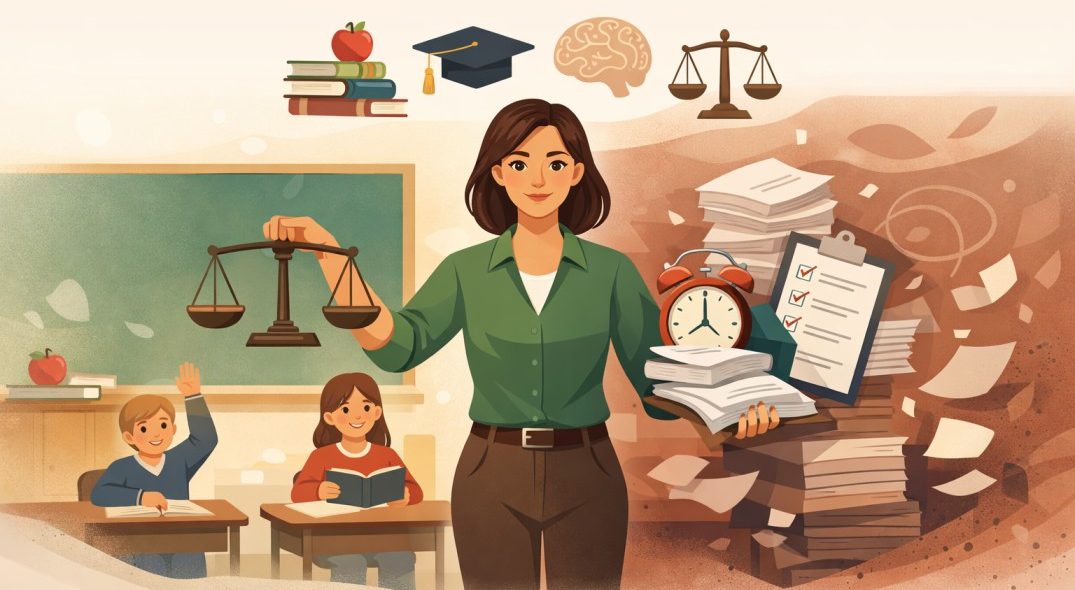
One major trade off teachers face is between strict discipline and emotional connection. Too much strictness can create fear. Too much softness can lead to loss of control. Teachers constantly balance these two forces.
In Indian schools discipline is closely linked to respect. Many teachers suppress their own emotions to appear firm even when they want to listen more deeply. This protects classroom order but reduces personal connection.
- Choosing control over conversation to avoid chaos
- Ignoring small emotional signals to finish syllabus targets
- Maintaining authority instead of showing vulnerability
These choices keep classrooms stable but limit emotional openness. Over time this can affect student trust and teacher wellbeing.
The Time Trade Off Between Teaching and Administration
Another hidden trade off is time. Teachers want to spend more time on lesson quality and student guidance. Instead they handle paperwork reports and digital records.
This reduces the time available for creative teaching and personal feedback. Stability is maintained through routine rather than innovation.
Parents may see homework checked and tests conducted on time. They rarely see the late evenings spent updating records or responding to parent messages. The trade off is less emotional energy for students the next day.
How This Affects Students in Classes Eight to Ten
Students in these grades need guidance not just content. They are confused about subjects careers and self identity. When teachers are overloaded they rely more on textbooks and less on discussion.
- More focus on notes and less on exploration
- More tests and fewer conversations
- More rules and fewer personal interactions
This keeps classrooms stable but limits curiosity and independent thinking.
The Trade Off Between Fairness and Flexibility
Teachers also balance fairness with flexibility. Treating every student the same feels fair. Adjusting for individual needs feels humane. Stability often demands sameness.
In large Indian classrooms flexibility can look like favoritism. To avoid complaints teachers apply uniform rules even when students need different support.
This creates emotional safety for the group but emotional distance for individuals. Students who struggle silently may feel invisible.
Why Parents Often Misread These Trade Offs
Parents want discipline and academic success. They trust teachers to manage classrooms efficiently. What they may not see is how stability is maintained through emotional restraint.
Many parents believe that strict teachers are effective teachers. In reality effective teachers constantly adjust between care and control.
Understanding this helps parents communicate more supportively instead of only demanding higher marks.
How Career Counselors See a Different Impact
Career counselors notice long term effects. Students from rigid classrooms often hesitate to explore options. They fear making mistakes.
Balanced classrooms produce students who ask questions and reflect on their strengths. Stability without flexibility leads to compliance not clarity.
Insights from structured tools such as student assessment systems and career insight platforms help reduce guesswork for teachers and counselors. These tools support decision making without adding emotional load.
Technology Can Reduce Some Trade Offs
Digital systems can handle routine tasks so teachers focus on students. For example learning chat support answers basic questions while teachers manage deeper guidance.
Career information systems such as career option libraries help students explore futures without burdening teachers with repeated explanations.
This reduces the trade off between order and engagement.
Principals Shape the Size of These Trade Offs
School leadership decides how much pressure teachers carry. When principals focus only on discipline and exam scores teachers suppress creativity.
When leaders value wellbeing teachers feel safe to experiment and connect. This reduces the emotional cost of stability.
Access to expert guidance through platforms such as career expert networks also shares responsibility for student futures.
A Link Between Data and Emotional Load
Many classroom decisions are made without data. Teachers rely on instinct and experience. This increases emotional pressure.
Data driven guidance reduces uncertainty and emotional strain. This idea is explored further in this research based article on data alignment.
When decisions feel supported teachers worry less about mistakes and students benefit from clarity.
What Indian Families Can Learn From These Trade Offs
Families want disciplined classrooms and caring teachers. Both require compromise. Understanding the hidden trade offs builds empathy.
- Support teachers instead of only questioning them
- Encourage children to share classroom feelings
- Value learning quality not just marks
This reduces pressure and increases cooperation.
Toward Healthier Classroom Stability
True stability comes from balance. Order without fear. Structure with flexibility. Authority with empathy.
Teachers should not have to sacrifice emotional health to maintain control. Systems must support rather than stretch them.
When stability is built on understanding instead of suppression classrooms become spaces of growth not tension.
The Future of Stable Classrooms in India
As education evolves classroom stability will depend more on smart systems and shared responsibility. Teachers parents counselors and technology must work together.
This reduces hidden trade offs and creates visible progress for students.
A stable classroom should not depend on silent sacrifice. It should grow from thoughtful design and shared care.
Do you believe classrooms can stay disciplined without exhausting teachers Share this article with your school community and explore more research based insights to support balanced learning environments.