
The Hidden Damage of Peer Comparison in Schools How It Shapes Student Ambition Without Anyone Noticing
In many Indian classrooms success looks simple. Rank lists marks announcements and constant comparison quietly define who is ahead and who is behind. What often goes unnoticed is how peer comparison slowly shapes a student ambition self belief and long term career thinking. For students in Class eight to ten this invisible pressure can influence not just performance but identity.
Why Peer Comparison Feels Normal in Indian Schools
Peer comparison is deeply woven into school culture. From early years students hear statements like top five students lowest marks highest scorer and best section. These messages may seem harmless or even motivating but over time they send a powerful signal that worth is relative.
Parents want security. Teachers want measurable outcomes. Schools want results. In this environment comparison becomes the easiest language of progress. Yet for adolescents whose brains are still forming this constant measuring against peers can quietly distort ambition.
How the Teenage Brain Responds to Comparison
Between ages thirteen and sixteen the brain becomes highly sensitive to social evaluation. Approval rejection and status matter more than ever. When students constantly compare themselves to classmates the brain links self worth with external ranking rather than internal growth.
The emotional impact often looks like this
- High achievers feel anxious about losing position
- Average students stop trying because they feel invisible
- Late bloomers assume they are not capable
This is not a motivation problem. It is a design problem in how learning environments reward comparison over curiosity.
The Silent Shift in Student Ambition
One of the hidden effects of peer comparison is how ambition narrows. Instead of asking what am I curious about students begin asking what gets approval fastest.
This is why many Indian parents notice a pattern. Their child once loved drawing building or exploring ideas but by Class nine only talks about marks streams and safe options. Ambition becomes defensive rather than exploratory.
Common outcomes seen in schools
- Students choose subjects based on peer trends not interest
- Risk taking and creativity reduce sharply
- Career dreams feel borrowed rather than owned
This is also where confusion about career options and best career options begins to grow quietly.
Why Comparison Affects Career Decisions Early
By Class ten many students already believe certain careers are only for toppers. Others assume some paths are not respectable enough. These beliefs often come from watching peers not from understanding themselves.
Platforms offering structured career assessment and reflective tools can help students step away from comparison and towards clarity.
When students explore career paths based on strengths interests and personality they begin to detach ambition from peer pressure.
What Parents in India Often Observe at Home
Many parents in Pune and other cities share similar concerns. My child studies but lacks confidence. My child compares constantly. My child feels demotivated even with decent marks.
These are not discipline issues. They are signals of emotional overload created by comparison culture.
Signs parents should not ignore
- Fear of failure even in low risk tasks
- Over attachment to marks and ranks
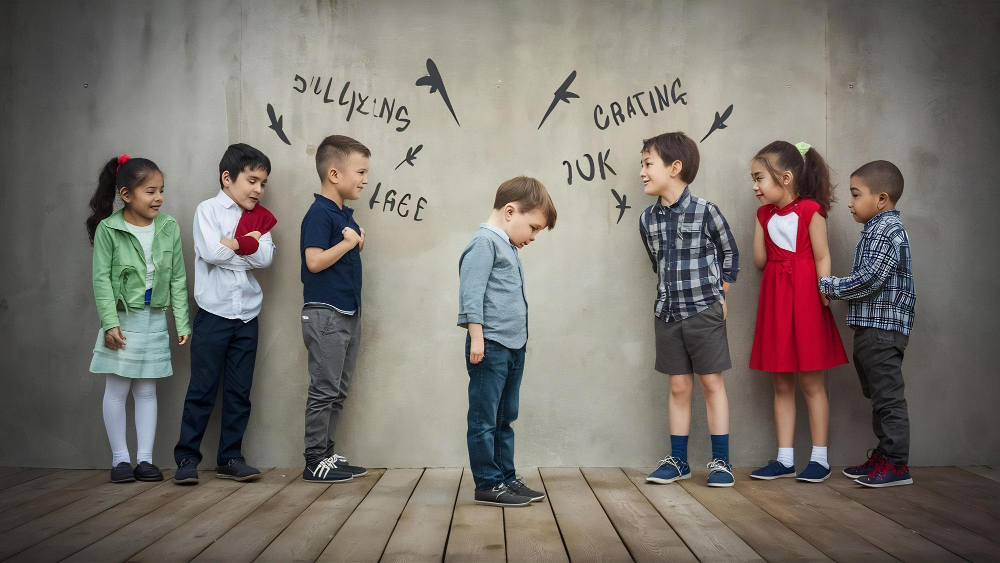
- Avoidance of activities where peers may outperform
At this stage guidance should focus on self understanding not more pressure.
The Role of Teachers and School Leadership
Schools shape ambition through what they celebrate. When only toppers are highlighted others quietly disengage. Progressive schools are now experimenting with growth based recognition.
Several educators involved in mentorship programs in Pune report better student confidence when comparison is replaced with reflection and mentoring.
Healthy alternatives schools can adopt
- Progress portfolios instead of rank boards
- Peer collaboration over competition
- Mentor check ins focused on effort and learning
How Technology Can Reduce Harmful Comparison
When used thoughtfully technology can shift focus inward. AI based tools allow students to track personal growth without public ranking.
Solutions like AI driven insights and guided reflection chatbots help students ask better questions about themselves rather than comparing with others.
This supports healthier career exploration and long term career development.
Research Backing the Impact of Comparison
Global research consistently shows that excessive peer comparison increases anxiety and reduces intrinsic motivation among adolescents.
A useful overview can be found through educational psychology research shared by organizations like the American Psychological Association which highlights how social comparison shapes adolescent self concept.
Helping Students Rebuild Healthy Ambition
The goal is not to remove standards but to redefine success. Healthy ambition grows when students understand their strengths values and evolving interests.
Access to experienced mentors such as career experts helps students see beyond classroom competition and into real world possibilities.
Simple shifts that make a big difference
- Ask what did you learn not what did you score
- Celebrate effort consistency and improvement
- Expose students to diverse careers and stories
A Hopeful Direction for Schools and Families
When comparison loses its grip students rediscover curiosity. They engage more deeply. They make wiser decisions about subjects streams and future work.
Parents and educators across India especially those seeking career counselling in Pune are increasingly looking for ecosystems that support identity not just performance.
Ambition shaped by self understanding lasts far longer than ambition shaped by rank.
If this perspective resonated with you share it with a fellow parent or educator and explore more research driven insights on student growth and career clarity.