
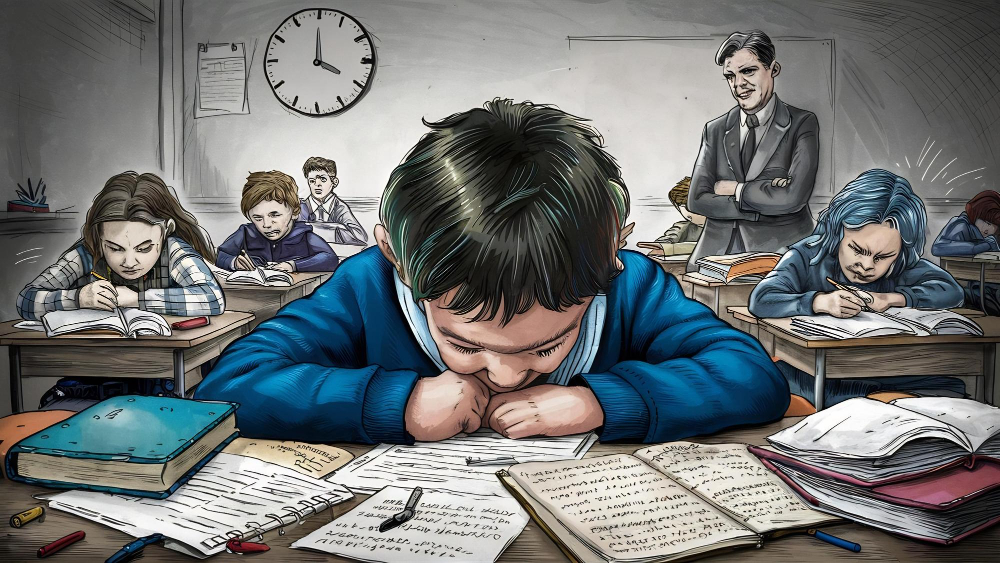
The Hidden Emotional Labour of Teaching Why Educators Feel Drained Even When Students Behave Well
In many Indian schools teachers often hear a familiar comment from parents and leaders. Students are well behaved results are stable and classrooms look calm. Yet behind this surface calm many educators feel emotionally exhausted by the end of the day. This exhaustion is not always caused by discipline issues or workload alone. It comes from something deeper and often invisible called emotional labour.
Understanding emotional labour in teaching helps parents principals and counselors better support educators. It also explains why emotionally safe classrooms matter as much as academic planning especially for Class eight to ten students navigating identity pressure exams and career decisions.
What Is Emotional Labour in Teaching
Emotional labour refers to the effort required to manage ones emotions while supporting the emotions of others. In teaching this means staying calm patient encouraging and empathetic regardless of personal stress or classroom realities.
A teacher may feel worried tired or overwhelmed but still needs to show confidence warmth and control. Over time this constant emotional regulation becomes draining even when students are respectful and cooperative.
- Managing student anxiety before exams
- Supporting students with low confidence or self doubt
- Handling parent expectations with patience
- Maintaining motivation despite limited resources
- Balancing administrative pressure with student needs
Why Good Behaviour Does Not Reduce Teacher Fatigue
Many assume that disciplined classrooms mean relaxed teachers. In reality emotionally demanding classrooms are often the quiet ones. Teachers spend mental energy anticipating student reactions monitoring moods and ensuring emotional safety.
For adolescents especially those between thirteen and sixteen teachers become emotional anchors. They absorb stress related to marks peer comparison parental pressure and future uncertainty. This explains why even smooth classrooms can feel heavy by evening.
The Invisible Roles Teachers Play Daily
- Listener to student fears and confusion
- Motivator during academic burnout
- Mediator in peer conflicts
- Emotional buffer between parents and students
- Role model for calm decision making
These roles rarely appear in job descriptions yet they define daily teaching life across many Indian schools including some of the best schools in Pune for holistic development.
The Emotional Cost of Teaching Adolescents
Class eight to ten is a sensitive phase. Students question identity struggle with confidence and worry about careers. Teachers often sense emotional shifts before students express them openly.
This constant alertness creates emotional fatigue. Educators carry concerns home replay conversations and worry about students long after school hours.
Common Signs of Emotional Drain in Educators
- Feeling tired despite fewer teaching hours
- Loss of enthusiasm for lessons once enjoyed
- Emotional numbness or irritability
- Difficulty switching off after school
- Reduced sense of impact despite effort
Why Emotional Safety in Classrooms Matters
Research consistently shows that emotionally safe classrooms improve focus memory and learning outcomes. When teachers are emotionally supported they create environments where students feel secure to ask questions make mistakes and grow.
This aligns closely with insights shared in emotional safety in classrooms drives effective learning which highlights how emotional wellbeing directly affects academic performance.
Parents often notice this impact at home. Students taught by emotionally balanced teachers show better confidence communication and clarity about future choices.

How Technology Can Reduce Emotional Load on Teachers
While technology cannot replace human connection it can reduce repetitive emotional strain. Tools that support assessment feedback and guidance allow teachers to focus on meaningful interactions.
- Structured assessments reduce guesswork
- Career clarity tools ease student anxiety
- Data insights support informed conversations
Platforms like student assessment systems and AI driven learning insights help teachers understand student needs without emotional overextension.
Supporting Career Related Emotional Stress
Career uncertainty is a major source of adolescent stress. Teachers often carry this burden without formal tools. Access to career experts and structured career exposure resources reduces pressure on educators.
This support allows teachers to guide rather than carry the full emotional weight of student decisions.
What Parents and School Leaders Can Do
Emotional labour reduces when teachers feel seen supported and trusted. Small changes create large impact.
- Acknowledge emotional effort not just results
- Reduce unrealistic expectations
- Create safe spaces for teacher reflection
- Share responsibility for student wellbeing
- Encourage professional emotional support
Parents can help by viewing teachers as partners rather than pressure points. Principals can lead by modeling empathy and balance.
Why This Conversation Matters Now
Across India teacher burnout is rising quietly. When educators feel emotionally drained learning quality suffers even if marks remain stable. Addressing emotional labour protects both teachers and students.
Globally research from organizations like Edutopia and OECD education research emphasizes teacher wellbeing as a foundation for student success.
Indian schools have an opportunity to lead by recognizing emotional labour as real work worthy of care and support.
If this article resonated with you share it with a teacher parent or school leader. Join the conversation on how we can support educators better and create emotionally healthy classrooms for every student.