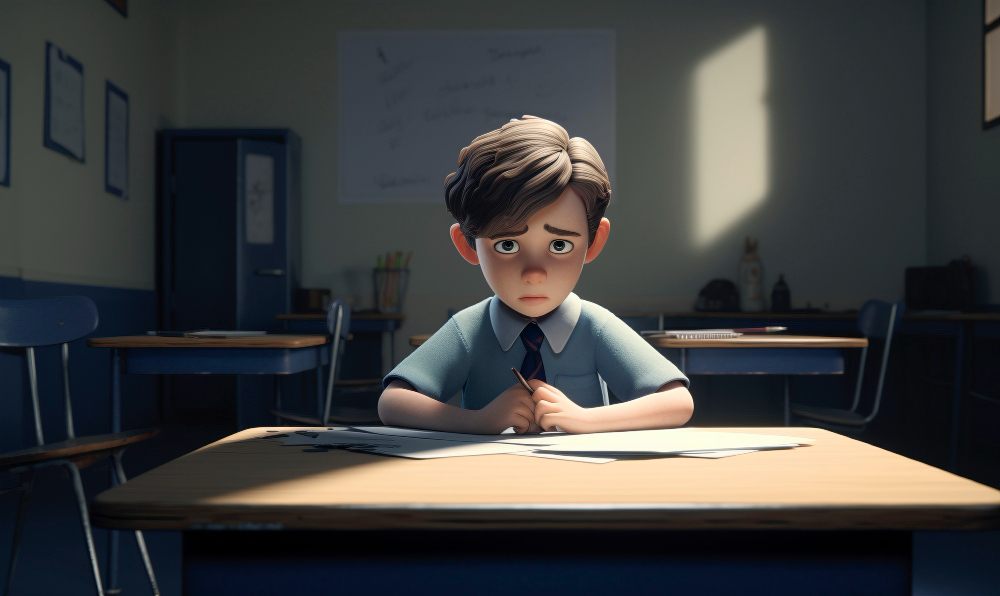
Survival Mode in Classrooms Early Warning Signs Schools Often Ignore
Across many Indian schools teachers and parents notice a strange change in student behaviour. Children attend class but their eyes look tired. They complete work but show little curiosity. Discipline problems rise and motivation drops. This is often called survival mode. It is a state where students and sometimes teachers focus only on getting through the day instead of learning deeply. This research based article explains what survival mode looks like inside classrooms and why schools often miss the warning signs.
What Survival Mode Really Means in Education
Survival mode is not laziness or lack of ability. It is a mental state triggered by constant pressure and emotional overload. When the brain feels unsafe or overwhelmed it shifts into protection mode. Learning becomes secondary.
For students in Classes Eight to Ten this stage is especially risky. They are preparing for board exams and thinking about careers. If their mind is stuck in survival mode they may memorise but not understand. They may obey rules but not develop confidence.
According to global child development research shared by UNICEF emotional safety is a key condition for learning. Without it attention and memory suffer.
Early Warning Signs Teachers Often Miss
Survival mode does not appear suddenly. It builds slowly. Many signs look normal at first which is why schools ignore them.
- Students stop asking questions
- Frequent headaches or stomach aches
- Sudden drop in class participation
- Over obedience without interest
- Anger or emotional shutdown
Parents may think their child is becoming responsible. Teachers may think discipline is improving. In reality the student is switching off emotionally.
Why Indian Classrooms Are Vulnerable
In India education is deeply connected to family pride and financial security. Students feel pressure not only from exams but from expectations at home and school. Large class sizes also make emotional support difficult.
Teachers manage syllabus deadlines parent meetings and administrative work. Emotional needs of students are often treated as extra rather than essential.
When a classroom focuses only on marks and speed students learn to survive instead of explore.
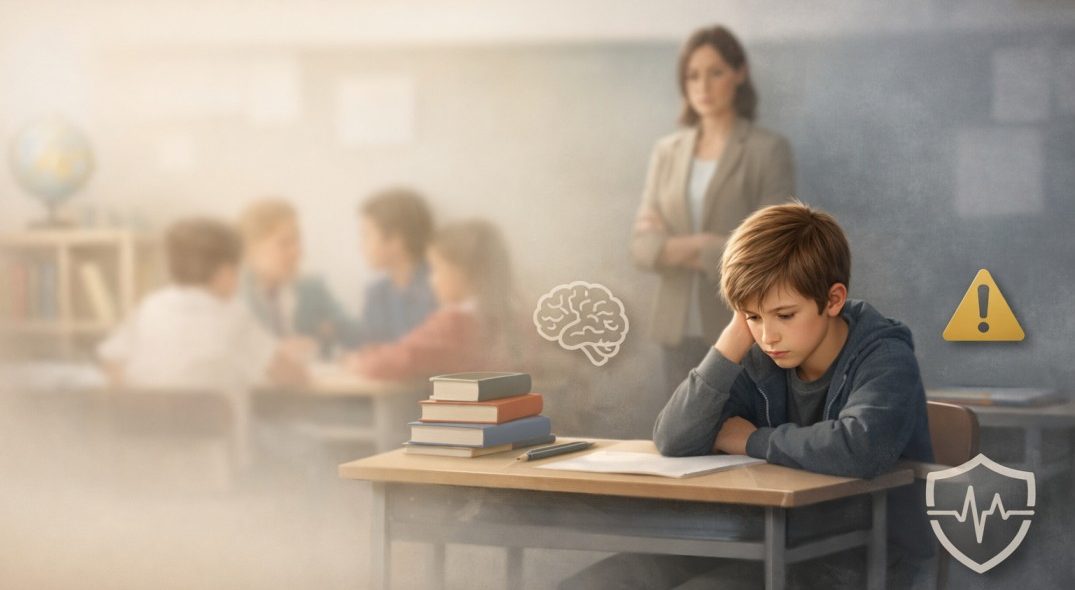
How Survival Mode Affects Learning and Career Choices
A student in survival mode chooses safety over interest. They avoid subjects they fear. They pick careers based on pressure not passion. This creates long term dissatisfaction.
Career counsellors often see this pattern. Students say they do not know what they like. The real issue is they have not felt safe enough to explore.
Tools like student assessments and AI based insights help identify stress patterns early so guidance can be more supportive instead of reactive.
Hidden Causes Schools Rarely Discuss
Constant Evaluation
Weekly tests and ranking systems keep students alert but also anxious. There is little space to fail safely.
Lack of Psychological Safety
Students fear judgment from peers and teachers. They hide confusion instead of asking for help.
Rigid Teaching Styles
When lessons allow only one right answer students stop experimenting.
This connects strongly with insights from this research based discussion on psychological safety.
What Parents Can Observe at Home
Parents often notice small changes first. These signs deserve attention.
- Child studies but seems emotionally flat
- Fear of making mistakes
- Loss of interest in hobbies
- Sleep issues during school days
These behaviours are not attitude problems. They are signals of overload.
How Schools Can Shift from Survival to Growth
Schools do not need expensive programs to make change. Small shifts in culture help greatly.
- Create safe spaces for questions without punishment
- Reduce public comparison of marks
- Encourage reflective learning not only memorisation
- Train teachers to notice emotional signals
Digital tools can support this shift. Support systems like student guidance chat tools and access to career experts reduce fear around asking questions.
Role of Career Counsellors in Breaking Survival Mode
Career counselling should not start only in Class Ten. Early guidance helps students feel in control of their future.
When students see multiple career paths through tools like career option libraries they feel less trapped by marks alone.
This restores curiosity and long term motivation.
Why Ignoring These Signs Is Risky
Survival mode leads to burnout before adulthood. Students lose trust in education. Teachers feel frustrated. Parents feel helpless.
If emotional safety is restored learning becomes natural again. Confidence replaces fear.
Building Classrooms That Support Minds Not Just Marks
Education should prepare children for life not only exams. Recognising survival mode is the first step.
When schools listen to emotional signals they protect future careers and mental health together.
Have you noticed signs of survival mode in your school or home Share this article with educators and parents and explore more research based insights to build emotionally safe classrooms for every child.