Students Do Not Suddenly Drop Performance Schools Miss the Slow Decline
Many parents and teachers feel shocked when a student who was performing well suddenly starts scoring low marks. It feels like the change happened overnight. But in reality students do not suddenly drop performance. The decline begins slowly and quietly over weeks or even months. Schools and systems often miss these early warning signals because they focus only on final results instead of continuous patterns.
For students in Classes Eight to Ten this phase is especially important. These years shape confidence study habits and career direction. When early signs are ignored the gap becomes harder to recover. This article explains how students do not suddenly drop performance and what parents principals teachers and career counsellors can do to identify and address the slow decline.
Why Performance Decline Feels Sudden But Is Not
When report cards show a sudden drop it feels alarming. But marks only reflect the final stage of a deeper process. Before marks fall students go through small changes in behaviour attention and motivation.
The reason this feels sudden is because most schools measure performance at fixed intervals. Weekly tests or term exams capture results but not the gradual shift happening every day.
According to research from OECD Education student performance is influenced by long term engagement patterns rather than single test events. This means small disengagement signals are more important than final scores.
Early Warning Signals Teachers Often Miss
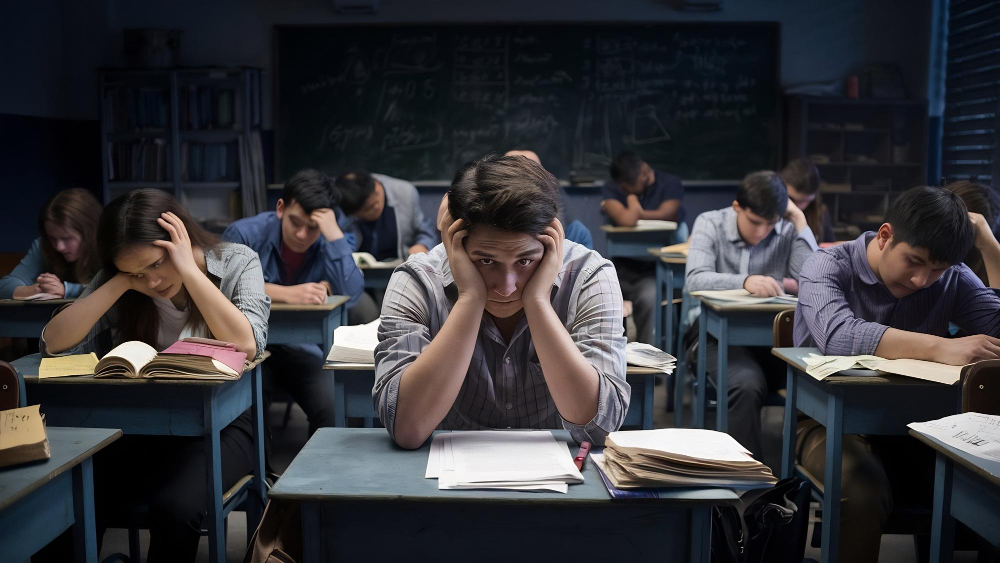
There are clear signs that show a student is slowly losing grip. These signs are easy to miss because they do not look serious at first.
- Slight decrease in class participation
- Incomplete homework or rushed submissions
- Reduced curiosity or fewer questions
- Avoiding eye contact or interaction
- Small drop in attention during lessons
Each of these may seem normal occasionally. But when they repeat consistently they signal that students do not suddenly drop performance but slowly disconnect from learning.
The Role of School Systems in Missing the Decline
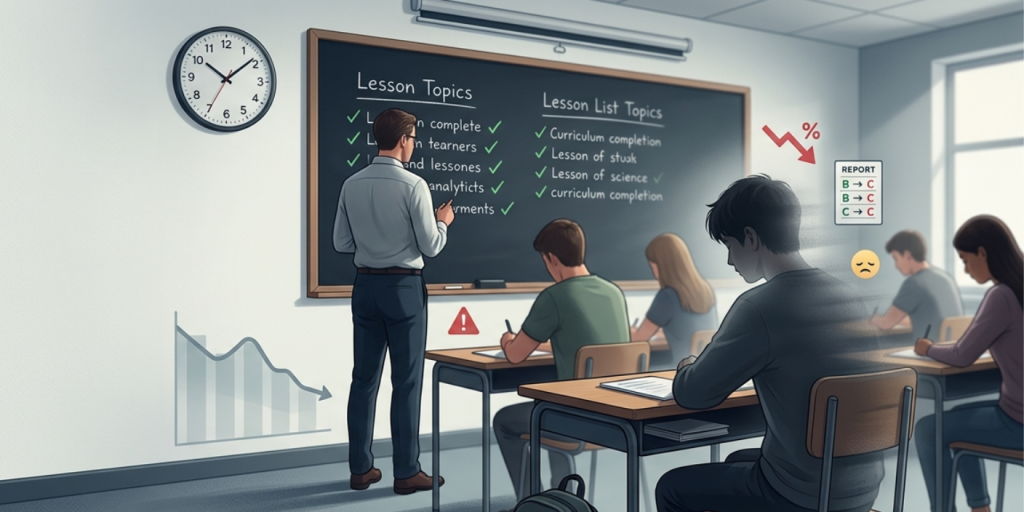
Most school systems are designed around syllabus completion and exam results. This leaves little room for tracking emotional and behavioural changes.
Teachers manage large classrooms and tight schedules. It becomes difficult to observe every student deeply. As a result slow decline patterns go unnoticed.
This is similar to insights discussed in why focusing only on syllabus completion affects learning. When systems prioritize speed over understanding students who fall behind quietly remain invisible.
Emotional Factors Behind Slow Performance Drop
Academic decline is rarely just about studies. Emotional factors play a major role. Students in Classes Eight to Ten face peer pressure identity questions and future uncertainty.
When they feel confused or overwhelmed it reflects in their focus and performance. They may not express it directly. Instead it shows through reduced engagement.
- Fear of failure or comparison
- Lack of clarity about future goals
- Pressure from parents or expectations
- Low confidence after small mistakes
These factors slowly weaken academic consistency which again proves that students do not suddenly drop performance.
Why Parents Often Notice It Late
Parents usually notice performance changes only when marks drop significantly. Daily behaviour changes are harder to detect at home because parents have limited time with children.
Many Indian parents focus strongly on results because they connect education with stability and success. This makes it easy to miss the early signals and react only at the final stage.
By the time the issue becomes visible the student may already feel discouraged.
How Technology Can Help Track Early Signals
Modern tools can help schools and parents identify patterns early. Instead of waiting for exams continuous insights can highlight changes in behaviour and performance.
Platforms like student assessment tools track progress regularly and show small variations. AI driven insights can detect patterns that humans may miss.
These tools do not replace teachers but support them in understanding students better. They make it easier to act before the situation becomes serious.
The Importance of Career Clarity in Performance Stability
One major reason for slow decline is lack of direction. When students do not see a connection between studies and their future they lose interest gradually.
Career guidance helps students understand why learning matters. Access to career options and guidance from career experts can increase motivation.
When students have clarity they are more likely to stay engaged and consistent.
What Teachers Can Do Differently
Teachers play the most important role in identifying early signals. Small changes in approach can make a big difference.
- Observe patterns instead of isolated incidents
- Encourage open communication in class
- Give feedback focused on effort not just marks
- Create a safe space for questions and mistakes
These practices help teachers respond early and prevent deeper decline.
How Parents Can Support Early
Parents do not need to wait for report cards to take action. Small daily conversations can reveal a lot about a child’s mindset.
- Ask about what they learned not just marks
- Notice mood and interest levels
- Avoid comparison with other students
- Encourage effort and curiosity
These habits help detect early signals and support children emotionally.
Building a System That Does Not Miss the Slow Decline
Schools need to move from reactive systems to proactive systems. This means tracking engagement regularly and supporting students before problems grow.
Support tools like AI support systems can answer student doubts instantly and reduce frustration. Combined with teacher observation this creates a strong support network.
When systems are designed to notice patterns early the belief that students do not suddenly drop performance becomes part of everyday practice.
A More Human Way to Understand Performance
Performance is not just about marks. It reflects confidence clarity and emotional stability. When schools and families understand this they shift from pressure to support.
Students need to feel seen and understood not just evaluated. When early signals are noticed and addressed they regain confidence quickly.
This approach creates stronger learners and more positive classrooms.
Have you noticed small changes in your child or students that later affected performance Share your experience in the comments and explore more insights to support better learning journeys.