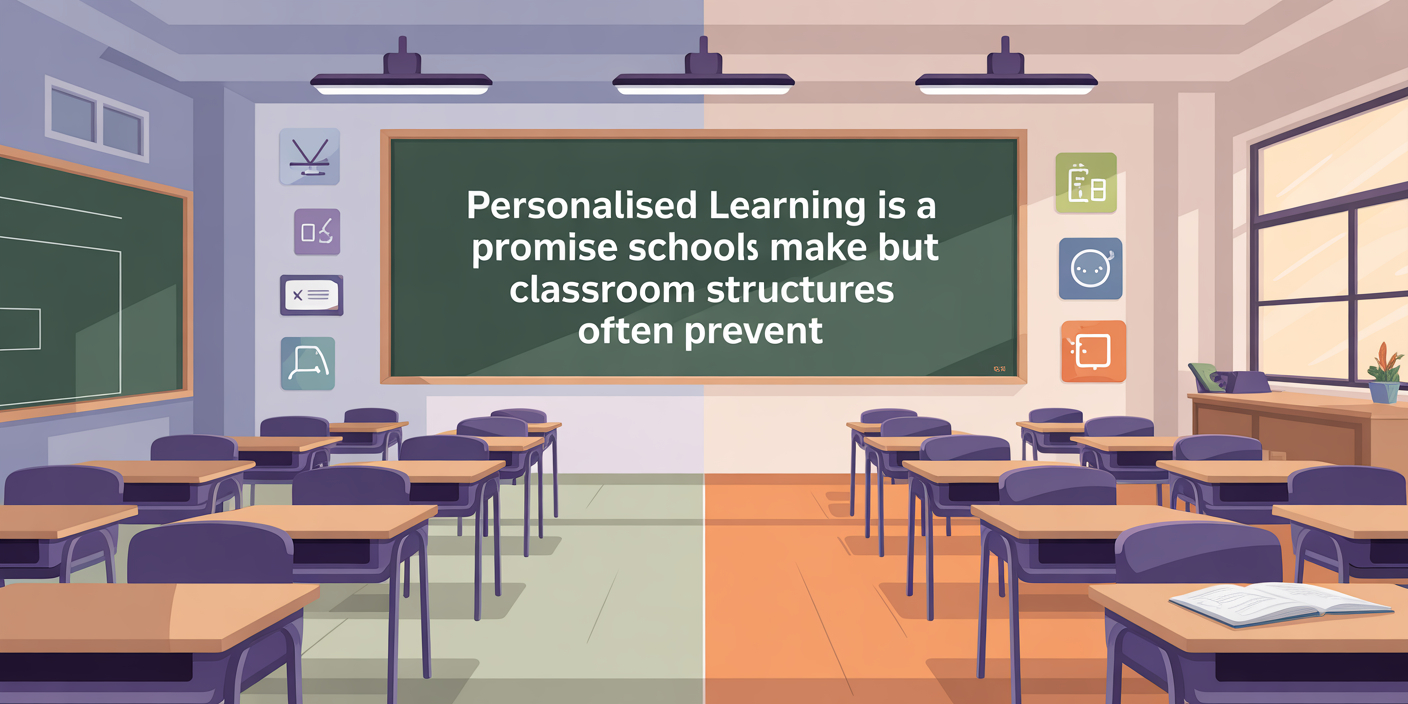
Personalised Learning Is a Promise Schools Make but Classroom Structures Often Prevent
Across India many schools proudly speak about personalised learning. Parents hear that every child will receive attention based on their strengths interests and pace of learning. It sounds inspiring and hopeful. But inside many classrooms the daily structure of schooling quietly makes this promise difficult to achieve.
Teachers want to support every learner. Principals want better outcomes. Parents want their children to feel confident and capable. Yet the classroom system often forces teachers to move at one speed for everyone. This creates a gap between the promise of personalised learning and the reality students experience.
This research based article explores why classroom structures often prevent personalised learning and what parents educators and school leaders can do to bring learning closer to each child.
What Personalised Learning Really Means
Before discussing the challenges it is important to understand the meaning of personalised learning. It does not simply mean giving different worksheets to students. Real personalised learning focuses on understanding how each student learns best.
For students in Classes Eight to Ten this approach becomes especially important. These years shape subject interest career awareness and confidence in decision making.
- Learning at a pace suited to individual ability
- Encouraging curiosity and independent thinking
- Providing guidance based on student strengths
- Helping students explore future career interests
Global research from OECD education studies highlights that personalised learning improves student motivation and long term academic engagement. Yet many school systems struggle to implement it consistently.
Why Traditional Classroom Structures Limit Personalised Learning
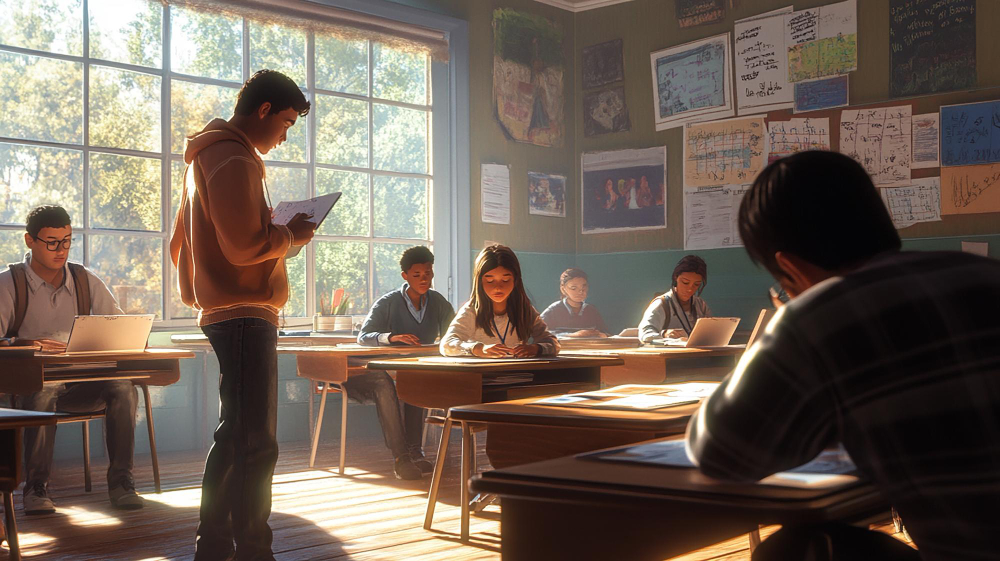
Most classrooms in India follow a traditional structure. One teacher stands in front of a group of thirty to forty students and delivers the same lesson at the same speed. While this system helps cover syllabus targets it leaves little room for individual learning differences.
Imagine a classroom where some students understand a topic quickly while others need more explanation. The teacher must continue with the planned schedule. Slowing down too much risks falling behind the syllabus. Moving faster leaves some learners confused.
This structure creates a silent learning gap. Students who struggle may lose confidence. Students who grasp concepts quickly may feel bored.
Common Structural Barriers in Schools
- Large class sizes that limit individual attention
- Strict syllabus timelines
- Assessment systems focused only on exam scores
- Limited time for personal feedback
These barriers do not exist because teachers lack dedication. They exist because the structure of schooling was originally designed for uniform instruction rather than personalised learning.
The Pressure Teachers Experience Every Day
Parents often expect teachers to understand every child deeply. While teachers genuinely try to do this the reality of classroom workload makes it challenging.
Teachers must complete syllabus requirements manage classroom behaviour communicate with parents and prepare students for examinations. In such a system personalised attention becomes difficult even for the most committed educators.
Another research based discussion on teacher workload can be explored in this article on behaviour management challenges in schools. It highlights how daily pressures can reduce the time teachers spend on individual guidance.
Why Parents Often Feel Confused
Parents today are more aware than ever before. They want their children to discover their interests and develop confidence in learning. When a school promises personalised learning parents expect visible changes in classroom experience.
However the structure of school timetables and exam preparation often limits flexibility. As a result parents sometimes feel that the promise of personalised learning remains only an idea.
Understanding this gap helps parents support schools in creating practical solutions instead of placing all responsibility on teachers.
How Technology Is Supporting Personalised Learning
Educational technology has opened new possibilities for understanding student learning patterns. Digital platforms can analyse strengths weaknesses and learning preferences more quickly than manual observation.
For example tools like student assessment platforms help teachers identify areas where each learner needs support. Instead of relying only on exam marks teachers can see deeper learning insights.
Advanced systems such as AI powered learning insights analyse patterns across subjects and help educators guide students more effectively.
Even simple support tools like AI based educational chat support allow students to ask questions outside classroom hours without waiting for the next lesson.
Personalised Learning and Career Awareness
Students in Classes Eight to Ten are entering a stage where career curiosity begins to develop. Personalised learning plays a crucial role in helping them explore different possibilities.
When students understand their interests they make more confident subject choices in higher classes. This reduces confusion and stress during career planning.
Access to structured career guidance through career expert guidance or exploring opportunities through career exploration libraries helps students connect classroom learning with future goals.
Simple Changes Schools Can Make
Personalised learning does not always require massive reforms. Small thoughtful changes can bring meaningful improvement in how students experience learning.
- Allow flexible learning activities within lessons
- Encourage student reflection on strengths and interests
- Use diagnostic assessments to identify learning gaps
- Create opportunities for project based learning
- Integrate career awareness discussions into subjects
These steps gradually transform the classroom from a uniform system into a more responsive learning environment.
The Role of Principals and School Leaders
School leaders influence how learning systems evolve. When principals prioritise personalised learning teachers receive the freedom to experiment with new approaches.
Encouraging collaboration among teachers also helps. Sharing classroom experiences and strategies allows educators to learn from one another and improve learning outcomes for students.
Leadership that values teacher wellbeing and student curiosity creates the foundation for true personalised learning.
Why This Matters for the Future of Students
Education is not only about completing textbooks. It is about preparing young minds for a rapidly changing world. Students who experience personalised learning develop stronger problem solving skills and confidence in decision making.
For Indian families this matters deeply. Parents want their children to discover meaningful careers and contribute positively to society. Personalised learning helps students recognise their potential instead of comparing themselves constantly with others.
When classrooms move closer to this vision education becomes more joyful and meaningful.
Bringing the Promise Closer to Reality
Personalised learning is not an unrealistic dream. It is an achievable goal when schools parents and educators work together to rethink classroom structures.
By combining thoughtful teaching practices with supportive technology schools can gradually bridge the gap between promise and reality.
Every student deserves to feel seen understood and supported in their learning journey. When personalised learning becomes a real classroom experience students grow not only academically but also emotionally and creatively.
If this article helped you reflect on how personalised learning can shape student futures share it with fellow educators and parents and explore more insights that support better learning environments for every child.