
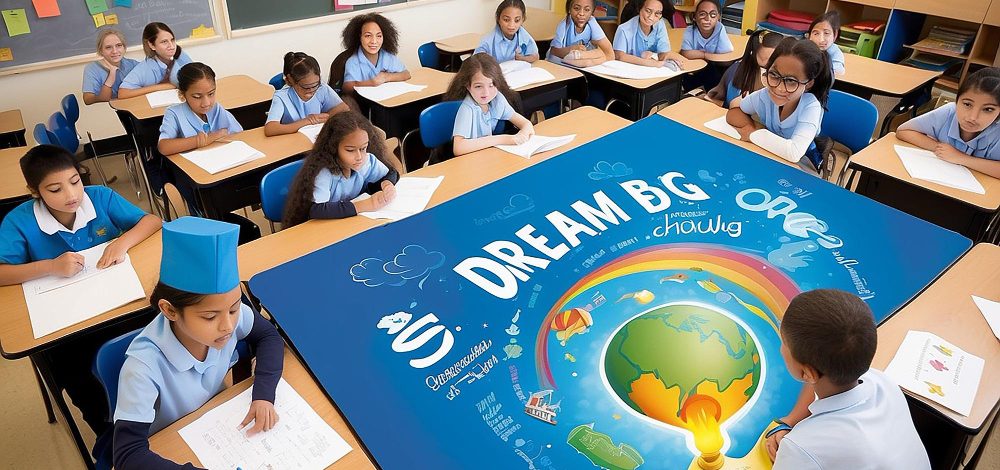
Innovation in Schools Sounds Great Until Teachers Face Rigid Academic Calendars
Across India conversations about innovation in schools are becoming common. Education conferences discuss creativity digital learning and project based classrooms. Parents hear about modern teaching ideas and expect schools to adopt them quickly. Yet inside many classrooms teachers quietly struggle with a major barrier. The academic calendar is often so rigid that real innovation becomes difficult.
When every week is packed with syllabus targets tests administrative tasks and reporting deadlines teachers have little room to experiment with new learning methods. This is not because teachers lack creativity. In fact many educators want to try new ways to engage students. The challenge lies in a system where time flexibility is limited.
For parents principals and career counsellors guiding students in Classes Eight to Ten this issue matters deeply. These years shape curiosity confidence and career awareness. If innovation is blocked by rigid schedules students miss opportunities to explore their interests and strengths.
Why Innovation in Schools Matters for Modern Students
Students today grow up in a fast changing world. Careers in technology design sustainability and digital media are expanding rapidly. Traditional teaching methods that focus only on memorisation cannot fully prepare students for these opportunities.
Educational research from organisations like OECD Education shows that students learn better when teaching includes creativity collaboration and real world problem solving. These approaches help students develop critical thinking and confidence.
For Indian students especially in Classes Eight to Ten this stage is crucial. They begin thinking about future streams subjects and careers. Innovative teaching approaches such as projects discussions and career exploration activities help them understand their strengths.
However these methods require time flexibility. When school calendars are tightly controlled teachers struggle to include such experiences.
The Reality of Rigid Academic Calendars
Most schools operate on detailed yearly calendars. These schedules include syllabus completion timelines examination weeks activity days and administrative tasks. While planning is important rigid scheduling can unintentionally limit creative teaching.
Teachers often feel pressure to complete chapters quickly because assessments are approaching. Even if a class becomes deeply interested in a topic the teacher may not have time to explore it further.
This creates a common classroom experience where curiosity appears but disappears quickly because the timetable moves forward.
- Strict syllabus completion targets
- Frequent testing cycles
- Limited time for project based learning
- Heavy documentation and reporting
All these factors reduce the freedom teachers need for meaningful innovation.
Why Teachers Often Feel Trapped Between Creativity and Deadlines
Teachers frequently attend training sessions that encourage creative learning strategies. Workshops promote group discussions hands on activities and interdisciplinary lessons. These ideas sound inspiring and many teachers want to try them.
Yet when they return to school the academic calendar quickly takes control. Chapters must be completed before tests. Worksheets must be graded. Reports must be submitted.
This situation creates an emotional conflict. Teachers know innovative learning benefits students but they also feel responsible for finishing the syllabus.
Over time this tension discourages experimentation. Teachers begin following the safest routine because it ensures syllabus completion.
Impact on Students in Classes Eight to Ten
Students in middle and secondary school are naturally curious. They ask questions about technology environment careers and society. Innovative teaching methods allow these questions to grow into deeper learning.
However rigid schedules often limit these opportunities. When teachers rush through topics students focus mainly on exam preparation rather than exploration.
This can affect long term motivation. Students may perform well in exams but feel unsure about their interests and career directions.
Parents sometimes interpret this confusion as lack of focus. In reality the system may not provide enough time for exploration.
Why Parents Should Understand the Calendar Challenge
Parents want schools to provide modern education and strong academic results at the same time. Both goals are important but balancing them requires realistic expectations.
When parents demand constant testing or quick syllabus completion schools become more cautious about experimenting with new teaching methods.
Understanding the calendar challenge helps parents support teachers who want to create meaningful learning experiences.
Encouraging curiosity based activities and project discussions at home can also help students explore ideas beyond exam preparation.
How Principals Can Encourage Innovation Without Disrupting Structure
School leadership plays a crucial role in balancing structure and creativity. A well designed academic calendar can include flexible spaces for innovation.
- Dedicated project weeks during the term
- Interdisciplinary learning sessions
- Teacher collaboration periods
- Career exploration activities
These adjustments do not require removing academic goals. Instead they create opportunities for deeper learning.
When teachers feel supported by leadership they are more likely to introduce creative teaching strategies.
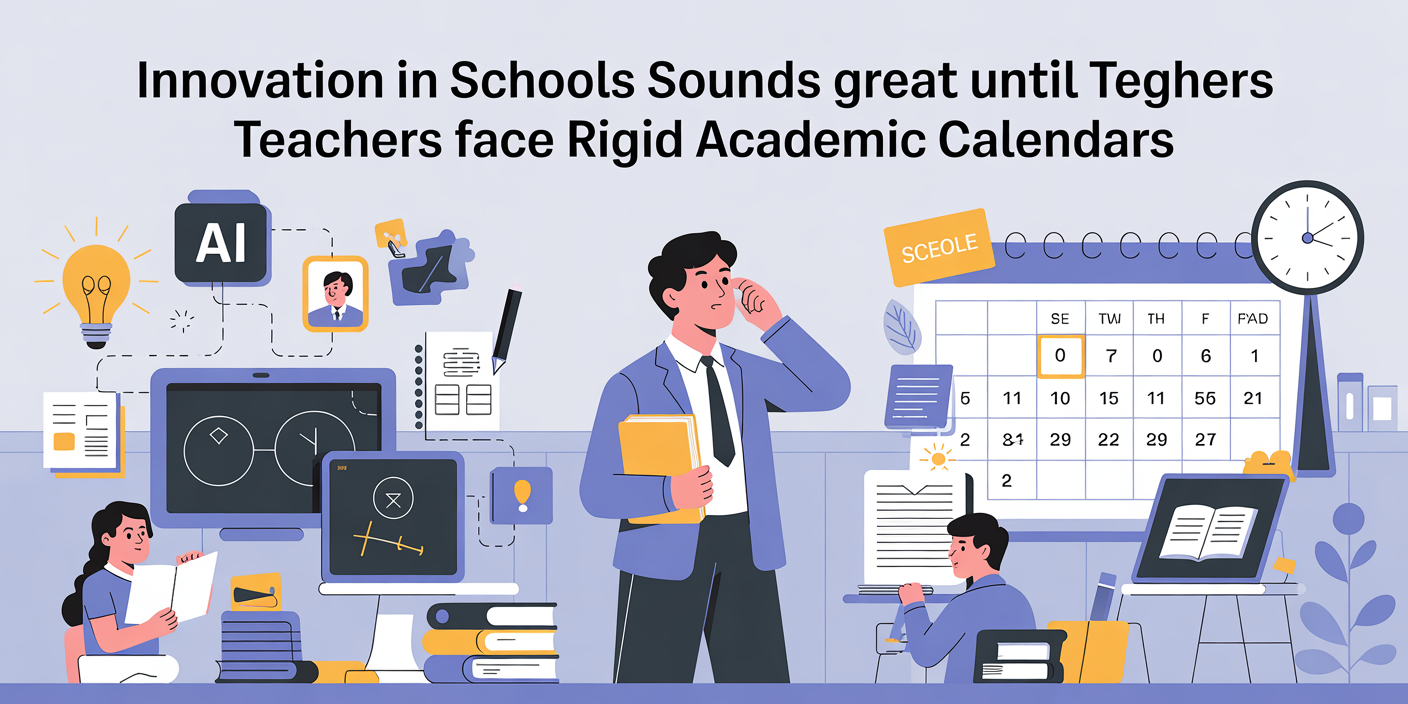
The Role of Technology in Supporting Flexible Learning
Technology can help schools manage curriculum while still encouraging innovation. Digital platforms simplify assessments provide learning insights and reduce administrative workload.
For example tools like student assessments and AI driven insights allow teachers to understand student strengths quickly. This saves time that can be used for creative activities.
Support systems such as AI chatbot support and access to career experts also help teachers guide students without carrying every responsibility alone.
Students can explore multiple professions through resources like career option libraries which connect classroom learning with real world opportunities.
Connecting Innovation to Career Awareness
Innovation in teaching is not only about making lessons fun. It also helps students understand future career paths.
When teachers use creative methods such as projects research activities and discussions students see how knowledge connects to real professions. A science lesson might lead to curiosity about environmental careers. A mathematics activity might spark interest in data science.
These connections are especially valuable for students in Classes Eight to Ten who are starting to think about their future studies.
Without innovation learning often feels disconnected from real life.
Another Challenge Teachers Face in Modern Schools
Rigid calendars are only one part of the challenge. Teachers are also expected to handle multiple responsibilities beyond teaching.
A deeper discussion on this issue can be explored in this detailed explanation about how excessive responsibilities affect education quality.
When responsibilities increase while time flexibility decreases innovation naturally becomes difficult.
Building a Balanced Academic Calendar for the Future
A balanced calendar does not remove structure. Instead it blends structure with flexibility.
- Clear academic milestones for syllabus completion
- Flexible learning periods for projects and discussions
- Regular career awareness sessions
- Time for teachers to collaborate and plan innovative lessons
When these elements exist together schools can maintain academic excellence while encouraging curiosity.
Looking Ahead for Indian Education
India is moving toward a future where education focuses on creativity critical thinking and career awareness. Achieving this vision requires more than new policies or technology. It requires thoughtful calendar design that supports innovative teaching.
Parents principals teachers and counsellors must work together to create learning environments where curiosity has space to grow.
When academic calendars allow flexibility teachers gain confidence to experiment and students experience education that feels meaningful and inspiring.
If this insight about innovation in schools resonates with your experience share your thoughts with fellow educators and parents and explore more resources that help create balanced and future ready learning environments for students.