
How to Talk Careers With a Teen Who Says I Don’t Know
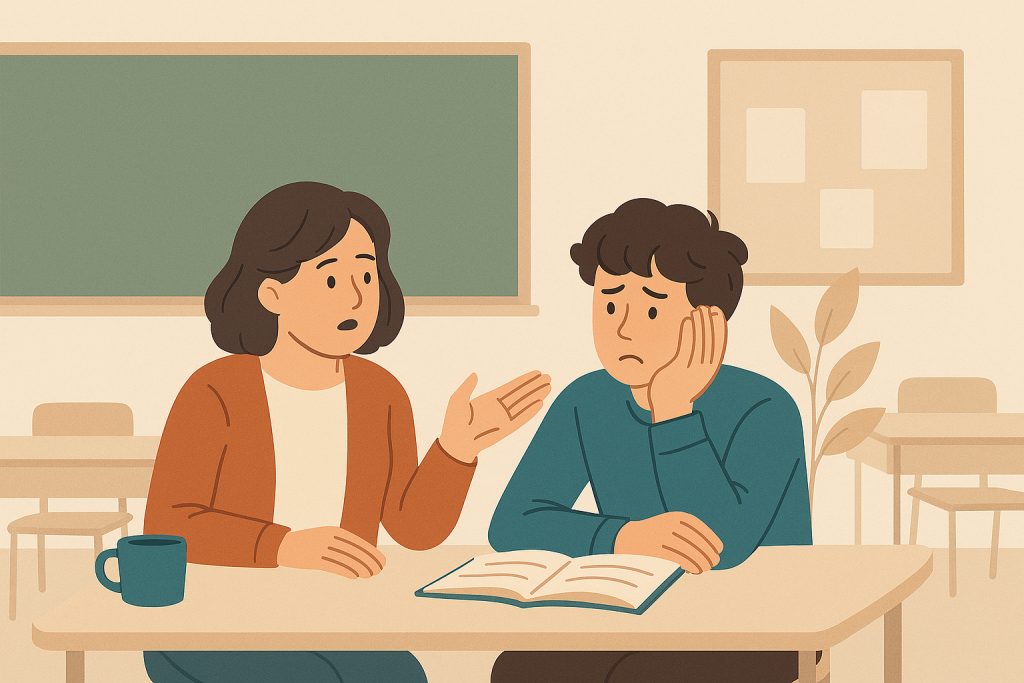
When you ask a teenager about their career goals, the most common response is often “I don’t know.” This does not mean that your child or student lacks ambition. It means they are still figuring out who they are, what they enjoy, and what possibilities exist for them. Talking about careers with teens can feel overwhelming for parents, teachers, and even counselors, but with the right approach, you can make this conversation meaningful and empowering.
Why Teens Often Say I Don’t Know
Before guiding students toward careers, it is important to understand why uncertainty is natural in this phase of life. Some of the reasons include:
- Lack of Awareness: Many students are not exposed to the wide range of careers available beyond the familiar options like doctor, engineer, or teacher.
- Peer and Parental Pressure: The influence of friends or expectations from parents can create confusion rather than clarity.
- Limited Experience: At this age, students have not had enough exposure to real-world jobs and industries.
- Fear of Failure: Some teens avoid answering because they feel their choice might be judged or criticized.
- Changing Interests: What excites them today may change tomorrow, leaving them unsure of long-term decisions.
How Parents and Teachers Can Start the Conversation
Instead of pressuring students to pick a definite career path, try to open conversations that spark curiosity. Here are some strategies:
1. Focus on Strengths and Interests
Ask your teen about their favorite subjects, hobbies, or activities. Even if they enjoy something small like drawing, coding, or debating, it could be an early sign of a career direction. For example, a student who loves storytelling might thrive in media or communication fields.
2. Share Real Life Examples
Talk about your own career journey, including the challenges and lessons you faced. Share stories of relatives, friends, or professionals who found their path in unexpected ways. For instance, many people working in early childhood education started by simply enjoying working with kids during volunteering programs.
3. Encourage Exploration
Guide students toward exploring different options instead of demanding one perfect answer. Encourage them to attend career workshops, participate in internships, or explore short courses online. Platforms like Coursera and edX offer free resources where they can try different subjects.
4. Ask Open Ended Questions
Instead of asking “What career do you want?” try questions such as:
- “What activities make you lose track of time?”
- “If money was not an issue, what kind of work would you enjoy?”
- “Which school subject excites you the most?”
Practical Ways to Guide Teens Toward Career Clarity
Helping teens find direction is not about giving them ready made answers. It is about giving them tools to discover themselves. Here are some effective approaches:
- Career Assessments: Use personality and aptitude tests designed for students to identify strengths and career matches.
- Mentorship: Connect teens with mentors or professionals who can share first hand experiences.
- Internships and Volunteering: Hands on experiences provide valuable insights into different fields.
- Career Counseling: Schools can collaborate with career counselors and EdTech platforms like EDVDO to provide structured guidance.
- Skill Building: Encourage participation in competitions, online courses, or projects that help build transferable skills such as communication, problem solving, and leadership.
How Schools Can Support Career Conversations
Schools play a vital role in guiding teenagers toward the right career path. Principals and teachers can implement strategies such as:
- Career Awareness Programs: Organize seminars where industry professionals talk about different fields.
- Skill Development Clubs: Coding clubs, debate societies, or art circles help students discover hidden talents.
- One on One Guidance: Career counselors can provide personalized support to students who are unsure.
- Parental Involvement: Workshops that bring parents into the process ensure teens receive encouragement at home as well.
Dealing With the Phrase I Don’t Know Positively
When a teen says “I don’t know,” it should not be treated as resistance or laziness. Instead, it is an opportunity to start meaningful discussions. Parents and teachers should:
- Stay patient and avoid pressuring for immediate answers.
- Normalize the uncertainty by reminding students that many adults also change careers multiple times.
- Focus on the journey rather than a fixed destination.

Long Term Benefits of Guiding Career Conversations Early
When teens receive the right support during their school years, they develop:
- Confidence: They feel more secure in making decisions.
- Clarity: They understand the link between studies, interests, and future opportunities.
- Motivation: Students work harder when they see purpose in their education.
- Resilience: They become better at handling setbacks and adapting to change.
Final Thoughts
Helping a teenager who says “I don’t know” about their career is not about forcing a quick answer. It is about guiding them to explore, reflect, and build the confidence needed to make decisions over time. Parents, teachers, and counselors together can provide the encouragement and resources students need to discover fulfilling career paths.
Have you ever had this conversation with a teen? Share your experiences in the comments below and spread this article to help parents, teachers, and counselors support students better.