
How Performance Driven School Models Quietly Undermine Teacher Confidence
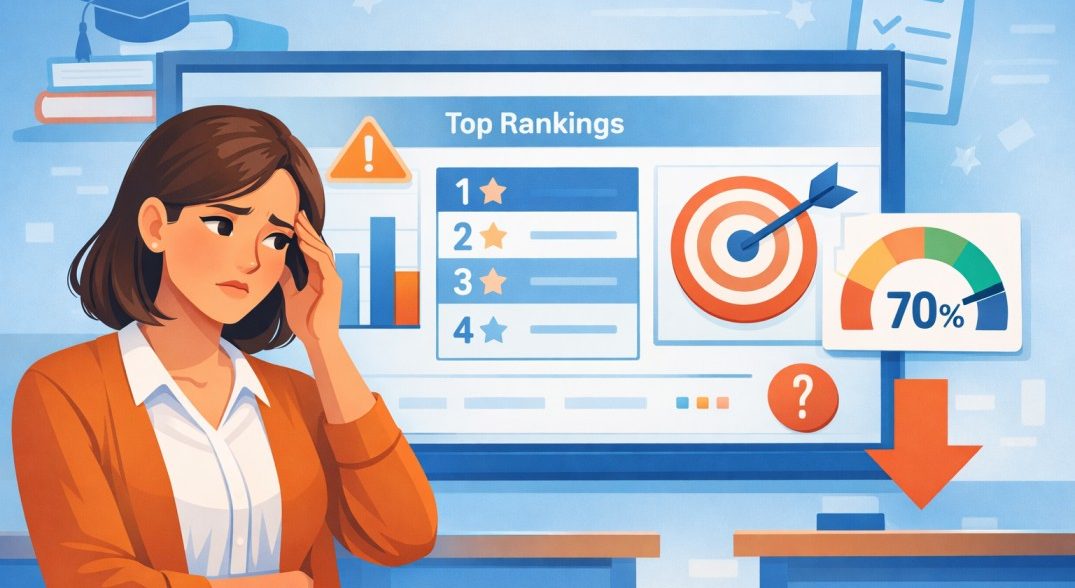
Across many Indian schools success is often measured by marks ranks and board results. Parents feel proud when report cards look strong and principals feel secure when school results improve. Yet behind this visible success another story is unfolding. Many teachers are slowly losing confidence in their own abilities. This is not because they care less or teach poorly. It is because performance driven school models place constant pressure on them in ways that quietly weaken their professional belief.
This research based article explains how such school systems affect teacher confidence and why this matters deeply for students in Classes Eight to Ten. It also shows how parents and education leaders can support healthier learning environments without reducing academic goals.
What Is a Performance Driven School Model
A performance driven school model focuses heavily on measurable outcomes. These include exam scores attendance charts rankings and comparison between sections or teachers. While tracking progress is useful problems arise when numbers become the only definition of success.
In many Indian schools teachers are expected to meet targets linked to board performance and internal test averages. This creates a situation where teaching becomes about hitting scores rather than building understanding.
- Frequent testing schedules
- Public comparison of class results
- Pressure to finish syllabus quickly
- Judging teacher quality mainly by marks
Over time this model reshapes how teachers see themselves.
How Confidence Is Slowly Eroded
Teacher confidence grows when educators feel trusted and valued for their judgment. In performance focused systems trust is replaced by constant monitoring. Teachers feel watched rather than supported.
Instead of asking what students need teachers are asked why scores are not higher. This changes the emotional meaning of their work. Teaching becomes a test of survival rather than a space for growth.
Research from organisations such as OECD Education shows that systems focused only on outcomes increase teacher stress and reduce job satisfaction. When confidence drops classroom creativity also drops.
Common Signs of Declining Teacher Confidence
- Fear of trying new teaching methods
- Over reliance on guidebooks and notes
- Avoiding difficult student questions
- Emotional distance from students
These behaviours are not laziness. They are defence responses to constant evaluation.
Why This Matters for Students in Classes Eight to Ten
Students in Classes Eight to Ten are forming their academic identity. They decide whether they are good at math science or languages. Teacher confidence plays a large role in shaping this belief.
When teachers feel unsure they rely more on rigid methods. Lessons become about finishing chapters instead of explaining concepts deeply. Students then learn to memorise instead of understand.
This directly affects career thinking. When learning feels mechanical students struggle to connect subjects with real life opportunities. This is closely linked to early career confusion as explained in this related research based article.
The Emotional Cost for Indian Educators
In India teaching is often seen as a respected profession. Many teachers join with strong motivation to shape young lives. Performance driven systems slowly replace this purpose with fear of failure.
Teachers begin to measure themselves by student marks alone. When results drop their self worth drops. This creates emotional exhaustion even on days when classes go smoothly.
Parents sometimes misunderstand this and assume teachers are not trying hard enough. In reality they are trying too hard inside a narrow system.
How Parents Can Help Restore Teacher Confidence
Parents have more influence than they realise. When parent meetings focus only on marks teachers feel judged. When parents ask about understanding and progress teachers feel respected.
- Ask how your child is learning not only what they scored
- Support teachers when children struggle
- Value effort and improvement
- Avoid comparing teachers based on results alone
This shift helps rebuild teacher confidence and improves classroom trust.
Role of Principals and Career Counsellors
School leaders shape the emotional culture of a school. When leaders reward only numbers teachers feel unsafe. When leaders reward thoughtful teaching teachers feel secure.
Career counsellors can also reduce pressure by helping students explore strengths beyond marks. Tools such as student assessments and AI based insights help schools understand students without blaming teachers.
Support systems like AI chat support and access to career experts reduce the emotional burden placed on teachers to answer every future related question alone.
Link Between Teacher Confidence and Career Awareness
Confident teachers encourage exploration. They allow questions about real world careers. They relate lessons to life outside exams. This supports healthy career thinking.
When teachers lack confidence they avoid such discussions. Students then see education as only about passing tests. Resources like career option libraries work best when teachers feel safe to guide without fear of losing academic time.
The Long Term Risk of Ignoring This Issue
If performance pressure continues unchecked schools may produce high scores but low confidence. Teachers may leave the profession or stop innovating. Students may succeed academically but feel unsure about themselves.
A system that values only numbers forgets the human side of learning. This weakens both emotional health and decision making ability in young people.
Building a Healthier Model of Success
Academic results matter but they should not be the only goal. True success includes confident teachers curious students and supportive parents.
Schools can redesign evaluation systems to include learning progress creativity and wellbeing. This protects teacher confidence and improves student motivation.
When teachers feel trusted they teach better. When they teach better students learn better. This balance benefits families and society.
Do you believe your school values learning more than marks Share this article with educators and parents and explore more research based insights to support confident teachers and motivated students.