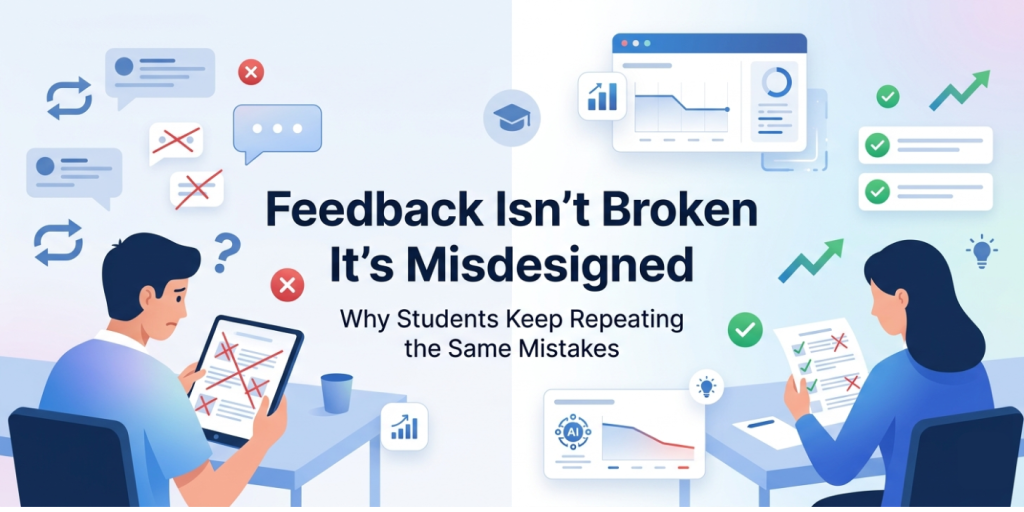
Feedback Is Not Broken It Is Mis Designed Why Students Keep Repeating the Same Mistakes
Many parents and teachers feel confused when students repeat the same mistakes even after receiving feedback multiple times. It creates frustration at home and in classrooms. Students are told to improve yet the same errors appear again in tests and assignments. This pattern is not because students are careless or unwilling to learn. The real issue lies in how feedback is designed and delivered in the education system.
This research based article explains why feedback is not broken but mis designed. It highlights system level gaps that prevent students from understanding and applying feedback effectively especially in Classes Eight to Ten which is a critical stage for academic and career development.
What Feedback Really Means in Learning
Feedback is often seen as correction. Teachers mark answers write comments and expect students to learn from those remarks. But real feedback is not just about pointing out mistakes. It is about helping students understand why the mistake happened and how to improve next time.
In many Indian schools feedback is given quickly due to time pressure. Teachers manage large classes and tight schedules. This results in short comments like revise or incorrect without deeper explanation. Students receive information but not clarity.
According to research shared by OECD Education Insights effective feedback must be specific timely and actionable. Without these elements students struggle to connect feedback with improvement.
Why Students Keep Repeating the Same Mistakes
When students repeat mistakes it is often a sign that feedback has not been absorbed properly. The issue is not effort but understanding.
- Feedback is too general and lacks clear direction
- Students do not get time to apply corrections
- Focus is on marks rather than learning
- No follow up after feedback is given
Imagine a Class Nine student who gets feedback on a math test. The teacher marks steps as wrong but does not explain the concept gap. The student studies the same way again and repeats the mistake in the next exam. This cycle continues because the root issue was never addressed.
System Level Flaws in Feedback Design
The biggest challenge is not individual teaching methods but system design. Schools focus heavily on syllabus completion and exam performance. Feedback becomes a quick process instead of a learning tool.
Here are some major design flaws that affect feedback effectiveness
One Time Feedback Without Reinforcement
Students receive feedback once but are not guided to revisit it. Without repetition and practice feedback fades quickly from memory.
Lack of Personalisation
Every student has different learning gaps but feedback is often standard for the entire class. This reduces its impact.
No Feedback Loop
Effective learning requires a loop where students apply feedback and receive further guidance. Most systems stop after the first step.
Emotional Disconnect
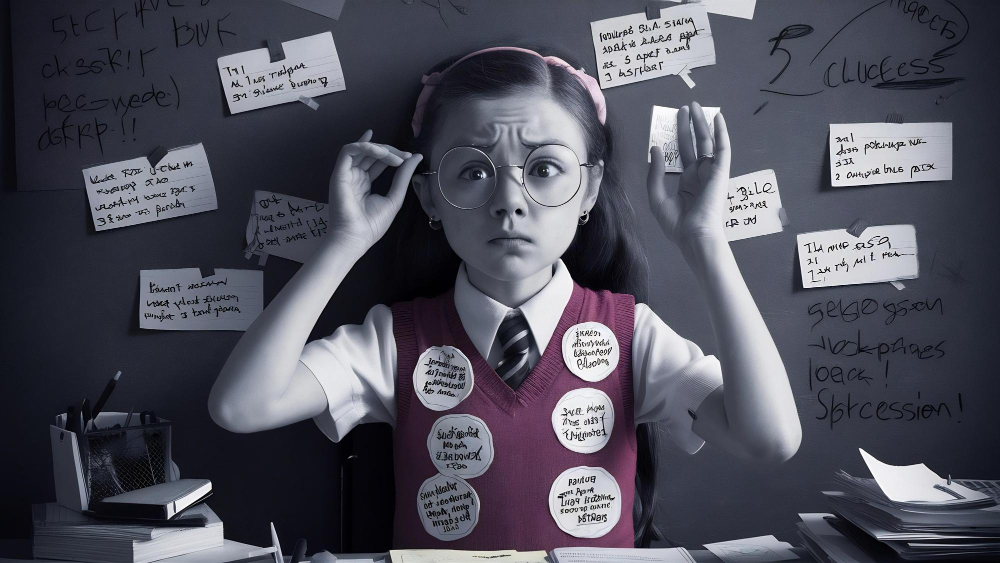
Students sometimes feel discouraged by feedback especially when it focuses only on mistakes. This reduces motivation to improve.
How This Affects Students in Classes Eight to Ten
Students in these grades are building strong academic foundations and exploring career interests. When feedback fails they start doubting their abilities.
Parents often see children losing confidence or avoiding certain subjects. Teachers notice reduced participation. This is not a lack of intelligence but a lack of clear learning direction.
If feedback does not guide improvement students rely on memorisation instead of understanding. This affects long term success especially in board exams and career decisions.
What Effective Feedback Should Look Like
To solve this issue feedback must be redesigned. It should guide action not just highlight errors.
- Explain the reason behind the mistake clearly
- Provide a simple step to improve
- Allow students to practice the correction
- Review progress after improvement
For example instead of writing incorrect answer a teacher can say your method is correct but you missed one step revise this concept and try again. This gives direction and builds confidence.
Role of Technology in Improving Feedback Systems
Modern tools can help schools redesign feedback effectively. Technology allows personalised insights and continuous tracking of student progress.
Platforms like student assessment tools provide detailed analysis of strengths and weaknesses. This helps teachers give targeted feedback instead of general comments.
Similarly AI powered insights can identify patterns in mistakes and suggest improvement strategies. This reduces teacher workload and improves accuracy.
Students can also use learning support tools to clarify doubts instantly instead of waiting for the next class.
How Parents Can Support Better Feedback Learning
Parents play a crucial role in helping children use feedback effectively. Instead of focusing only on marks they can guide children to understand mistakes.
- Ask what went wrong instead of why marks are low
- Encourage children to redo incorrect answers
- Create a habit of reviewing feedback regularly
- Appreciate effort and improvement
This approach reduces fear and builds a growth mindset in students.
How Schools and Counsellors Can Improve Systems
Principals and career counsellors can introduce structured feedback systems. This ensures consistency across subjects and classes.
Access to career experts helps students understand how learning connects to future opportunities. When students see purpose they take feedback more seriously.
Career exploration platforms like career libraries also motivate students to improve by linking academics with real world paths.
Schools can also create feedback sessions where students reflect on mistakes and plan improvement strategies. This builds independent learning skills.
Connecting Feedback with Student Performance Patterns
Students do not suddenly drop performance. It is usually a gradual process linked to repeated unresolved mistakes. Understanding this pattern is important for parents and teachers.
You can explore deeper insights on this topic in this detailed explanation of student performance patterns.
When feedback fails repeatedly small gaps turn into major learning challenges. Early intervention through better feedback design can prevent this.
A Better Way Forward for Indian Education
Feedback is one of the most powerful tools in education when designed correctly. It can build confidence improve understanding and guide students towards success.
Indian education systems are evolving with new technologies and approaches. By focusing on feedback design schools can create a more supportive and effective learning environment.
When students understand their mistakes clearly they stop repeating them. They become active learners instead of passive receivers of information.
What changes do you think can improve how feedback is given in schools Share this article with parents teachers and educators and explore more insights to support student growth and success.