

10 Skills Every Student Must Learn to Be a Game Developer 🎮
Video games have become more than just a source of entertainment. They are now a massive industry that offers exciting career opportunities. For students in Grades 8 to 10, learning the essential skills of game development early can open doors to creativity, technology, and future career success. Becoming a game developer is not only about playing games but about understanding the art, science, and logic behind them. This blog will explore the ten must learn skills for every student who dreams of creating their own games.
Why Game Development is a Great Career Path for Students
Game development combines creativity, problem solving, and technology. It allows students to design their own worlds, build stories, and apply technical knowledge in practical ways. With the growing demand for mobile and PC games, the opportunities in this field are endless. If you want to know more about career opportunities, check out our detailed article on career in indie game development.
Beyond jobs, learning game development also strengthens logical thinking, teamwork, and digital skills, which are valuable in many other careers. According to a report from Statista, the global gaming market is worth hundreds of billions of dollars, making it one of the most lucrative industries for young professionals.
Top 10 Skills Every Student Must Learn to Be a Game Developer
1. Programming Skills
The backbone of game development is programming. Students must learn coding languages such as C++, Python, or Java. Platforms like Unity and Unreal Engine also require C# and scripting knowledge. Programming allows students to bring ideas to life by controlling how characters move, how challenges appear, and how players interact with the game.
2. Creativity and Storytelling
Every great game starts with a story. Creativity helps students design unique characters, exciting plots, and engaging worlds. Storytelling makes a game memorable. For example, titles like Minecraft and Roblox have become global successes because of their creative and open-ended gameplay.
3. Problem Solving
Game developers constantly solve problems. Whether it is fixing a bug, improving gameplay, or balancing game levels, problem solving is a must-have skill. Students should practice breaking large problems into smaller tasks and thinking logically to find solutions.
4. Mathematics
Math is deeply connected with game development. Concepts like algebra, geometry, and probability are essential for graphics, physics, and character movement. Students who practice math not only improve academically but also strengthen their ability to create realistic and fun game mechanics.
5. Design and Aesthetics
Visual design plays a key role in how engaging a game feels. Students must understand color theory, design principles, and user experience. Even basic graphic design tools such as Photoshop or Blender can help them learn how to design characters, textures, and game environments. For inspiration, students can explore resources on Behance where professionals showcase their designs.
6. Collaboration and Teamwork
Most successful games are built by teams, not individuals. Learning how to collaborate with peers, share responsibilities, and respect different ideas is crucial. Team projects in school can serve as a perfect practice ground for this skill. Students should also try participating in game jams to experience real teamwork challenges.
7. Critical Thinking
Game developers must analyze player behavior and improve the gaming experience accordingly. Critical thinking allows them to ask questions like: Is this level too hard? Are the controls smooth? Does the story make sense? This skill ensures that students design games that are both fun and fair.
8. Adaptability and Continuous Learning
The gaming industry evolves quickly with new tools, software, and technologies. Students must develop the ability to adapt and learn continuously. Exploring tutorials on YouTube or platforms like Coursera can help students stay updated with trends in gaming.
9. Communication Skills
Clear communication is necessary for teamwork, pitching game ideas, and even marketing. Students must learn to express their ideas simply and confidently. This includes writing clear game design documents, discussing ideas with teammates, and even presenting their projects in school exhibitions.
10. Time Management
Creating a game is a long process with many stages, from designing characters to testing the final product. Time management helps students break projects into smaller milestones and complete them on time. Learning to balance academics with passion projects also makes them more disciplined.
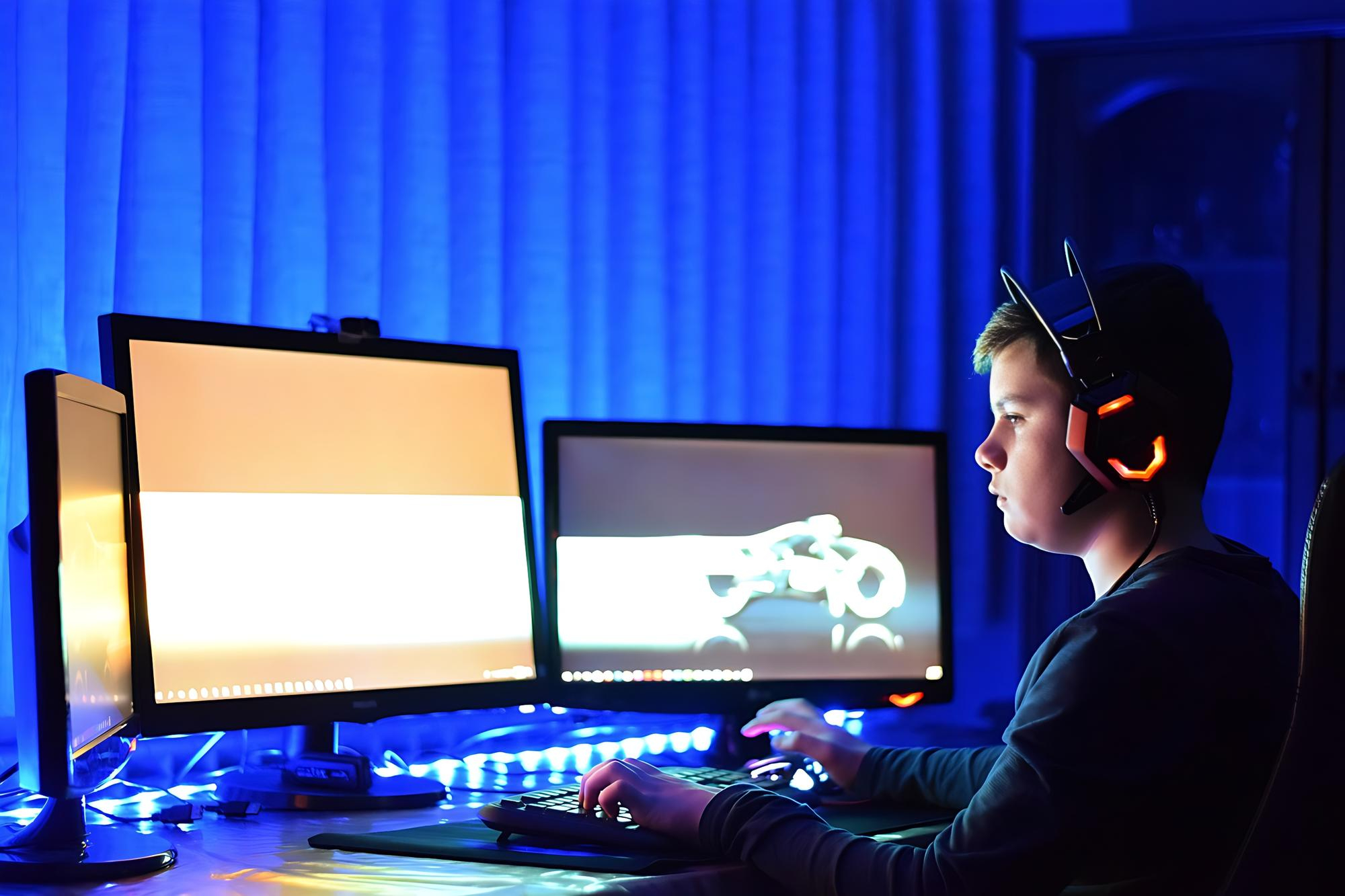
How Schools and Parents Can Support Students
Parents and teachers play an important role in supporting students who are passionate about game development. Here are some ways they can help:
- Encourage Exploration: Allow students to experiment with coding platforms, design software, and creative tools.
- Support Extracurriculars: Encourage participation in school coding clubs, art competitions, and gaming events.
- Provide Resources: Introduce books, online courses, and tutorials related to game development.
- Celebrate Efforts: Appreciate their small projects, even if they are not perfect.
Benefits of Learning Game Development Early
Students who start learning game development early enjoy many benefits:
- They gain a strong foundation in STEM subjects.
- They improve creativity, innovation, and storytelling.
- They develop teamwork and leadership qualities.
- They prepare themselves for future careers in the technology industry.
Final Thoughts
Game development is a field where imagination meets technology. For students in Grades 8 to 10, learning these ten skills can be the first step toward building an exciting career in the gaming industry. With the right support from parents, teachers, and counselors, students can turn their passion for games into a rewarding future.